Affen Tzu
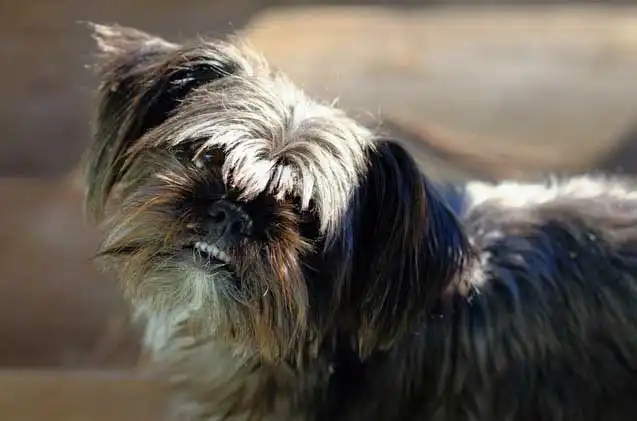
The Affen Tzu, an endearing mix of the Affenpinscher and the Shih Tzu, was created to merge the finest qualities of both breeds. This petite dog not only makes for a wonderful companion but also acts as a reliable watchdog. As a relatively recent breed, comprehensive information about the Affen Tzu is somewhat scarce. However, it is anticipated that this breed will inherit a combination of traits from its parentage, such as intelligence, sociability, and affection. Prospective owners should be ready for a considerable commitment to grooming and training, as these dogs may need significant attention. With appropriate socialization, patience, and dedication, the Affen Tzu can flourish as a cherished member of any household.
Breed Origin
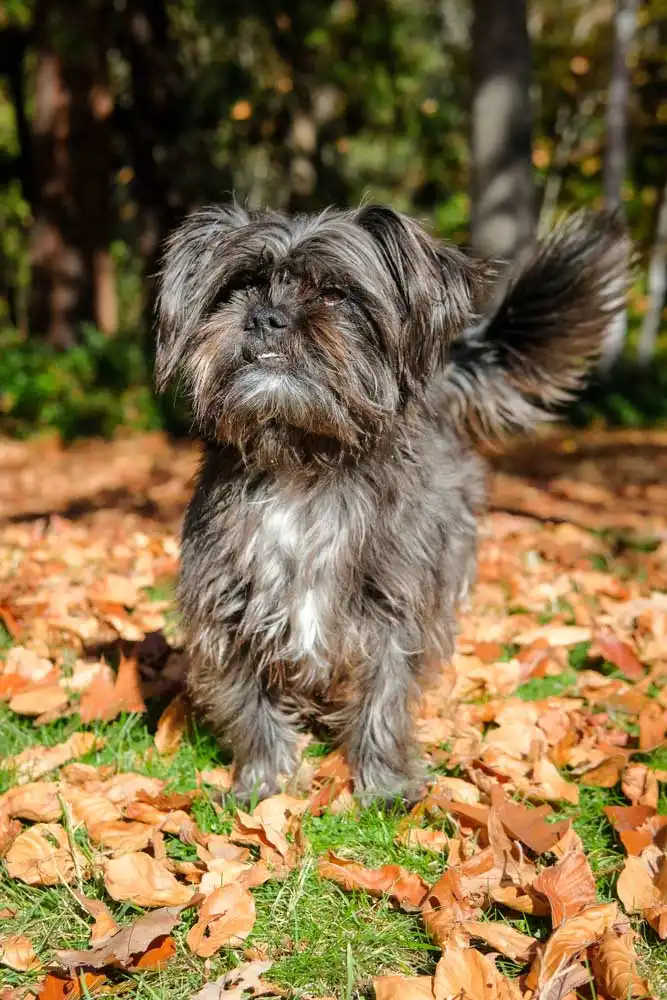
The Affen Tzu is a relatively recent hybrid breed, created by crossing the Affenpinscher with the Shih Tzu. As a new breed, detailed information about its development is still sparse. The Affenpinscher, an ancient breed with origins in Germany, has an unclear timeline regarding its inception. Originally, these dogs were utilized for catching rats and assisting on farms, but by the 18th and 19th centuries, smaller variants gained popularity as companion pets. Today, while the Affenpinscher primarily serves as a companion animal, it still possesses its original skills as a rat catcher and a devoted watchdog. Conversely, the Shih Tzu has its roots in 17th-century China, where these dogs were treasured by the royal family and were not available for sale or export until the 1930s. Recognized as one of the 14 oldest dog breeds, the Shih Tzu made its first appearance in England in 1928, when a male and female pair were brought over by the wife of the quartermaster general of the North China command. The American Kennel Club (AKC) officially recognized the Shih Tzu in 1969, following the earlier recognition of the Affenpinscher in 1936.
Breed Appearance
These dogs are classified as hybrids rather than purebreds, resulting from the crossbreeding of the Affenpinscher and the Shih Tzu. They typically have compact, square-shaped bodies that can exhibit both delicacy and strength, characterized by deep, broad chests. Their heads are round, often featuring a short muzzle with a noticeable stop, similar to that of the Shih Tzu, although some may have a longer snout akin to the Affenpinscher. The lower jaw is usually broad and undershot, with straight, even teeth that align neatly beneath the nose. Their lips and noses are generally black, enhancing their striking look. The eyes are dark, round, and well-proportioned to the face, sitting prominently. Ears can differ, being either erect like those of the Affenpinscher or floppy like the Shih Tzu. This breed is known for its soft, silky coat, which can vary from medium to long in length, with the fur around the face being particularly longer.

Care Routine
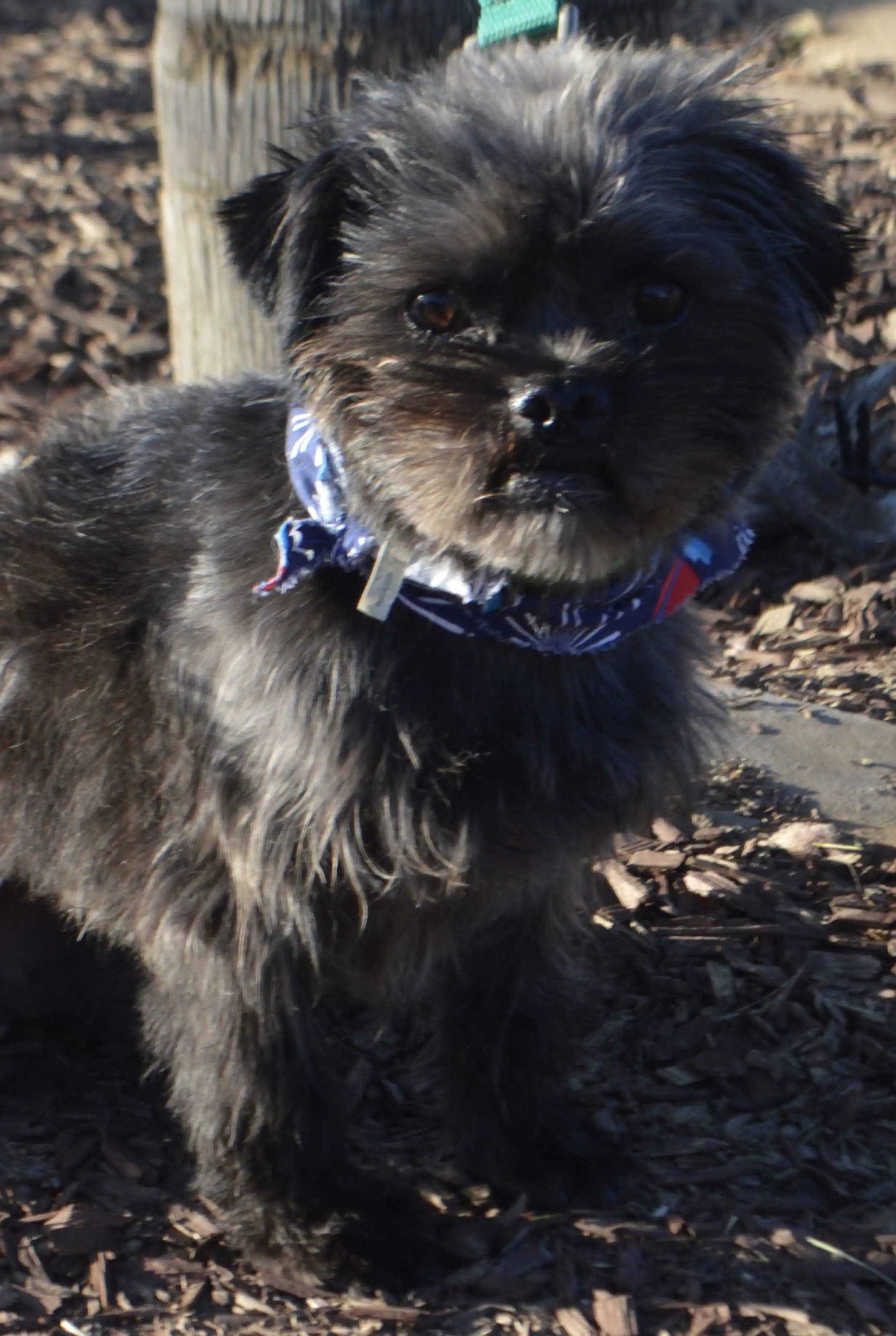
To keep their soft coat looking smooth and free of tangles, these dogs need to be brushed weekly with a rubber-bristled paddle brush. Depending on your preferences, you might find it helpful to trim their fur to make grooming easier. It's crucial to pay special attention to their ears, as this hybrid breed is prone to infections. Regularly inspect for any abnormalities and act quickly if you notice anything unusual. Furthermore, all dogs should have their teeth brushed at least once or twice a week, and their nails should be trimmed as needed, usually once or twice a month. The grooming requirements for the Affen Tzu hybrid are quite significant, akin to those of both the Affenpinscher and the Shih Tzu.
Behavior & Temperament
Hybrid dogs inherit the characteristics of their parent breeds, showcasing qualities like curiosity, affection, and a fearless nature. They might even take on larger dogs, so it's essential to keep an eye on them when they're around unfamiliar, bigger canines. Furthermore, these dogs can be territorial and protective of their food and toys, which calls for caution when they are near children, as they may not always be patient and could react defensively if someone approaches their possessions. However, with the right socialization, they can coexist harmoniously with kids and other pets. While they possess intelligence, they can also display stubbornness, making training a bit challenging. Yet, with consistent effort, they can thrive in both obedience and trick training. Potty training may take some time, but using crates and potty pads can help streamline the process. It's vital to establish yourself as the pack leader to earn their respect. Owners should adopt a firm yet rewarding approach to encourage good behavior. These dogs are affectionate and form strong bonds with their families.


Play & Exercise
This dog is highly adaptable, adjusting his energy levels to match those of his family. He is devoted to his owner and will happily accompany them wherever they venture. Most toy breeds can satisfy their exercise requirements with straightforward games in the backyard. Given his petite stature, he doesn't need large spaces to run and play. However, he flourishes with social interaction and loves playdates with other dogs or visits to the nearby dog park. To ensure his health and mental stimulation, aim to dedicate at least 30 minutes each day to activities such as playing fetch or observing him frolic in the yard.
Things to Know
Cups Per Day
1.0 Cups
Daily Activity
30 Minutes
Average Lifespan
13 Years
Origin
After 17th Century
Type
Crossbreeds
Size
Small
Origin Country
Unknown
Brush Frequency
Weekly
Coat Texture
Straight
Register
Your kids have been begging for a pet forever, and you've recently decided that it's time for your family to get a new addition -- a dog! While everyone is excited for the new arrival, you're wondering if you need to have a dog license. How much does it cost? Is it required? Where do you get one?
Member Clubs

PETINNATE
Other
Height & Weight
Weight
12 lbs (5 kg)Male: 12 lbs (5 kg) , Female: 12 lbs (5 kg)
Height
9 inches (23 sm)Male: 9 inches (23 sm) , Female: 9 inches (23 sm)
6 Months
6 lbs ( m 6 lbs, f 6 lbs )
6 inches ( m 6 inches, f 6 inches )
12 Months
10 lbs ( m 10 lbs, f 10 lbs )
9 inches ( m 9 inches, f 9 inches )
18 Months
11 lbs ( m 11 lbs, f 11 lbs )
9 inches ( m 9 inches, f 9 inches )
Eye Colors
Brown

Nose Colors
Black
Brown
Coat Colors
White
Brindle
Red
Brown
Gray
Black