Affenpug
The Affenpug is a charming hybrid breed created by intentionally crossing the Affenpinscher with the Pug. As a designer breed, it embodies a distinctive mix of traits from both parent breeds, resulting in a spirited personality and undeniable appeal. Often categorized as hybrids, designer breeds are a relatively recent addition to the dog world, leading to intriguing combinations of established breeds. Affenpugs are characterized by their curiosity, intelligence, and occasional stubbornness, but they typically learn quickly and respond well to training. This breed is also known for its affectionate nature, thriving on quality time spent with their owners. However, prospective owners should note that the Affenpinscher lineage may display food aggression, which could make the Affenpug less ideal for families with young children. Additionally, their coat, which can be rough and wiry, necessitates regular grooming; owners should be prepared to brush and comb their Affenpug several times a week to keep it looking its best.
Breed Origin
The Affenpug is a relatively recent dog breed with sparse historical records. In contrast, its ancestral breed, the Pug, has a storied history that dates back to 400 B.C. in China. Originally, Pugs were bred as companions for nobility and were kept under strict protection; they also provided companionship to Tibetan Buddhist monks. As time passed, Pugs became increasingly popular in European royal courts. A significant moment in their history occurred in 1572 when a courageous Pug named Pompey alerted Prince William to an assassination attempt outside his tent, leading to the breed being named the official dog of the House of Orange. In the 1800s, another valiant Pug, owned by Josephine, the wife of Napoleon, played a vital role in communication by carrying messages to her husband in his collar, enabling her to maintain contact while imprisoned. Pugs made their debut in the United States during the 19th century, with the American Kennel Club recognizing the breed in 1885. A notable achievement occurred in 1981 when a Pug named Dhandys Favorite Woodchuck won at the Westminster Kennel Club Dog Show, followed by another Pug, Lodi, who claimed Best of Breed at the same prestigious event in 2011. Conversely, the Affenpinscher is a toy breed that originated in Germany. Initially, these dogs were medium-sized farm or store canines, employed for hunting rodents. In the 18th and 19th centuries, Affenpinschers were crossbred with Pugs, Smooth Haired German Pinschers, and Silky Pinschers to create a smaller companion breed. The first Affenpinschers arrived in the United States in 1935, brought by a breeder named Mrs. Bessie Mally from Illinois. They were transported by steamship from Germany to New York and then traveled by train to Chicago. The American Kennel Club officially recognized the Affenpinscher in 1936. A decade later, in 2013, a ten-year-old Affenpinscher named GCH Banana Joe V Tani Kazari won Best of Show at the Westminster Dog Show.
Breed Appearance
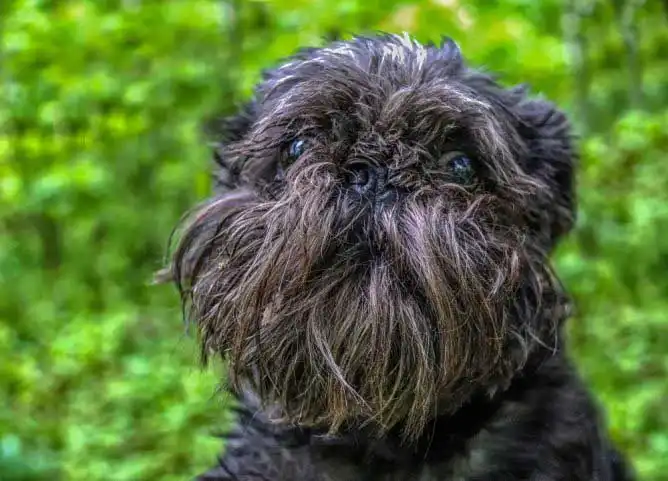
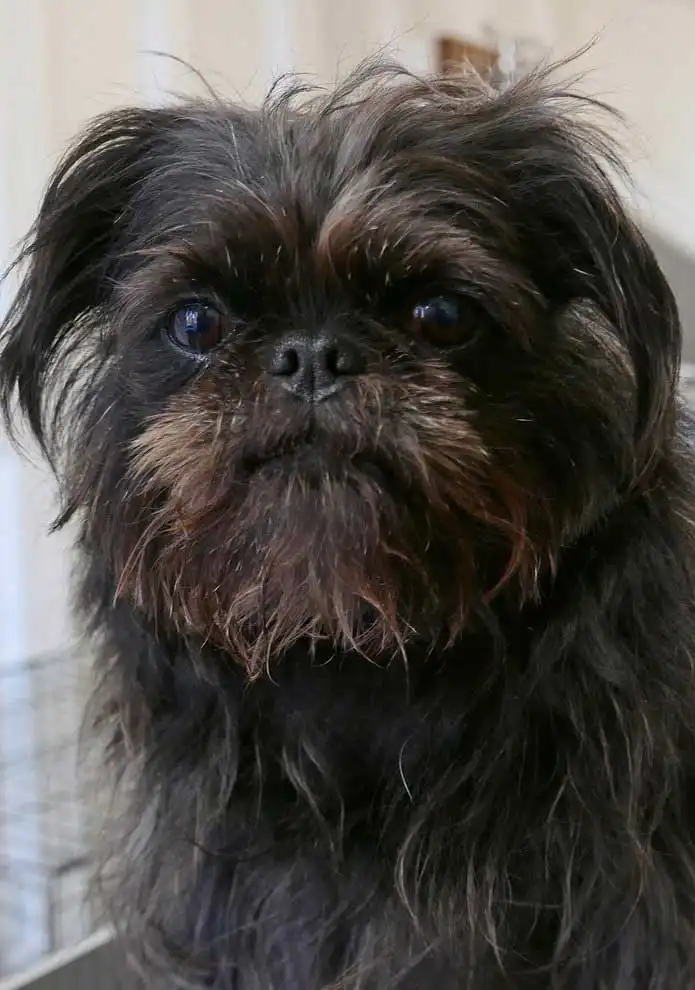
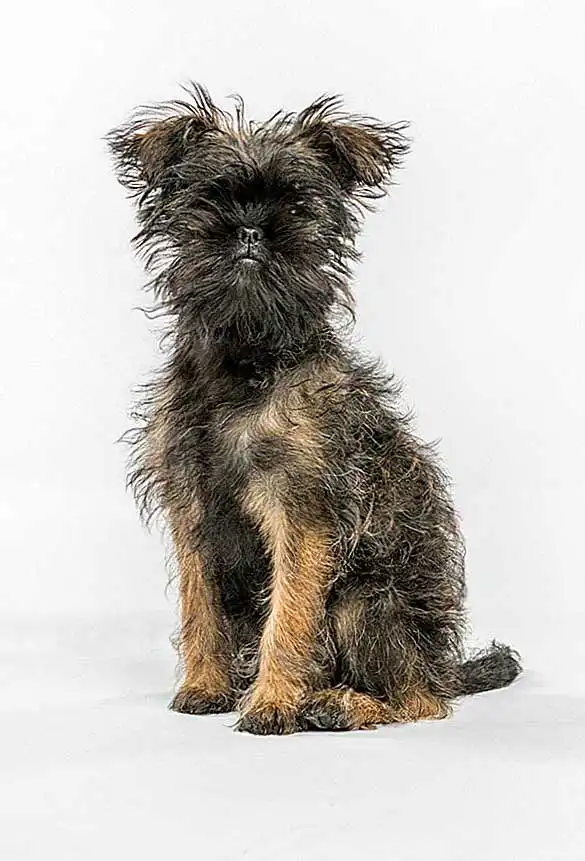
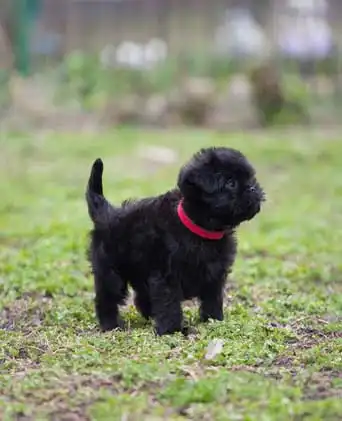
The Affenpug is a mixed breed that emerges from the combination of a Pug and an Affenpinscher, showcasing a blend of characteristics from both parent breeds. Both the Pug and the Affenpinscher belong to the brachycephalic category, known for their distinctive short heads and flat faces. As a result, an Affenpug is likely to have an endearing, flattened face. In contrast to the Pug's sleek coat, the Affenpug may exhibit longer, coarser, and wiry fur, reflecting some of the texture found in the Affenpinscher. Typically, its eyes and nose will be dark. While the Pug has a small, curled tail and the Affenpinscher sports a longer tail, the Affenpug may possess a medium-length curly tail. Additionally, its ears are likely to be floppy.
Care Routine
The Affenpug demands consistent grooming, which includes brushing and combing several times each week. You may also need to clip their fur on a monthly basis. It's important to regularly trim the hair around their eyes to prevent irritation. Nail trimming should be done once a month; if you're unsure about doing it yourself, a professional groomer or veterinarian can help. The breed's floppy ears require weekly cleaning with an ear wash recommended by your vet. Additionally, a bath once a month might be necessary. If your Affenpug sports a mustache, be sure to wipe it clean after meals to avoid the buildup of food and dirt. Daily care of their facial folds is crucial, and brushing their teeth at least once a week is essential to prevent tartar accumulation.
Behavior & Temperament
The unique personality of your hybrid, resulting from the combination of a Pug and an Affenpinscher, will develop distinctly as it matures. Pugs are celebrated for their delightful temperament, intelligence, and gentle disposition, typically exhibiting little aggression. They thrive on love and attention, although their inclination towards a sedentary lifestyle can contribute to weight issues. Generally robust, Pugs usually get along well with other dogs and children. In contrast, the Affenpinscher, often dubbed the “mustachioed devil,” is an energetic and spirited breed. While they possess intelligence, they can also be quite headstrong. This toy breed is known for its curiosity, affection, and unwavering loyalty to their owners, often displaying courage even when faced with larger dogs. They are alert and serve as excellent watchdogs, but their territorial nature and potential for food-related aggression may make them less suitable for households with small children.
Play & Exercise
Both the Affenpinscher and the Pug are known for their territorial instincts and can be quite vocal when strangers approach. If you're looking for ways to keep your dog entertained, it's best to avoid dog parks frequented by larger breeds, as they may not take kindly to a small dog acting possessively. Instead, consider taking extended walks in your neighborhood or allowing your dog to romp in a large, secure backyard to keep them active. To effectively wear them out, aim for at least 30 minutes of energetic play. Participating in dog sports such as agility or rally can also be a fantastic way to enhance your connection while providing your dog with the physical stimulation they need.
Things to Know
Cups Per Day
1.0 Cups
Daily Activity
30 Minutes
Average Lifespan
14 Years
Origin
Unknown
Type
Crossbreeds
Size
Small
Origin Country
United States
Brush Frequency
Weekly
Coat Texture
Wiry
Register
Your kids have been begging for a pet forever, and you've recently decided that it's time for your family to get a new addition -- a dog! While everyone is excited for the new arrival, you're wondering if you need to have a dog license. How much does it cost? Is it required? Where do you get one?
Member Clubs

PETINNATE
Other
Height & Weight
Weight
13 lbs (6 kg)Male: 13 lbs (6 kg) , Female: 13 lbs (6 kg)
Height
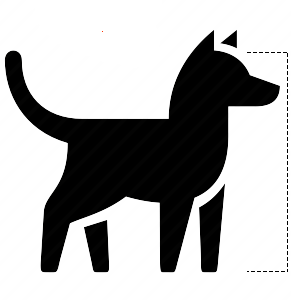
11 inches (28 sm)Male: 11 inches (28 sm) , Female: 11 inches (28 sm)
6 Months
6 lbs ( m 6 lbs, f 6 lbs )
5 inches ( m 5 inches, f 5 inches )
12 Months
11 lbs ( m 11 lbs, f 11 lbs )
10 inches ( m 10 inches, f 10 inches )
18 Months
12 lbs ( m 12 lbs, f 12 lbs )
10 inches ( m 10 inches, f 10 inches )
Eye Colors
Brown

Nose Colors
Black
Coat Colors
Sable
Fawn
Red