Afghan Retriever
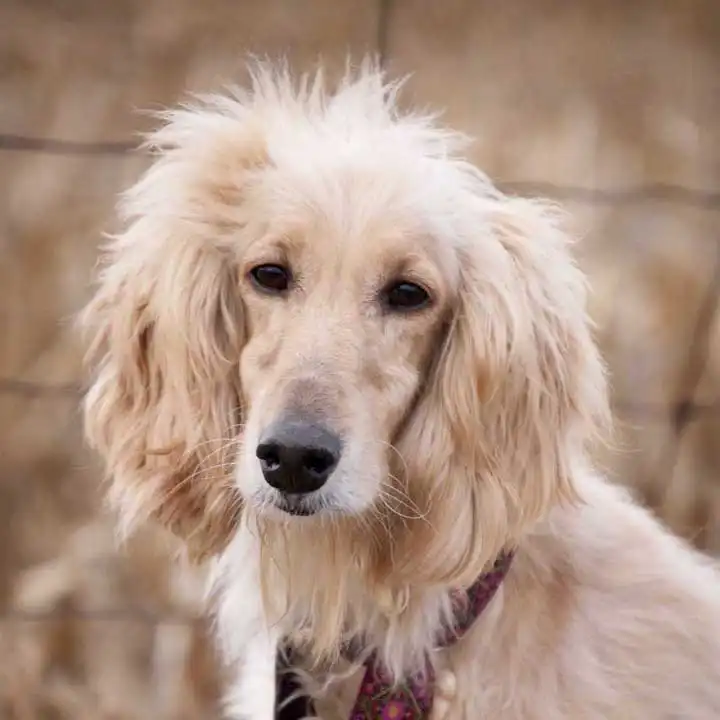
The Afghan Retriever is a large breed known for its luxurious, flowing coat, long droopy ears, and a physique that combines strength with agility. This breed resembles a more compact version of the Golden Retriever. Both are renowned for their exceptional hunting abilities, which is why they are often utilized in this role. Afghan Retrievers are energetic and lively, making them well-suited for hunting, yet they are also gentle and friendly, allowing them to flourish as family companions. They exhibit a unique mix of independence and affection, demonstrating both intelligence and a playful demeanor. While they typically get along well with children and other pets, it is wise to supervise them around kids under five. Their coat colors can range from yellow, cream, and gold to white and chocolate.
Breed Origin
The Afghan Retriever, being a relatively recent breed, does not have a thoroughly documented history. However, exploring the histories of its parent breeds can shed light on its characteristics. The Afghan Hound, an ancient breed from Afghanistan, was originally found roaming the country's mountainous terrains. These graceful and independent dogs were eventually discovered and brought into urban areas, where they were used to hunt rabbits and gazelles for food. In the 1920s, the Afghan Hound was introduced to the United States, primarily among the wealthy. It received official recognition from the American Kennel Club (AKC) in 1926 and enjoyed a period of fame as a show dog, although its popularity declined in the 1950s. In contrast, the Golden Retriever traces its origins to early 19th century England, with its lineage meticulously recorded by Lord Tweedmouth on his estate alongside Sir Dudley Majoribanks. Known for their outstanding retrieving abilities, Golden Retrievers excel in hunting, field trials, and obedience training, and they are often trained as guide dogs for the visually impaired. Remarkably, the first three dogs to achieve obedience champion titles were all Golden Retrievers. This breed was brought to the United States in 1900 by the sons of Lord Tweedmouth, who introduced them to their family farm in Texas. They quickly became popular as both show dogs and cherished pets, receiving AKC registration in 1925. Today, they rank as the third most popular dog breed in the country, while the Afghan Hound is positioned at 113th. Their quick learning capabilities have made them essential as therapy, guide, and service dogs, as well as in narcotics detection.
Breed Appearance
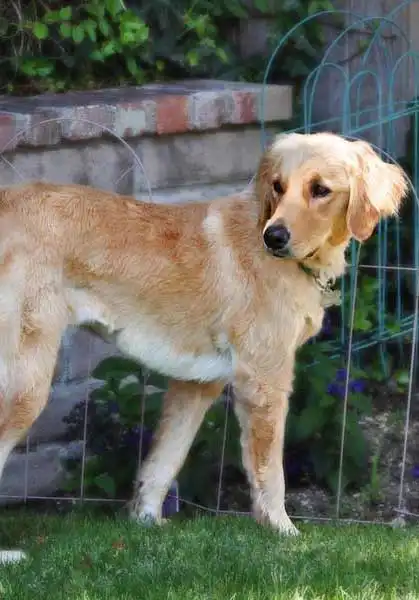
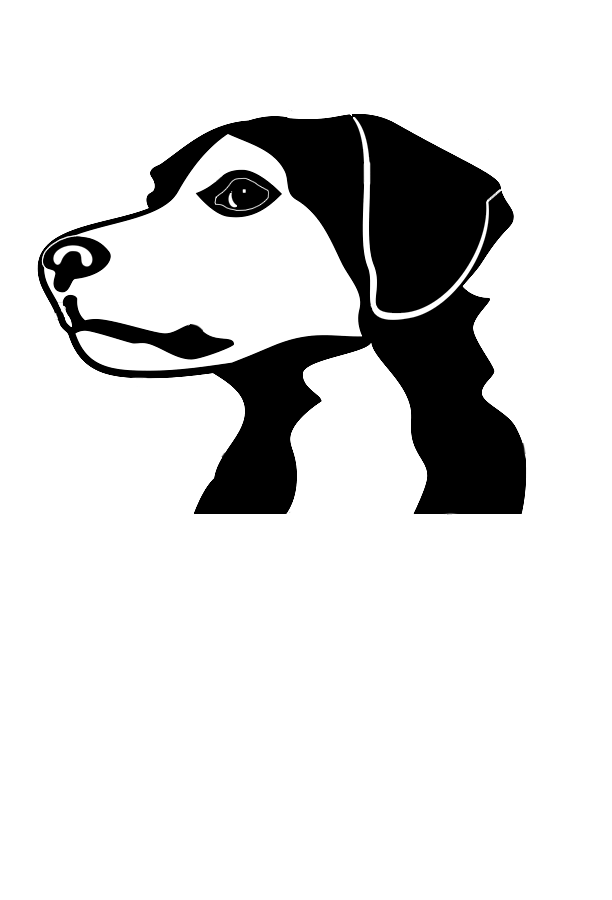
The Afghan Retriever bears a closer resemblance to a smaller Golden Retriever than to an Afghan Hound. Nevertheless, it does possess certain characteristics of the Afghan Hound, including its elongated snout, fluffy ears, long legs, and a lean yet muscular build. The Afghan Hound is known for its small brown eyes and sharp expression. This breed can stand up to 27 inches tall and weigh as much as 65 pounds, featuring a sturdy frame, large paw pads, and a long neck. In contrast, the Golden Retriever has a more robust physique, characterized by a stocky body, broad head, square muzzle, and medium-sized brown eyes. The Afghan Retriever is expected to inherit traits from both parent breeds, although it may show a stronger resemblance to one over the other. Due to the genetic variability typical of hybrid breeds, accurately predicting the Afghan Retriever's appearance can be quite difficult.

Care Routine
The Afghan Hound is recognized for its hypoallergenic qualities, whereas the Golden Retriever typically experiences moderate shedding, especially during the warmer seasons. To keep your Afghan Retriever's skin healthy and to avoid matting, it is recommended to brush them at least every other day. These grooming sessions should also include checking and cleaning their ears and eyes for any signs of irritation or swelling. Many owners of both breeds choose to have their dogs professionally groomed every few months, which is particularly advantageous in hotter climates. If professional grooming isn't an option, you can bathe your dog with a mild shampoo as needed and make sure to regularly trim their nails.
Behavior & Temperament
The Golden Retriever is widely celebrated as one of the most family-friendly dog breeds, which plays a significant role in its widespread appeal. This breed is particularly known for its harmonious interactions with other animals and its reliability around children of all ages, a trait rooted in its background as a caretaker and guide dog. On the other hand, the Afghan Hound is often characterized by a stubborn nature, which can make training more difficult compared to other breeds. However, with consistent training and positive reinforcement, you can effectively teach your Afghan Hound to obey commands, as they are quite intelligent. The Golden Retriever's lineage fosters a strong eagerness to please and a natural ability to follow instructions.
Play & Exercise
The Golden Retriever is often seen as the quintessential family dog, celebrated for its amiable nature. On the other hand, the Afghan Hound, while typically serene, can sometimes display a willful attitude. A crossbreed of these two canines might inherit the easygoing nature of the Golden Retriever or the Afghan Hound's seemingly carefree personality. Whichever traits dominate, this mixed breed will require consistent exercise and mental engagement to remain fit and alert. Be prepared to invest at least an hour each day in stimulating activities, which could include playing, visiting a dog park, or training for various canine sports such as agility, rally, obedience, or flyball.
Things to Know
Cups Per Day
3.0 Cups
Daily Activity
60 Minutes
Average Lifespan
12 Years
Origin
Unknown
Type
Crossbreeds
Size
Large
Origin Country
United States
Brush Frequency
Weekly
Coat Texture
Straight
Register
Your kids have been begging for a pet forever, and you've recently decided that it's time for your family to get a new addition -- a dog! While everyone is excited for the new arrival, you're wondering if you need to have a dog license. How much does it cost? Is it required? Where do you get one?
Member Clubs

PETINNATE
Other
Height & Weight
Weight
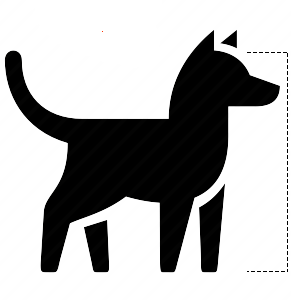
61 lbs (28 kg)Male: 63 lbs (29 kg) , Female: 60 lbs (27 kg)
Height
26 inches (66 sm)Male: 27 inches (69 sm) , Female: 25 inches (64 sm)
6 Months
28 lbs ( m 28 lbs, f 28 lbs )
20 inches ( m 20 inches, f 20 inches )
12 Months
50 lbs ( m 50 lbs, f 50 lbs )
22 inches ( m 22 inches, f 22 inches )
18 Months
60 lbs ( m 60 lbs, f 60 lbs )
24 inches ( m 24 inches, f 24 inches )
Eye Colors
Brown

Nose Colors
Black
Coat Colors
Fawn
Cream
Red
Brown
Black