Aidi (Atlas Mountain Dog)
Atlas Mountain Dog, Atlas Sheepdog, Berber, Chien de l’Atlas, Chien de Montagne de l'Atlas, Kabyle Dog, Atlas-Schäferhund, Ouled Nail, Shawia
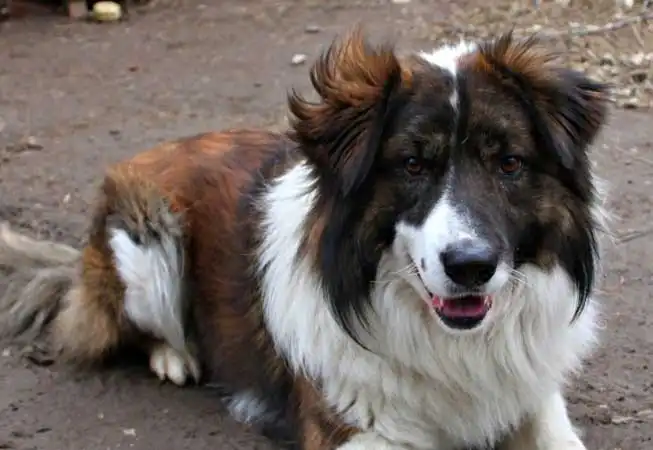
The Aidi, one of the oldest dog breeds to be formally developed, is a gentle working dog with a rich heritage in Northern Africa, where it was initially bred for hunting and protection. While these dogs are quite common in Morocco, they are relatively rare elsewhere and have not gained the same level of popularity as many other breeds. Interestingly, despite their origins in a hot and dry climate, Aidis possess a surprisingly thick and long coat that shields them from severe weather and potential dangers, similar to that of a sheepdog. Renowned for their loyalty, energy, and alertness, Aidis take their responsibilities as watchdogs very seriously. Consequently, early training and socialization are essential to ensure they can live harmoniously with other people and pets, as they tend to be quite protective of their families. Nevertheless, they are also friendly and affectionate, making them wonderful companions. Their high intelligence typically makes them easy to train, which further enhances their roles as both pets and working dogs. It’s worth mentioning that Aidis can be somewhat sensitive, so training approaches that emphasize positive reinforcement are generally more effective than punitive methods. Given their energetic disposition and historical background, Aidis flourish best in homes with plenty of space to run and an active family that regularly interacts with them.
Breed Origin
While the Aidi is mainly linked to Morocco, where it has a substantial population, its origins are believed to extend back to the Eastern Mediterranean coast. This breed likely made its way westward alongside the Phoenicians, an ancient civilization that flourished from 1550 BC to 300 BC, known for their development and trade of various dog breeds. Some hypotheses propose that the Aidi may have emerged in the Atlas Mountains, which stretch across modern-day Morocco, Algeria, and Tunisia, potentially as a descendant of the Great Pyrenees. Another theory suggests that their distribution was shaped by their ties to the nomadic Berber tribes that traversed much of Northern Africa, or possibly a mix of these influences. Regardless of their beginnings, the Aidi has been woven into the fabric of the region's history for centuries, primarily tasked with protecting families and livestock from jackals and other dangers. In more recent times, especially in Morocco, they have been paired with the Sloughi, a sleek and agile sighthound, as the Aidi's sharp sense of smell enhances the Sloughi's remarkable sight and speed, forming a highly effective hunting duo. Over the years, the Aidi has also earned a reputation as a delightful companion dog, celebrated for its intelligence, affectionate nature, and loyalty, making it a popular choice among families in the region.
Breed Appearance
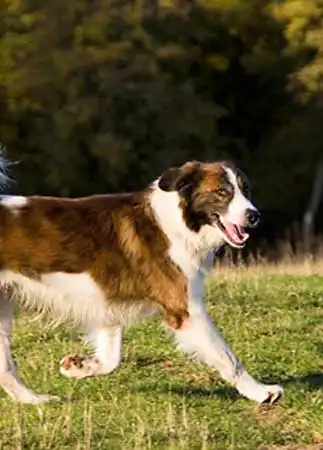
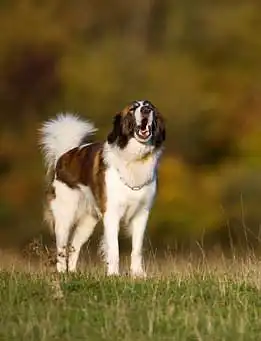
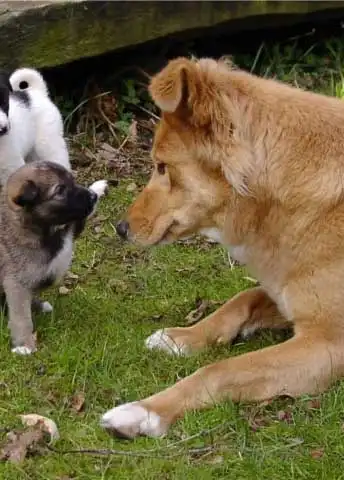
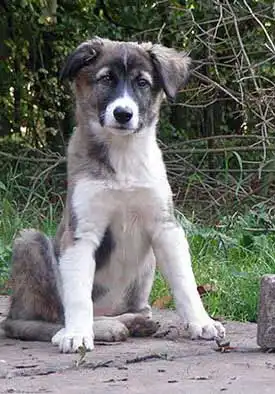
The Aidi is a medium-sized dog breed, generally standing between 20 and 24 inches tall and weighing approximately 50 to 55 pounds. This breed is distinguished by its thick double coat, which offers insulation against severe weather and safeguards against predators. Its head is bear-like, featuring a tapered muzzle and a notable mane that runs from the ears down the neck. The Aidi's ears can be either folded or partially erect, often obscured by their longer fur, while their dark, elongated eyes resemble those of humans. The breed is well-balanced, exhibiting a muscular structure in both the chest and legs beneath their dense fur, and when properly groomed, they reveal an unexpectedly athletic build. Their coat comes in a variety of colors, such as black, white, tawny, brown, pale red, and brindle, with the longest fur typically found around the hindquarters and tail, enhancing their overall bushy look.

Care Routine
Despite the Aidi's long and dense fur, caring for it is quite manageable. This breed sheds moderately, with shedding levels typically increasing during specific seasons. To avoid matting and tangling while controlling loose hair, brushing them with a good quality pin brush twice a week is usually adequate. However, during heavy shedding times, daily brushing is advisable for their comfort. Their coat is resistant to various weather conditions, so they only need occasional baths; frequent washing can remove vital natural oils. Given their size and dietary requirements, it's recommended that owners brush their teeth twice a week and keep their nails trimmed to prevent cracking or breaking. While their grooming needs are not particularly high-maintenance, many owners choose to use professional grooming services to keep their coat clean and well-groomed. Fortunately, the Aidi is considered one of the healthiest dog breeds, requiring little attention in terms of health care.
Behavior & Temperament
Aidis are well-known for their profound affection and steadfast loyalty, traits that have shaped their development as companion animals, often overshadowing their traditional roles as protectors and herders. These dogs are highly intelligent and respond effectively to training, but they tend to be more sensitive compared to many other breeds. This sensitivity requires that they receive plenty of attention and emphasizes the importance of positive reinforcement over punitive training methods. Their instinct to protect drives them to go to great lengths to safeguard their families, which can result in a cautious attitude towards unfamiliar dogs, animals, and people. Consequently, early training and socialization are vital for nurturing positive interactions with others. As energetic dogs, Aidis flourish in active environments with ample space and owners who can engage them in stimulating activities or provide regular interaction. They need a strong leader who can maintain consistent authority. If left alone for long periods, especially in confined areas, they may become bored and frustrated, potentially leading to destructive behaviors or excessive barking. To ensure a rewarding and healthy life for both the dog and its owner, it is crucial to offer sufficient mental and physical engagement.
Play & Exercise
Originally developed for work in vast spaces, this breed needs plenty of exercise to stay happy and healthy. Owners should ensure they have a large area to explore or participate in regular physical activities with them. Typically, a weekly routine of 10 to 12 miles of walking or running, along with an extra 45 minutes of play or exercise each day, is sufficient. Due to their strong work ethic, these dogs also benefit from mental stimulation to prevent boredom. Engaging them in problem-solving activities, such as fetch games that allow them to burn off energy while concentrating on a specific target, as well as training exercises, can greatly enhance their overall well-being and encourage positive behavior.
Things to Know
Cups Per Day
2.0 Cups
Daily Activity
45 Minutes
Average Lifespan
11 Years
Origin
Unknown
Type
Pure Breeds
Size
Medium
Origin Country
Atlas Mountains
Brush Frequency
Daily
Coat Texture
Wiry
Register
Your kids have been begging for a pet forever, and you've recently decided that it's time for your family to get a new addition -- a dog! While everyone is excited for the new arrival, you're wondering if you need to have a dog license. How much does it cost? Is it required? Where do you get one?
Member Clubs

PETINNATE
Guardian Dog

UKC
Guardian Dog
Height & Weight
Weight
53 lbs (24 kg)Male: 53 lbs (24 kg) , Female: 53 lbs (24 kg)
Height
22 inches (56 sm)Male: 22 inches (56 sm) , Female: 22 inches (56 sm)
6 Months
37 lbs ( m 37 lbs, f 37 lbs )
15 inches ( m 15 inches, f 15 inches )
12 Months
45 lbs ( m 45 lbs, f 45 lbs )
18 inches ( m 18 inches, f 18 inches )
18 Months
52 lbs ( m 52 lbs, f 52 lbs )
22 inches ( m 22 inches, f 22 inches )
Eye Colors
Brown

Amber
Nose Colors
Black
Brown
Coat Colors
Brindle
Fawn
Red
Brown
White
Black