Alentejo Mastiff
Alentejo Mastiff, Portuguese Watchdog, Portuguese Mastiff, Mutt of Alentejo
The Rafeiro Do Alentejo is a large breed that bears a resemblance to a mastiff, distinguished by its strong, bear-like head. This breed is quite powerful and is not ideal for inexperienced dog owners. If not properly socialized, it may display aggressive tendencies and pose risks. Known for its independence and stubborn nature, the Rafeiro Do Alentejo requires consistent training throughout its life to grasp its place within the family dynamic. As a territorial breed, it will protect its home and loved ones when it senses a threat. Nevertheless, with appropriate training, socialization, and clear boundaries, it can flourish as a family companion, especially with children who show it respect and understanding.
Breed Origin
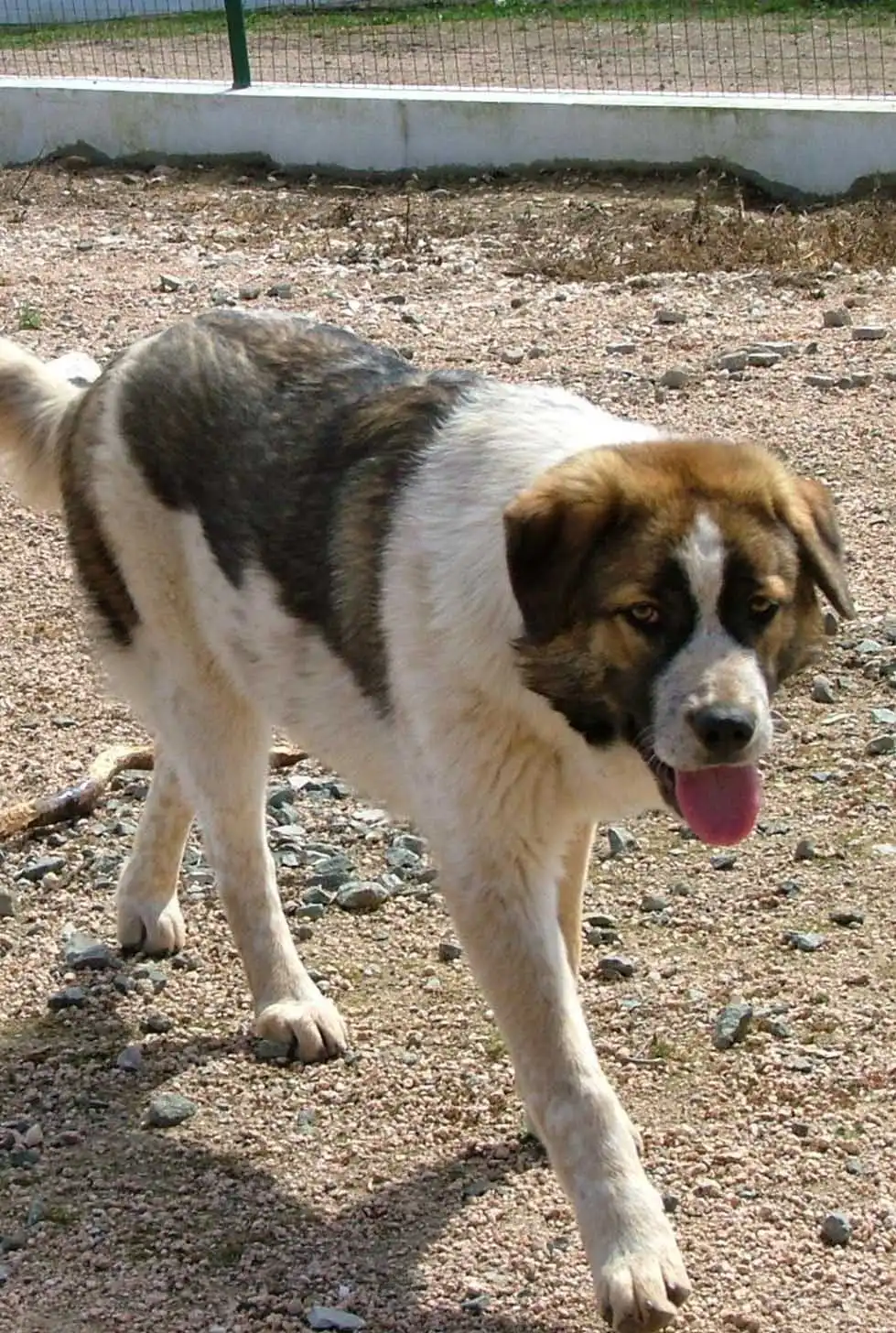
The origins of the Rafeiro Do Alentejo are steeped in mystery. Many believe that this breed can be traced back to the ancient large dogs of Tibet, which have been around for thousands of years. Some theories propose that these early ancestors migrated westward into Asia Minor, moving through the Balkans alongside Roman armies. As time passed, the Rafeiro Do Alentejo developed unique physical and behavioral traits that varied across different regions. This breed became a powerful protector of livestock, courageously safeguarding sheep and cattle from both predators and thieves. Historians suggest that the breed's development was influenced by the introduction of bloodlines from the Anatolian Shepherd and the Spanish Mastiff, resulting in a smart and territorial dog. In Portugal, the necessity of moving cattle throughout the year in search of better grazing and warmer climates meant that the Rafeiro Do Alentejo often accompanied herds from one pasture to another. For centuries, these dogs adapted to a nomadic lifestyle between the Douro and Alentejo regions. As ranchers began to settle permanently, the Rafeiro Do Alentejo remained in the southern regions, taking on the additional role of guarding expansive rural estates. In the early 1950s, Antonio Cabral and Filipe Romeiras took an interest in these remarkable dogs and worked together to establish the first official breed standard. However, the breed experienced a decline during the 1960s and 1970s, coming perilously close to extinction by the 1980s. Thanks to the commitment of a dedicated group of breeders in Portugal, the Rafeiro Do Alentejo began to recover. Although still considered rare, its population is increasing. The breed has started to gain recognition in the United States, and in 2006, it was acknowledged by the United Kennel Club, though it has not yet received official recognition from the American Kennel Club.
Breed Appearance
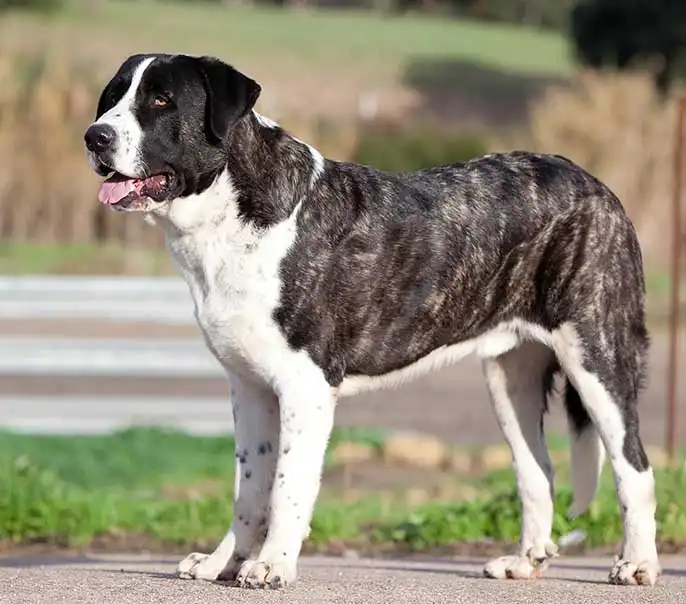
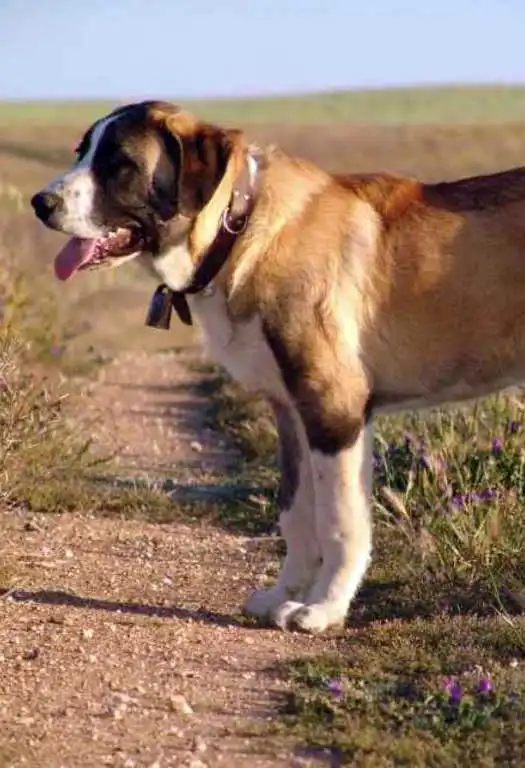
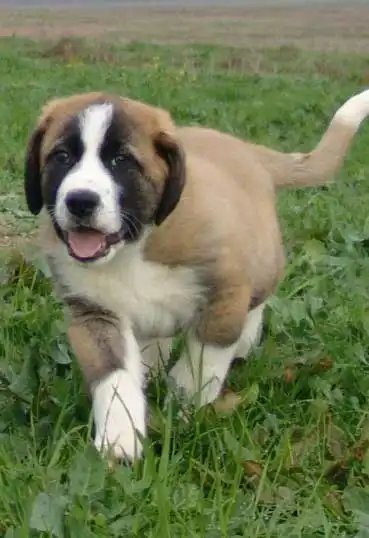
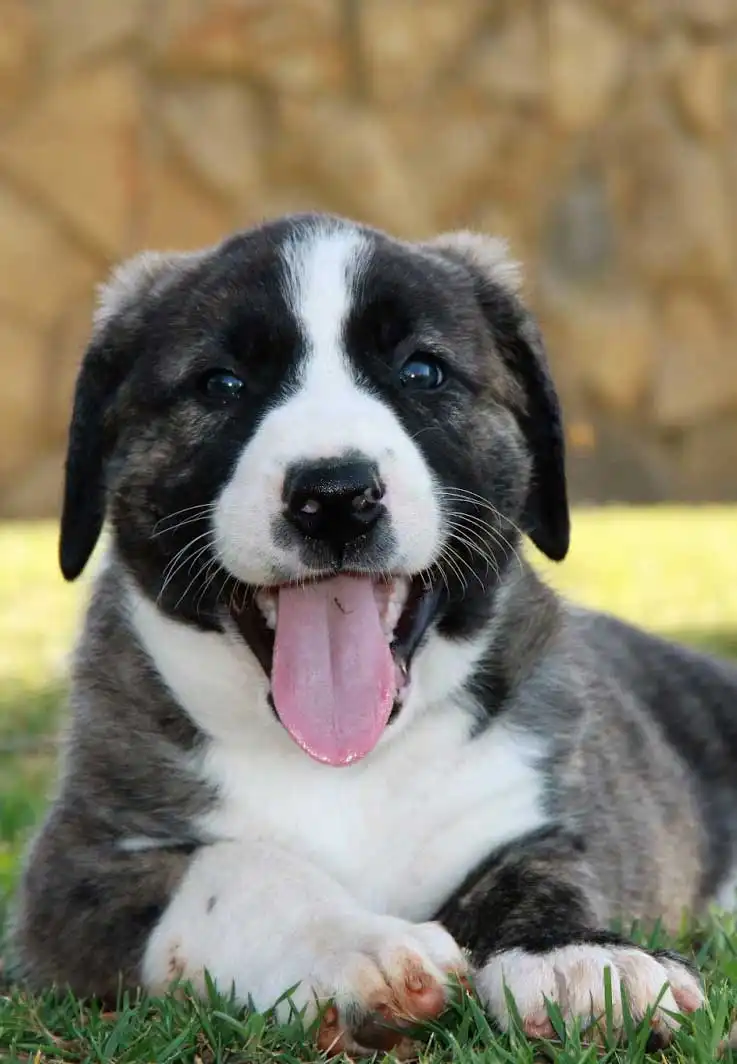
The Rafeiro Do Alentejo is distinguished by its notably wide head and rounded skull, creating a commanding presence. Its dark brown eyes are highly expressive, enhancing its charm. The breed has small to medium-sized triangular ears with rounded tips that hang just below the eyes. Ideally, the nose, eye rims, and lips should be black, as any lighter pigmentation is deemed undesirable. This dog has a short neck and a strong, muscular build, supported by thick, sturdy legs and substantial bones. Its long tail, which has a slight curve, aligns with the spine and should rest between the hocks without touching the ground. Males tend to be larger and more robust than females. The Rafeiro Do Alentejo features a dense coat, with a harsher, medium-length topcoat that is straight, contrasting with a softer undercoat. This breed comes in a variety of colors, including black, fawn, brindle, yellow, or grey, and may also display a white spotted pattern on its coat.
Care Routine
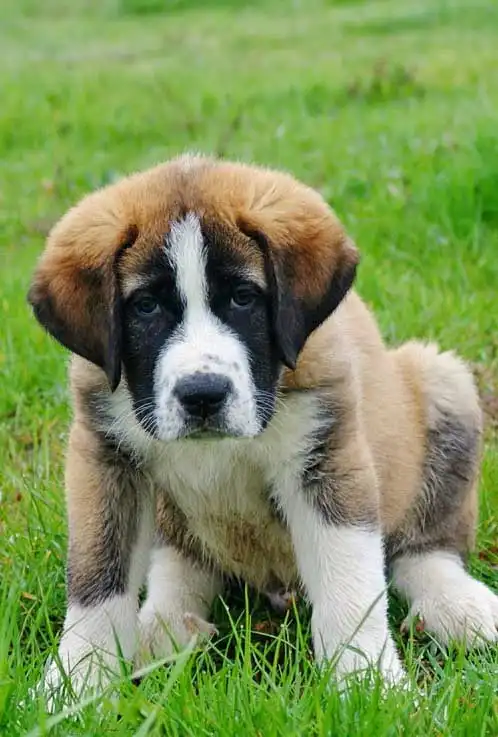
The Rafeiro Do Alentejo is characterized by its double coat, yet it is considered a breed that requires minimal grooming. Typically, this dog only needs to be brushed once a week, except during its biannual shedding phases. For Rafeiro Do Alentejo dogs that work with livestock in the fields, frequent brushing may not be necessary. Conversely, those being readied for conformation shows should be brushed weekly to keep their coat in optimal condition. During shedding periods, daily brushing becomes crucial to effectively remove the undercoat. Utilizing grooming tools like a pin brush, metal comb, and deshedder can greatly assist in this process. Bathing is generally infrequent, usually occurring just twice a year during peak shedding times. However, dogs involved in conformation shows will require more regular baths with a mild shampoo. Additionally, nail trimming should be performed as needed, and the hair between their paw pads should be clipped to prevent dirt and debris from causing tangles or hindering their movement.
Behavior & Temperament
The Rafeiro Do Alentejo is an impressively large and confident breed, celebrated for its prowess as a nighttime guard dog. Known for its strong-willed nature, this breed often resists conventional training techniques, necessitating an experienced handler to effectively guide its education. It is important to note that harsh disciplinary measures can be counterproductive, as this dog is sensitive to severe corrections and may struggle to perform under such pressure. Continuous training throughout its life is crucial to ensure that the Rafeiro Do Alentejo remains a well-adjusted family member. Potential owners should carefully consider their experience level before selecting this breed, as it can be challenging for those lacking the necessary skills. Insufficient socialization and training may lead to aggressive tendencies. Nevertheless, this breed typically gets along well with children, as long as they understand the need for mutual respect. Children who do not treat the Rafeiro Do Alentejo with respect may encounter a dog that is aloof or, in some instances, aggressive. Furthermore, this breed tends to be cautious around strangers, alerting its owners when unfamiliar individuals approach its territory.
Play & Exercise
Things to Know
Cups Per Day
3.0 Cups
Daily Activity
60 Minutes
Average Lifespan
13 Years
Origin
Unknown
Type
Pure Breeds
Size
Large
Origin Country
Portugal
Brush Frequency
Weekly
Coat Texture
Straight
Register
Your kids have been begging for a pet forever, and you've recently decided that it's time for your family to get a new addition -- a dog! While everyone is excited for the new arrival, you're wondering if you need to have a dog license. How much does it cost? Is it required? Where do you get one?
Member Clubs

PETINNATE
Guardian Dog

AKC
Foundation Stock Service

UKC
Guardian Dog
Height & Weight
Weight
94 lbs (43 kg)Male: 99 lbs (45 kg) , Female: 88 lbs (40 kg)
Height
27 inches (69 sm)Male: 28 inches (71 sm) , Female: 27 inches (69 sm)
6 Months
39 lbs ( m 39 lbs, f 39 lbs )
19 inches ( m 19 inches, f 19 inches )
12 Months
65 lbs ( m 65 lbs, f 65 lbs )
24 inches ( m 24 inches, f 24 inches )
18 Months
88 lbs ( m 88 lbs, f 88 lbs )
26 inches ( m 26 inches, f 26 inches )
Eye Colors
Brown

Nose Colors
Black
Coat Colors
Pied
Brindle
Fawn
Gray
Black