American Alsatian
Alsatian Shepalute
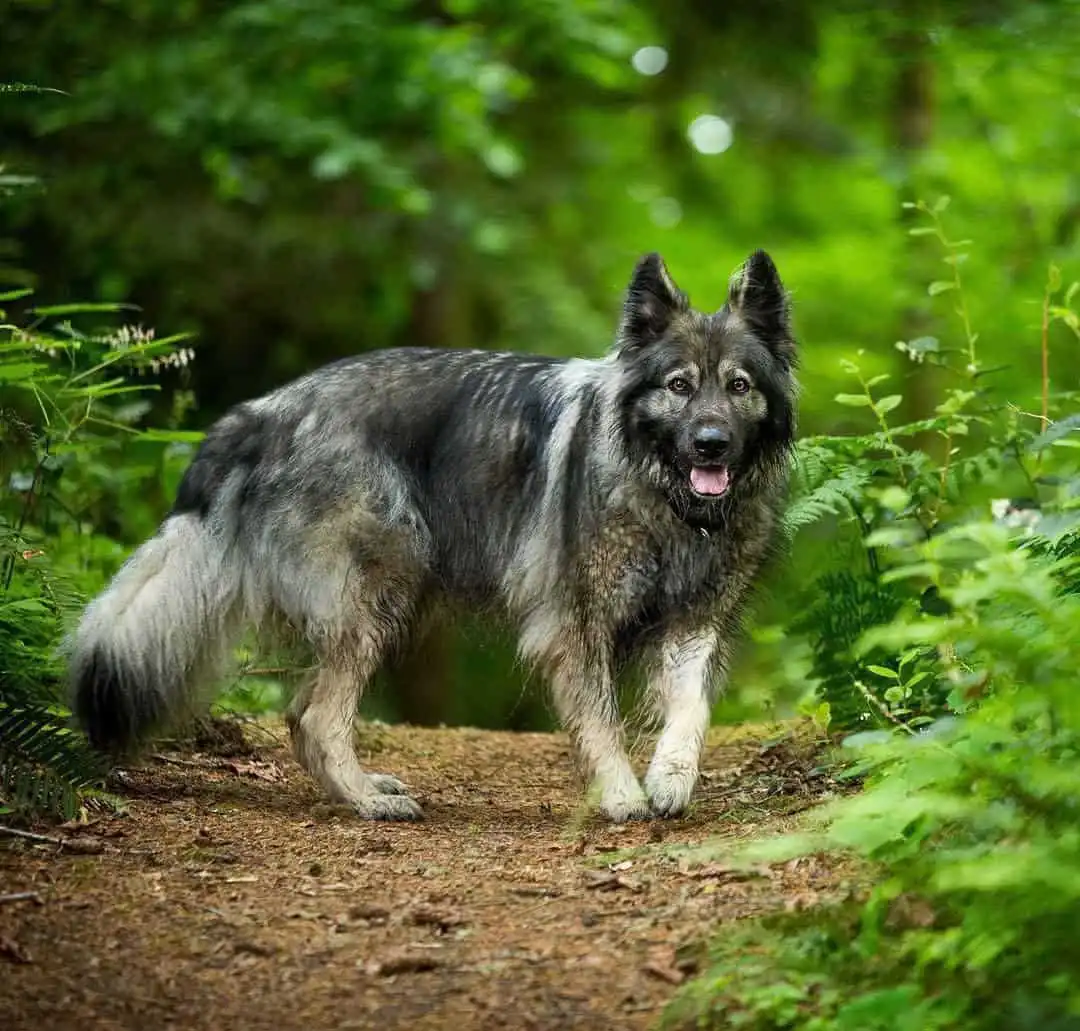
The American Alsatian is a relatively new dog breed that varies in size from large to giant. It was created with the goal of producing a companion animal that not only boasts a significant size but also bears a resemblance to the long-extinct Dire Wolf. At this time, the breed lacks recognition from any major multi-breed kennel clubs and is not actively seeking such acknowledgment. Breeders are currently focused on cultivating a stable temperament and improving the breed's longevity before turning their attention to its physical traits. The main objective right now is to increase the lifespan of the American Alsatian to be more in line with that of captive wolves, which generally live around fifteen to twenty years. In contrast, the current lifespan of the American Alsatian ranges from twelve to fourteen years.
Breed Origin
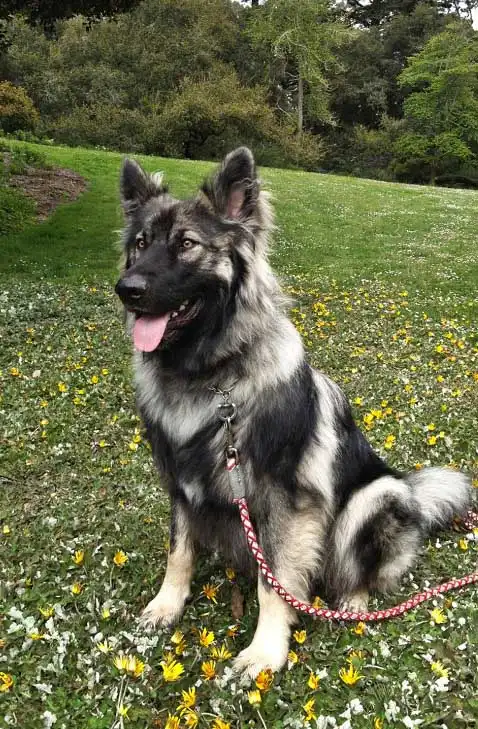
Lois Denny, who later became known as Lois Schwarz, launched a dog breeding initiative in 1987 called the Dire Wolf Program. The goal was to develop a new breed of domestic dog that not only resembled the long-gone Dire Wolf in appearance but also had a temperament suitable for being a companion. Although capturing the Dire Wolf's look was a key focus, Denny deliberately excluded wolves and wolf hybrids from the breeding process due to their unpredictable nature. Instead, she chose to cross German Shepherds and Malamutes, valued for their intelligence, stability, and low barking tendencies. To further enhance the breed's size, she later introduced a fawn-colored English Mastiff, initially naming the dogs Shepalutes or Alsatian Shepalutes. By 2002, dogs exhibiting the desired temperament were reliably reproducing, and in 2006, a Great Pyrenees/Anatolian Shepherd was added to the program for its size and temperament. In 2010, the breed's name was changed from Alsatian Shepalute to American Alsatian, partly to move away from the perception of being a "designer dog." The American Alsatian has since gained traction, with new breeders working to uphold the foundational goals established by Lois, thereby enhancing the breed. Although there have been no efforts to register the breed with various dog registries, steady progress has been made in refining this emerging canine breed.
Breed Appearance
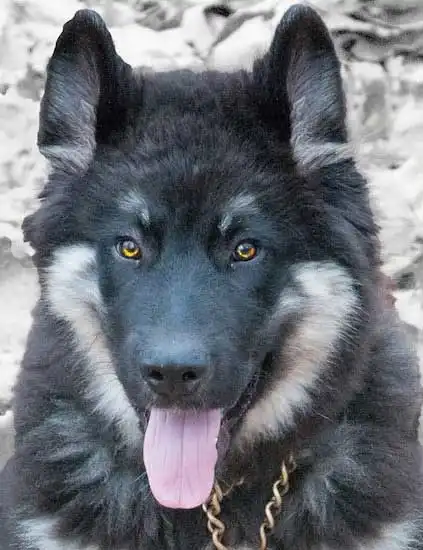
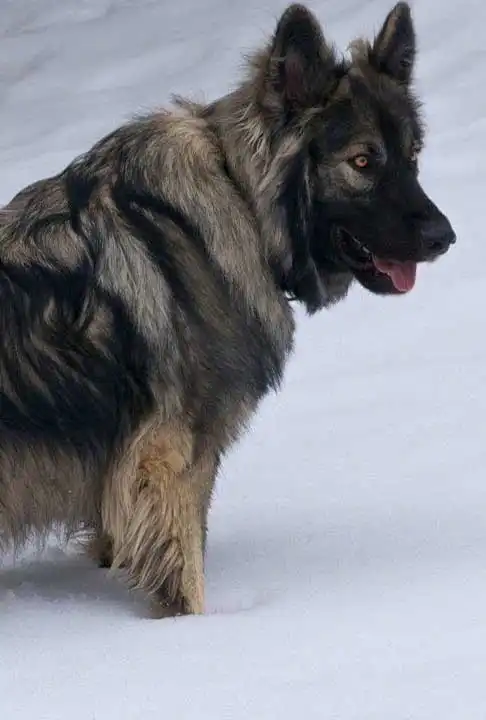
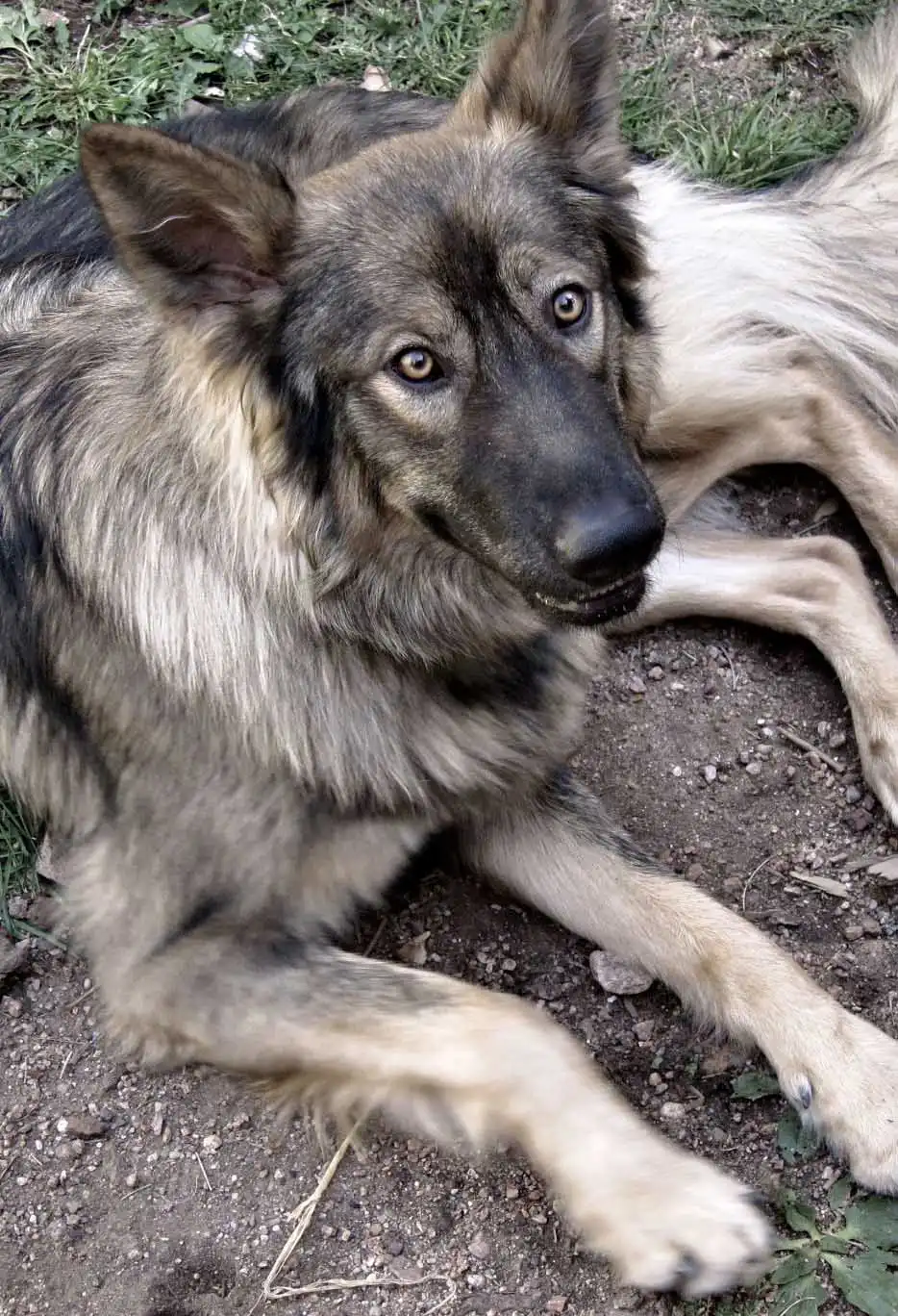
The American Alsatian, although smaller than the now-extinct Dire Wolf it seeks to resemble, is still a notably sizable breed. Most individuals in this breed reach heights exceeding two feet at the shoulder and typically weigh around one hundred pounds as adults. They are built robustly, featuring a broad chest, thick neck, strong legs, and exceptionally large feet that contribute to their stability and agility. Their bodies tend to be slightly longer than they are tall, creating a rectangular silhouette. The breed is characterized by a large, gently rounded skull that flattens near the eyes, complemented by a substantial, slightly tapered muzzle. Their almond-shaped eyes can range in color from brown to yellow, with a preference for the lighter hues. The ears are upright, triangular, and slightly rounded at the tips, usually set wide apart and shorter in length. Additionally, straight tails are preferred over those that are longer or curled.
Care Routine
The American Alsatian has been carefully bred to minimize odor, and its thick coat effectively repels dirt and debris, which means that baths are only needed occasionally. The outer fur is of moderate length and has a somewhat coarse texture, while the undercoat is particularly dense, providing warmth in colder months. However, this undercoat nearly vanishes in the spring, resulting in considerable shedding. While this breed requires brushing every few days throughout the year to manage moderate shedding, daily grooming—or even more frequent brushing—becomes crucial during the shedding season, as they tend to leave behind a significant amount of hair. Additionally, regular dental and nail maintenance is vital; teeth should be brushed several times a week, and nails should be trimmed monthly.
Behavior & Temperament
Unlike many larger dog breeds, the American Alsatian has been intentionally bred to be a companion animal. These dogs flourish when they are close to their owners or families and usually show a commendable level of tolerance towards strangers and other pets. However, some may exhibit a more reserved personality, with a few being shy; this shyness is gradually being addressed through thoughtful breeding practices. Despite their size, American Alsatians are known for their calm demeanor, whether indoors or outdoors. While it’s important to supervise their interactions with small children and other animals, they are generally dependable and not overly energetic. Although they possess a large build and share lineage with the German Shepherd, they are not ideal for roles such as protection, guarding, or watchdog duties due to their gentle disposition. Rather than defending their territory, they are more likely to greet an intruder warmly. On a brighter note, their naturally accepting and gentle nature makes them outstanding therapy dogs, and some have even been trained for search and rescue missions.

Play & Exercise
While these dogs may not be particularly energetic or playful on their own, they still need consistent exercise to stay healthy, ideally around an hour of moderate activity daily. Although they might not show a lot of enthusiasm or vigor, they are generally sturdy and can manage longer walks if that aligns with your lifestyle. These dogs are versatile and can thrive in different living situations, whether in a large house with a yard or a smaller apartment. Their dense winter coats make them well-adapted to colder weather, but they can be sensitive to heat, so it's important to monitor them closely in warmer temperatures.
Things to Know
Cups Per Day
4.5 Cups
Daily Activity
60 Minutes
Average Lifespan
13 Years
Origin
1987/1988
Type
Pure Breeds
Size
Giant
Origin Country
Southern California, USA
Brush Frequency
Daily
Coat Texture
Straight
Register
Your kids have been begging for a pet forever, and you've recently decided that it's time for your family to get a new addition -- a dog! While everyone is excited for the new arrival, you're wondering if you need to have a dog license. How much does it cost? Is it required? Where do you get one?
Member Clubs

PETINNATE
Other
Height & Weight
Weight
101 lbs (46 kg)Male: 105 lbs (48 kg) , Female: 98 lbs (44 kg)
Height
28 inches (71 sm)Male: 29 inches (74 sm) , Female: 27 inches (69 sm)
6 Months
58 lbs ( m 58 lbs, f 58 lbs )
21 inches ( m 21 inches, f 21 inches )
12 Months
83 lbs ( m 83 lbs, f 83 lbs )
19 inches ( m 19 inches, f 19 inches )
18 Months
88 lbs ( m 88 lbs, f 88 lbs )
20 inches ( m 20 inches, f 20 inches )
Eye Colors
Brown

Amber
Nose Colors
Black
Coat Colors
Sable