
American Eagle Dog
Eskimo Beagle
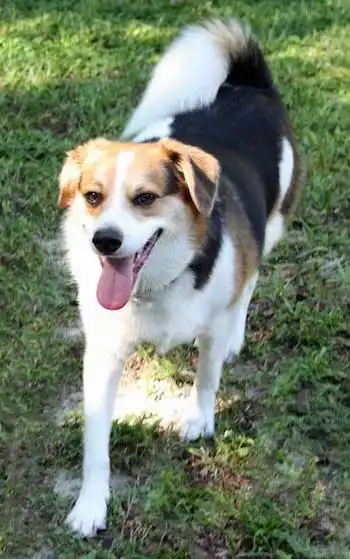
The American Eagle Dog is a hybrid breed created by crossing a Beagle with an American Eskimo Dog. While the specifics of its early development are not well-documented, this breed has become increasingly popular, thanks to its endearing and loving nature, which appeals to many families. In terms of appearance, they share a body shape similar to that of the American Eskimo Dog, but their heads display recognizable Beagle characteristics. Generally categorized as small to medium-sized, these dogs are celebrated for their loyalty and friendly personalities, radiating confidence and sociability. Ultimately, they are delightful and happy companions.
Breed Origin
The designation "American" in the name of this breed stems from its lineage, specifically the American Eskimo Dog, rather than its geographical roots. Although information about this new hybrid is somewhat scarce, it can be assumed that it likely inherits desirable characteristics from both parent breeds. The American Eskimo Dog is part of the Spitz family, which includes Nordic breeds known for their fox-like features and dense fur. While the precise origins of the American Eskimo Dog are not fully understood, it is recognized that small white Spitz-type dogs were common among German immigrant communities, eventually being referred to as American Spitz dogs. In the 19th century, these dogs became popular as performers in various circuses throughout the United States. They were officially renamed the American Eskimo Dog in 1917, although the rationale behind this change remains unclear. These dogs are celebrated for their striking looks and delightful personalities, showcasing intelligence and high energy levels. The Beagle, which first appeared in records during the 1500s, was a favorite among English hunters who utilized packs of these dogs to pursue rabbits, hares, pheasants, and other small game. It is thought that the Beagle is a descendant of a blend of Harrier and other English hounds. Known for their remarkable sense of smell, Beagles are frequently used as detection dogs for narcotics. They also make cherished family pets and companions. The newly developed hybrid, called the American Eagle Dog, presents a unique take on the coloration and texture of the American Eskimo Dog's impressive coat, though it is less thick, making it better suited for warmer environments. This breed is recognized for its friendly and sociable demeanor, eagerness to please, love for play and activity, and a strong inclination to stay close to its human family.
Breed Appearance
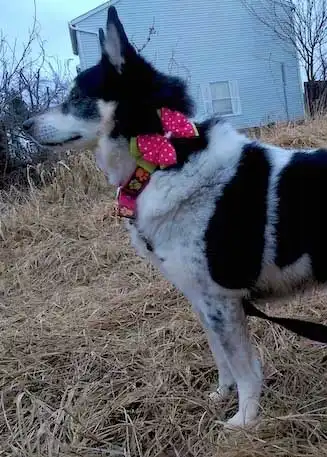
An American Eagle Dog typically weighs between 20 and 50 pounds, with males generally being larger than females, which places this hybrid in the small to medium dog category. Their coat is usually thick, dense, and straight, requiring consistent grooming to maintain its condition. The fur can come in various colors, including cream, white with cream, black, and white with brown. Males often display a mane-like fur around their necks, a trait that is not as common in females. Generally, these dogs have floppy ears, and their eyelids, noses, and footpads are mostly black.

Care Routine
The American Eagle Dog features a beautiful, dense coat and is classified as a moderate shedder. Grooming this coat is relatively simple, with daily brushing recommended to keep it looking its best. Expect some shedding in your home, which may necessitate frequent vacuuming. Baths should be given only when absolutely needed, such as after your dog has rolled in something dirty or muddy. Regularly inspecting your dog's ears for signs of inflammation is crucial, and you should gently clean them with a damp cloth. Avoid inserting anything into the inner ear to prevent potential harm. Just like people, dogs need dental hygiene, so brushing their teeth three times a week is adequate. Training your puppy to accept ear, teeth, and eye checks will make these routines easier as she matures. Furthermore, these dogs have a robust appetite and may try to persuade others to share their food, so it's important to monitor their weight to avoid any unnecessary weight gain.
Behavior & Temperament
The American Eagle Dog, a hybrid breed, is renowned for its intelligence, affectionate demeanor, and loving disposition, making it a perfect family companion. These dogs are sociable and respond positively to training when led by a firm yet kind handler, thriving on routine and consistency. They are energetic and playful, enjoying family activities and preferring not to be left alone for extended periods. If confined to a small yard without adequate stimulation, they may engage in destructive behaviors due to boredom. This breed inherits the finest qualities from its parent breeds: the Beagle and the American Eskimo Dog. The Beagle, originally bred for hunting, possesses a strong scent-tracking instinct, while the American Eskimo Dog is known for its entertaining performances in circuses. Both breeds are not only visually appealing but also highly intelligent. The blend of these two breeds results in a friendly, trainable dog that is especially good with children. However, without proper engagement and training, they may develop chewing and digging habits. They can adapt well to apartment living as long as they receive enough exercise, although they might be prone to barking. With patient training, these dogs can quickly learn and adjust to their surroundings.


Play & Exercise
The American Eagle Dog is an active breed that thrives on engagement, whether through training, walks, swimming, or playing with family. They are always enthusiastic about participating in your activities. This breed is generally easy to train and responds positively to encouragement, such as praise, treats, and rewards, which keeps them motivated. Children can develop a strong bond with an American Eagle Dog, as long as they learn to interact with them in a safe and respectful manner. When socialized from a young age, these dogs can become devoted and loving companions. Given their energetic and inquisitive nature, it’s crucial to have a securely fenced yard to prevent them from straying. Care should be taken around smaller pets, as they might instinctively see them as prey and chase them. Although they are a smaller breed that can adapt to apartment living, they still need regular walks throughout the day. True to their Beagle heritage, they may be prone to barking if not properly trained, which could create challenges in an apartment environment.
Things to Know
Cups Per Day
0.0 Cups
Daily Activity
0 Minutes
Average Lifespan
14 Years
Origin
1990s
Type
Crossbreeds
Size
Not Set
Origin Country
Europe
Brush Frequency
Daily
Coat Texture
Straight
Register
Your kids have been begging for a pet forever, and you've recently decided that it's time for your family to get a new addition -- a dog! While everyone is excited for the new arrival, you're wondering if you need to have a dog license. How much does it cost? Is it required? Where do you get one?
Member Clubs

PETINNATE
Other
Height & Weight
Weight
34 lbs (15 kg)Male: 40 lbs (18 kg) , Female: 28 lbs (13 kg)
Height
15 inches (38 sm)Male: 17 inches (43 sm) , Female: 14 inches (36 sm)