American Leopard Hound
American Leopard, American Leopard Cur, Leopard Cur
Despite its intimidating name, the American Leopard Hound is a gentle and affectionate companion within the family setting. However, in the field, it becomes a tenacious and brave hunter. This breed has been utilized to track feral hogs, large livestock, and even bears. It has the capability to pursue various types of game and can effectively keep it in place through eye contact and body language until the hunter arrives. Likewise, at home, it expresses its needs and wants to its family using these same nonverbal signals. Furthermore, the American Leopard Hound is recognized for its ease of training.
Breed Origin
The American Leopard Hound is thought to have originated from hounds brought to Mexico by Spanish conquistadors after Christopher Columbus's arrival in the Americas. These hounds were later crossbred with indigenous Mexican dog breeds. Early American settlers, aiming to hunt wild boar and bears, transported these dogs—originally referred to as Leopard Dogs—from Mexico to the United States. While the exact origins of the breed are unclear and the specific dogs that played a role in its development are not well-documented, the American Leopard Hound is regarded as one of the oldest treeing breeds in the Americas. In 1960, a breed club was formed for these dogs, which were officially designated as the American Leopard Cur. It wasn't until 2008 that the members of the American Leopard Cur Club voted to change the breed's name to the American Leopard Hound. Since then, the club has worked diligently to document the dogs registered under this name and has researched the breed's historical significance in the United States. Traditionally, these dogs were used on farms to keep an eye on livestock, including chickens, cows, and pigs, primarily tasked with retrieving any animals that wandered off. Over time, they also became skilled at hunting game such as feral pigs and bears. The United Kennel Club recognized the Leopard Cur in 1998, and in 2008, the breed's name was officially updated to American Leopard Hound. The American Kennel Club included the American Leopard Hound in its Foundation Stock Service in 2012, marking the start of its journey toward full recognition by the AKC.
Breed Appearance
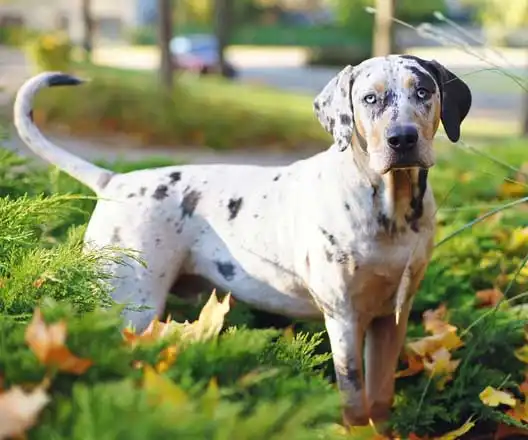
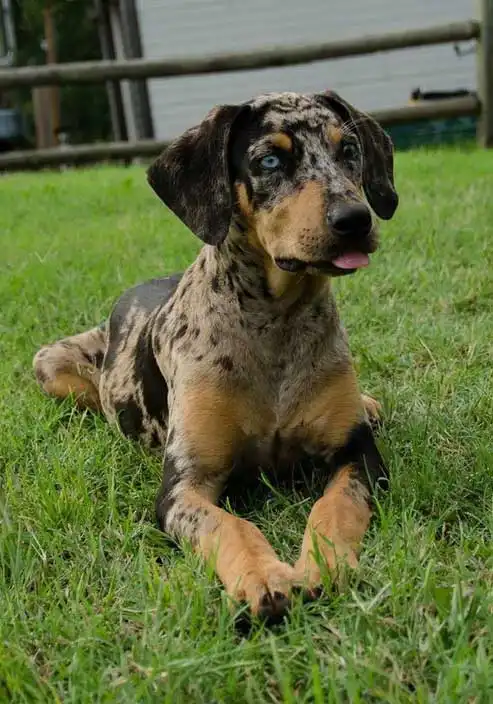
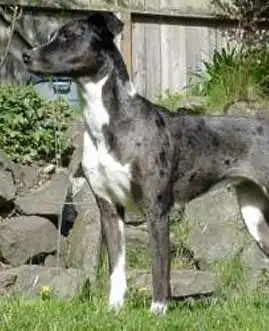
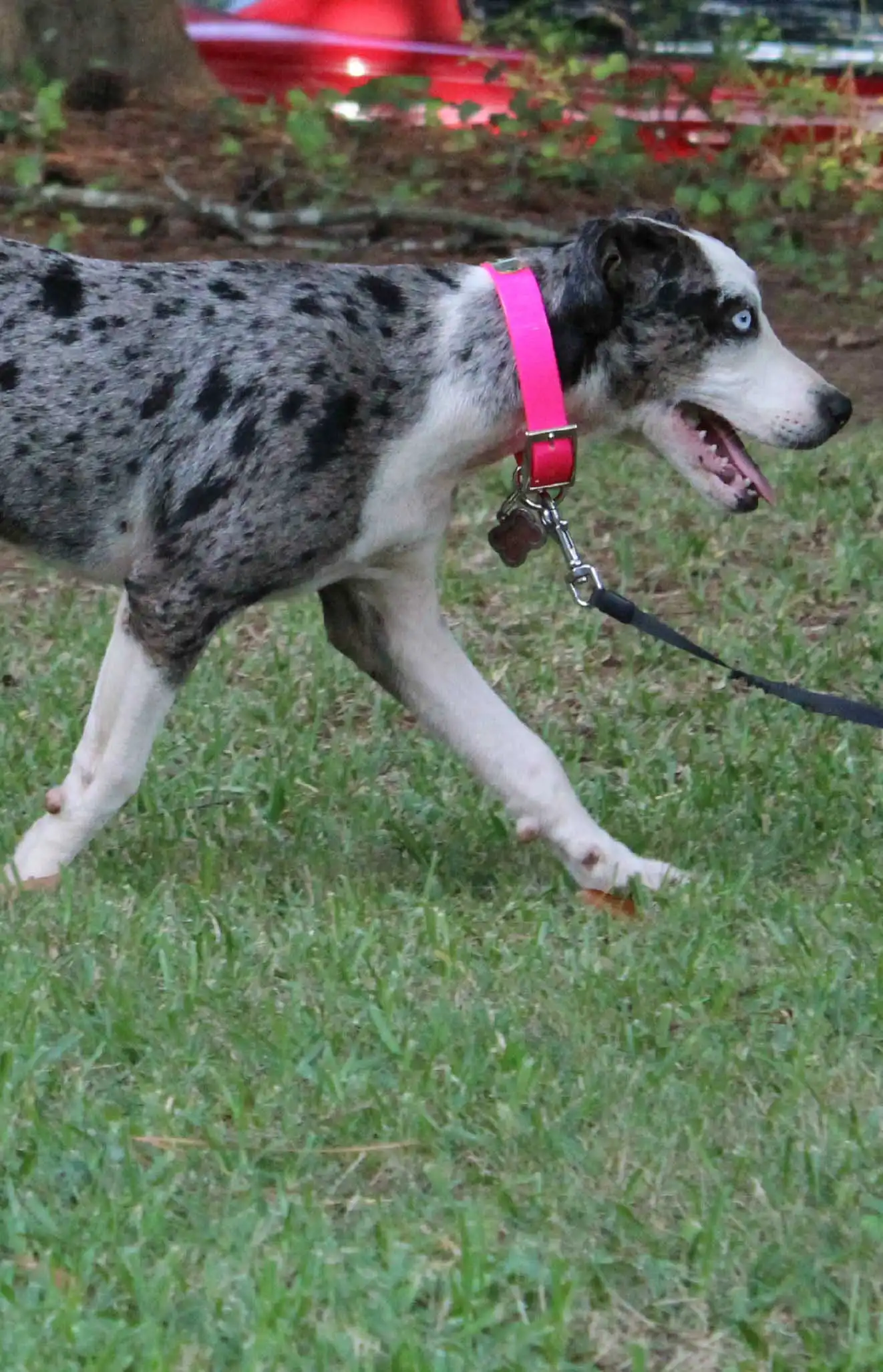
The American Leopard Hound was developed mainly for its functional abilities rather than its looks, resulting in a diverse array of physical traits within the breed. One of its most distinctive features is the merling coat pattern, which consists of irregular splotches. The coat can be found in multiple colors, such as red, blue, brindle, black, yellow, and grey, and is known for its short, dense feel. This medium-sized dog has a sturdy build, particularly with powerful hind legs that allow it to climb trees effortlessly. Its feet are exceptionally tough, enabling it to hunt without experiencing soreness. Typically, the American Leopard Hound has a dark nose, usually black, though the red merle variation may have a brown nose. Its eyes are round and set apart, coming in various shades of brown or yellow, and some dogs may even display blue eyes.
Care Routine
The American Leopard Hound is characterized by a dense double coat that sheds throughout the year. Because his fur is relatively short, the loose hairs can easily become airborne, landing on furniture and clothing. To help manage this, it's recommended to regularly wipe his coat with a soft, damp cloth or to brush him weekly using a natural bristle or soft slicker brush. His droopy ears require weekly inspections for dirt or moisture, and they should be cleaned as needed to avoid infections. Establishing a consistent dental care routine is crucial for his oral health. Additionally, check his toenails every few weeks and trim them when necessary. It's important to note that the American Leopard Hound is not hypoallergenic and may emit a noticeable doggy odor. Baths should be administered every few months or whenever he gets particularly dirty from activities such as hunting or working in the fields.
Behavior & Temperament
The American Leopard Hound is a charming and spirited breed known for its strong bonds with family members. This loving dog is committed to making its owners happy and possesses a notable protective nature, especially around children, ensuring they are safe from strangers. Engaging in activities such as playing games or enjoying long walks is crucial for maintaining his fitness and overall health. As a hound, he tends to be quite vocal; prolonged outdoor time may lead to barking and baying that could disturb neighbors. He usually interacts well with other dogs, and having a furry friend can be advantageous if his family is away during the day. However, when it comes to other household pets, careful supervision is necessary to manage any unwanted behaviors. Training this breed is generally easy, thanks to his intelligence and desire to please. Due to his strong prey drive, it’s essential to have a secure fence to keep him from pursuing local wildlife.


Play & Exercise
Things to Know
Cups Per Day
3.0 Cups
Daily Activity
60 Minutes
Average Lifespan
14 Years
Origin
Unknown
Type
Pure Breeds
Size
Medium
Origin Country
Mexico
Brush Frequency
Weekly
Coat Texture
Straight
Register
Your kids have been begging for a pet forever, and you've recently decided that it's time for your family to get a new addition -- a dog! While everyone is excited for the new arrival, you're wondering if you need to have a dog license. How much does it cost? Is it required? Where do you get one?
Member Clubs

PETINNATE
Scenthound

AKC
Foundation Stock Service

UKC
Scenthound
Height & Weight
Weight
55 lbs (25 kg)Male: 60 lbs (27 kg) , Female: 50 lbs (23 kg)
Height
24 inches (61 sm)Male: 25 inches (64 sm) , Female: 23 inches (58 sm)
6 Months
24 lbs ( m 24 lbs, f 24 lbs )
18 inches ( m 18 inches, f 18 inches )
12 Months
37 lbs ( m 37 lbs, f 37 lbs )
20 inches ( m 20 inches, f 20 inches )
18 Months
50 lbs ( m 50 lbs, f 50 lbs )
23 inches ( m 23 inches, f 23 inches )
Eye Colors
Blue

Brown
Amber
Nose Colors
Black
Brown
Coat Colors
Black
Red
Blue
Brindle
Gray