Armant
Egyptian Sheepdog, Egyptian Shepherd Dog, Ermenti, Hawara Dog, Chien de Berger Egyptian
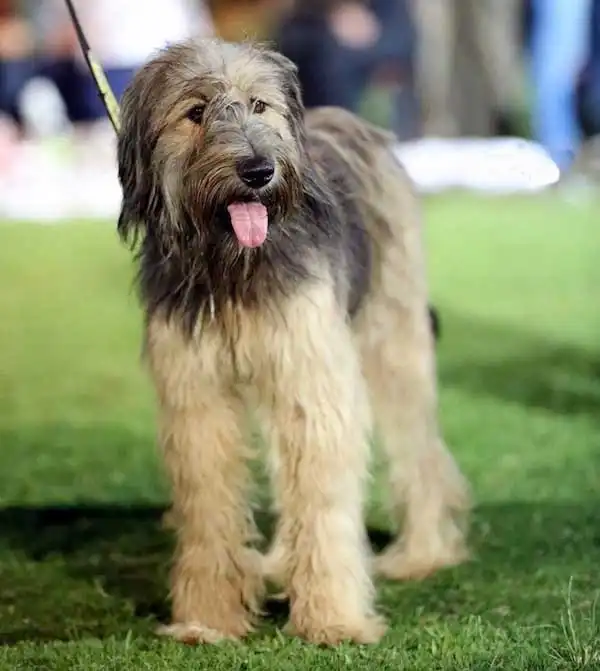
The Armant, an uncommon breed of Egyptian sheepdog, is celebrated for its strength and loyalty, making it both a hardworking guardian and a cherished family pet. These dogs exhibit bravery in their roles, fiercely protecting their flock without hesitation. When not on duty, the Armant loves to engage in play, proving to be an excellent companion for children. They are generally eager to please and respond positively to training efforts. Although they may be cautious around strangers, they are quick to notify their families of any unusual activity nearby. This lively breed needs plenty of outdoor exercise to run and play, and they flourish when provided with a variety of toys to keep them occupied during alone time.
Breed Origin
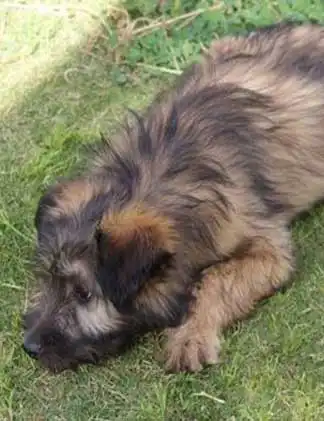
The Armant breed has its origins in Egypt, dating back to the early 1900s. Originally bred as guard dogs, their herding skills soon caught the attention of local farmers. Many specialists believe that the Armant resulted from a cross between the Briard and several European breeds brought to Egypt by Napoleon’s troops. Others argue that the breed developed independently from indigenous Egyptian farm dogs, without any influence from the Briard. Named after the town of Armant, where they were predominantly found, this breed boasts a rich historical background. There is another, though less widely accepted, theory suggesting that the Armant was created by mixing Bearded Collies and Newfoundlands with local Egyptian farm dogs that had European herding lineage. Armant itself is an ancient settlement situated near Thebes on the west bank of the Nile in Upper Egypt. Known to the Greeks as Hermonthis, it was an important ceremonial center for ancient rulers and was linked to sun worship. According to local legend, the war god Mont was revered in the Armant area, often depicted as a human with a hawk's head. The Armant is celebrated for its courage in the face of predators, reflecting the storied heritage of its namesake town. While they are fiercely protective of livestock, they are also gentle and loving with their families, making them wonderful companions and suitable pets for children. Although the Armant has not yet gained sufficient recognition to be acknowledged by the American Kennel Club, it is registered with other canine organizations.
Breed Appearance
The Armant is a classic medium-sized dog known for its prominent head and a muzzle that, while of moderate length, is well-suited to its overall proportions. Its small, round, dark eyes are angled, contributing to its unique appearance. Typically, the nose is broad and black, featuring wide nostrils, though some individuals may have lighter noses that complement their coat color. This breed is robust, characterized by a deep, wide chest and strong legs. Without a strict breed standard, Armants can display a range of ear types, from drooping to upright. As a primarily working breed, their emphasis lies on functionality over aesthetics. Their coat is shaggy, varying from medium to long in length, with a coarse texture. Armants are found in several colors, with black, black and tan, gray, and yellow being the most common.


Care Routine
The Armant is characterized by a thick coat that ranges from medium to long in length, which becomes denser in colder weather, offering vital protection from the elements while they are with their flock. To keep their coat looking healthy and free of dirt, it is recommended to brush it weekly. Effective grooming tools include a slicker brush, a natural bristle brush, or a pin brush, complemented by a metal comb. While the Armant's coat generally resists tangling, infrequent brushing can result in matting. For those with longer coats, brushing daily or every other day is advisable to avoid tangles. They do shed significantly, requiring more grooming attention during those times. Additionally, it’s crucial to clean their ears weekly, especially if they have droopy ears, and to trim their nails every few weeks or as necessary. Frequent bathing should be minimized, as it can cause dry, flaky skin; when baths are needed, use a shampoo designed specifically for coarse coats.
Behavior & Temperament
The Armant is an exceptionally intelligent and trainable breed that flourishes when guided by an owner who can invest time in their training and provide the necessary daily attention and exercise. This breed develops deep connections with their family and naturally assumes the role of a protector at home. They thrive in settings where they have specific responsibilities to fulfill. When not working, they love to play with children and enjoy long hikes. It’s essential to have a variety of toys on hand, as they may become destructive if left alone for extended periods. As a sheepdog with an inherent herding instinct, a sturdy fence is necessary to keep them from trying to herd vehicles, bicycles, or neighborhood children. Early socialization is vital for helping them adjust to new people and environments. Generally, the Armant is not aggressive towards other dogs, making them a good fit for households with multiple pets.


Play & Exercise
For a long time, the Armant was mainly employed as a working dog, but farmers eventually discovered the benefits of having them as companions. This breed flourishes when assigned tasks; without a job to do, they often become restless and look for their own forms of entertainment. Training an Armant is most successful with positive reinforcement and treats. Renowned for their agility, they perform exceptionally well in dog sports, particularly agility competitions. Furthermore, taking them on long daily walks or playing fetch in the yard can offer the necessary exercise to keep them content and healthy.
Things to Know
Cups Per Day
1.6 Cups
Daily Activity
45 Minutes
Average Lifespan
15 Years
Origin
1900s
Type
Pure Breeds
Size
Medium
Origin Country
Egypt
Brush Frequency
Weekly
Coat Texture
Straight
Register
Your kids have been begging for a pet forever, and you've recently decided that it's time for your family to get a new addition -- a dog! While everyone is excited for the new arrival, you're wondering if you need to have a dog license. How much does it cost? Is it required? Where do you get one?
Member Clubs

PETINNATE
Other
Height & Weight
Weight
58 lbs (26 kg)Male: 58 lbs (26 kg) , Female: 58 lbs (26 kg)
Height
22 inches (56 sm)Male: 22 inches (56 sm) , Female: 22 inches (56 sm)
6 Months
29 lbs ( m 29 lbs, f 29 lbs )
17 inches ( m 17 inches, f 17 inches )
12 Months
42 lbs ( m 42 lbs, f 42 lbs )
20 inches ( m 20 inches, f 20 inches )
18 Months
57 lbs ( m 57 lbs, f 57 lbs )
22 inches ( m 22 inches, f 22 inches )
Eye Colors
Brown

Nose Colors
Black
Brown
Coat Colors
Fawn
Gray
Black