Barak
Bosanski Oštrodlaki Gonič, Bosnian Rough-Haired Hound, Bosnian Broken-Haired Hound, Bosnian Coarse-Coated Hound, Bosnian-Rough-Coated Hound, Bosnian-Broken-Coated Hound, Bosnian Hound, Illyrian Hound, Barak
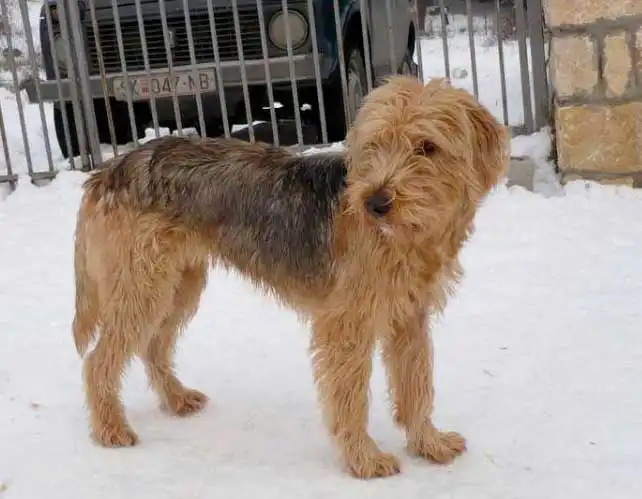
The Barak, often known as the Bosnian Coarse-Haired Hound, is a medium-sized dog distinguished by its distinctive shaggy coat. This breed hails from Bosnia and Herzegovina and holds the unique status of being the only dog breed from this region that is recognized internationally. Developed as a scent hound, the Barak's ancestry includes local native dogs as well as Italian hunting breeds that migrated eastward over the years. Primarily bred for hunting game such as hares, foxes, and wild boars, Baraks are celebrated for their exceptional hunting and tracking abilities, thanks to their acute sense of smell, endurance, and strong work ethic. Like many European scent hounds, Baraks tend to be relaxed at home but display intense focus and commitment when it comes to hunting. They generally get along well with people and other dogs, especially when they receive proper training and socialization. However, their strong prey drive can create challenges, making them less ideal for homes with non-canine pets unless they are raised together from an early age. While Baraks are intelligent, they can also exhibit a degree of stubbornness, which may complicate training and requires an experienced owner to ensure consistency. Although they enjoy a certain level of popularity as hunting dogs in their homeland, they have not yet adapted to the role of companion animals and remain relatively rare outside their region of origin.
Breed Origin
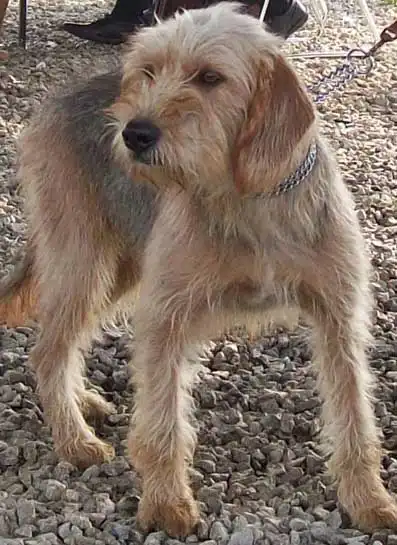
The origins of the Barak breed are somewhat unclear, largely due to a lack of documented history regarding their lineage. It is believed that they emerged from a combination of local scent hounds and Italian gun dogs, with the goal of creating a smaller scent hound adept at tracking hares, foxes, and wild boars in the challenging terrains of Herzegovina. Their size suggests that the Istrian Shorthaired Hound may have contributed to the breed's early development. Delving deeper into their ancestry, it is possible that the Barak descends from Molossus-type dogs that inhabited the region centuries ago, as they share certain characteristics. However, due to the influence of various early breeds and the lack of thorough records, these connections remain largely conjectural. The breed was officially recognized by the Federation Cynologique Internationale in 1965, and the United Kennel Club added the Barak to its registry in 2006.
Breed Appearance
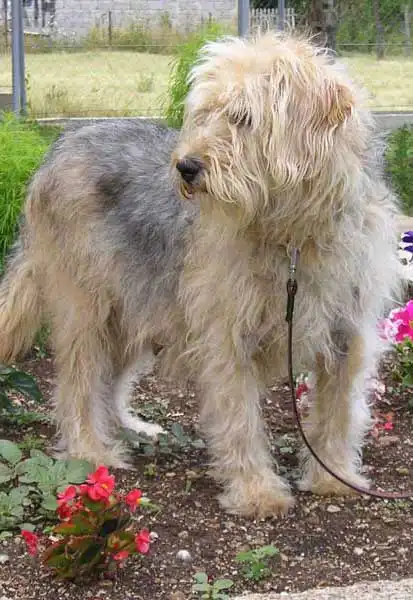
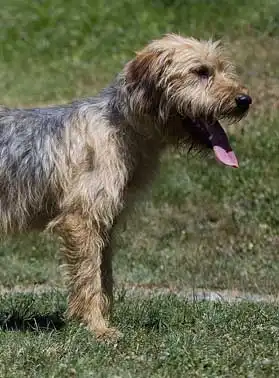
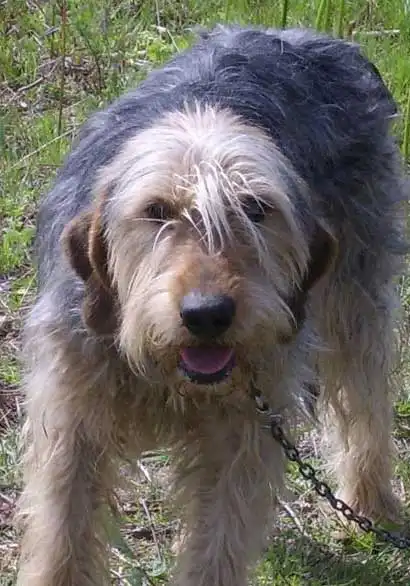
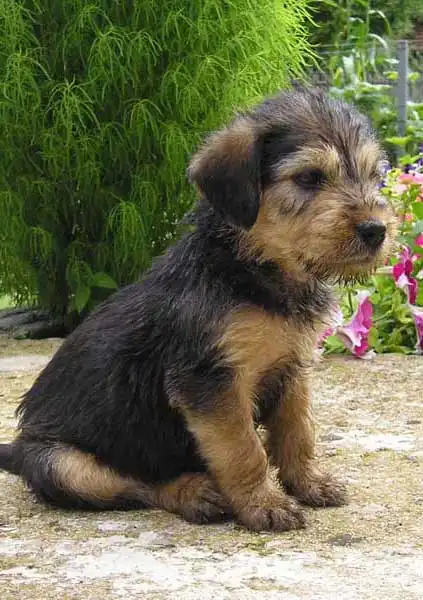
The Barak is a medium-sized dog breed, generally reaching a height of around 20 inches and weighing approximately 45 pounds. One of its most striking features is its shaggy outer coat, which measures a few inches in length and comes in a variety of colors, such as wheat-yellow, reddish-yellow, gray, and nearly black, often highlighted by a darker saddle pattern. Underneath this outer layer lies a soft and dense undercoat. The head of the Barak is well-balanced with its body, showcasing a rounded skull, a moderate stop, and a rectangular muzzle that is slightly longer than the skull, topped with a dark brown or black nose. It is also characterized by a prominent beard, mustache, and distinct eyebrows. The eyes are oval and dark brown, while the ears are set at a moderate height, broad, and relatively long. With a neck of medium length that flows into a gently sloping topline, the Barak typically stands in a square stance. Its legs are robust, particularly in the shoulder and thigh areas, and the chest is deep, reaching down to the elbows, which enhances its powerful bark. The tail is long, slightly curved, and features a tuft of extra fur.
Care Routine
Despite having longer fur, Baraks are still considered to be low-maintenance dogs. They shed moderately and only need to be brushed a few times a week to keep loose hair under control. A firm bristle or slicker brush usually does the trick, although their fur may still appear a bit unkempt even with regular grooming. In general, Baraks are quite adept at self-cleaning and typically only need a bath after rolling in something particularly dirty or smelly. However, their ears require extra care due to their folded shape, size, and the amount of hair they have, which can create a damp environment that encourages moisture or wax buildup, potentially leading to infections. Therefore, it’s essential to check their ears regularly. Additionally, like all dog breeds, their nails should be routinely examined and trimmed, and their teeth should ideally be brushed at least once a week to maintain healthy gums and teeth.
Behavior & Temperament
Baraks are deeply rooted in the traditional archetype of European scent hounds, displaying two distinct personalities: one suited for indoor life and the other for outdoor adventures. When it comes to hunting, they demonstrate a remarkable level of enthusiasm, dedication, and exceptional tracking skills, tirelessly pursuing scents for extended periods. Within the home, they are generally relaxed companions, content to join their families in various activities, whether it’s helping with chores or simply enjoying downtime together. Their background as pack hunters fosters a sociable nature, making them friendly with other dogs and children. However, they may exhibit caution around strangers, which enhances their role as effective watchdogs. Similar to their behavior during a hunt, they instinctively bark at anything that piques their interest and will continue until given a different command, resulting in a moderate to high barking tendency compared to other breeds. With appropriate training and socialization, they can learn to be quieter and more welcoming to newcomers. Nonetheless, training can prove challenging due to their intelligence, which can lead to stubbornness; therefore, they often require an experienced owner who can offer firm guidance and consistency to promote positive behavior. Given their high energy levels, Baraks flourish in active households or those with plenty of space to roam, such as a large yard or easy access to a dog park.
Play & Exercise
Baraks are recognized as dogs with moderate to high energy levels, meaning they need a considerable amount of daily and weekly exercise. If they don’t get enough physical activity, they can become bored, frustrated, and even destructive. To keep them happy and well-exercised, it’s ideal for them to have about 60 minutes of exercise each day, which translates to roughly 16 miles of walking and running each week, along with extra playtime in a yard or dog park. Their high intelligence and strong prey drive make it essential to engage them in activities that stimulate these instincts, particularly if they aren’t used for hunting. Interactive games that challenge their mental and physical skills, like fetch, are particularly effective in enhancing their overall well-being and joy.
Things to Know
Cups Per Day
3.0 Cups
Daily Activity
60 Minutes
Average Lifespan
14 Years
Origin
1890s
Type
Pure Breeds
Size
Medium
Origin Country
Bosnia and Herzegovina
Brush Frequency
Weekly
Coat Texture
Wiry
Register
Your kids have been begging for a pet forever, and you've recently decided that it's time for your family to get a new addition -- a dog! While everyone is excited for the new arrival, you're wondering if you need to have a dog license. How much does it cost? Is it required? Where do you get one?
Member Clubs

PETINNATE
Scenthound

UKC
Scenthound
Height & Weight
Weight
45 lbs (20 kg)Male: 45 lbs (20 kg) , Female: 45 lbs (20 kg)
Height
20 inches (51 sm)Male: 20 inches (51 sm) , Female: 20 inches (51 sm)
6 Months
32 lbs ( m 32 lbs, f 32 lbs )
14 inches ( m 14 inches, f 14 inches )
12 Months
38 lbs ( m 38 lbs, f 38 lbs )
17 inches ( m 17 inches, f 17 inches )
18 Months
45 lbs ( m 45 lbs, f 45 lbs )
20 inches ( m 20 inches, f 20 inches )
Eye Colors
Brown

Nose Colors
Black
Brown
Coat Colors
Fawn
Red
Gray
Black
White