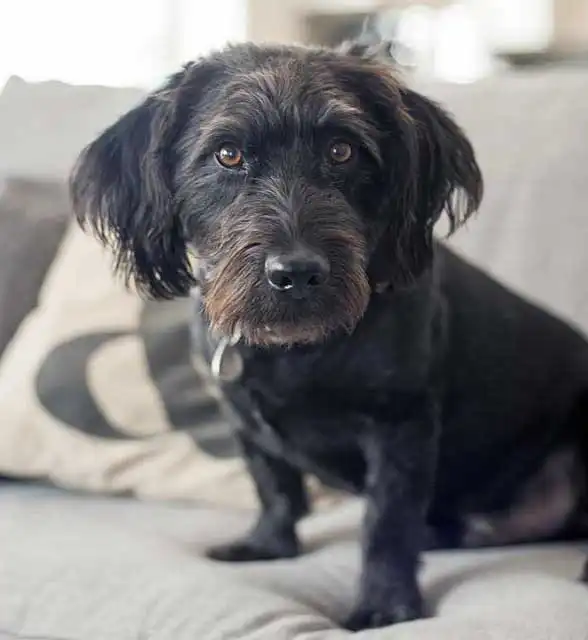
Bascottie
The Bascottie, despite its name evoking an Italian dessert, is actually a delightful mix of the Basset Hound and the Scottish Terrier. This endearing breed predominantly reflects the appearance and temperament of its Scottish Terrier ancestry, while also exhibiting the sturdy, low stature typical of its Basset Hound heritage. Bascotties are known for their energetic and friendly demeanor, and surprisingly, they possess a notable agility despite their elongated bodies. Generally, they get along well with other dogs and can readily accept cats into their home, especially if they are socialized early on. Their coats are typically wiry and black, but they can also come in a range of colors, including tan, white, and brindle.
Breed Origin
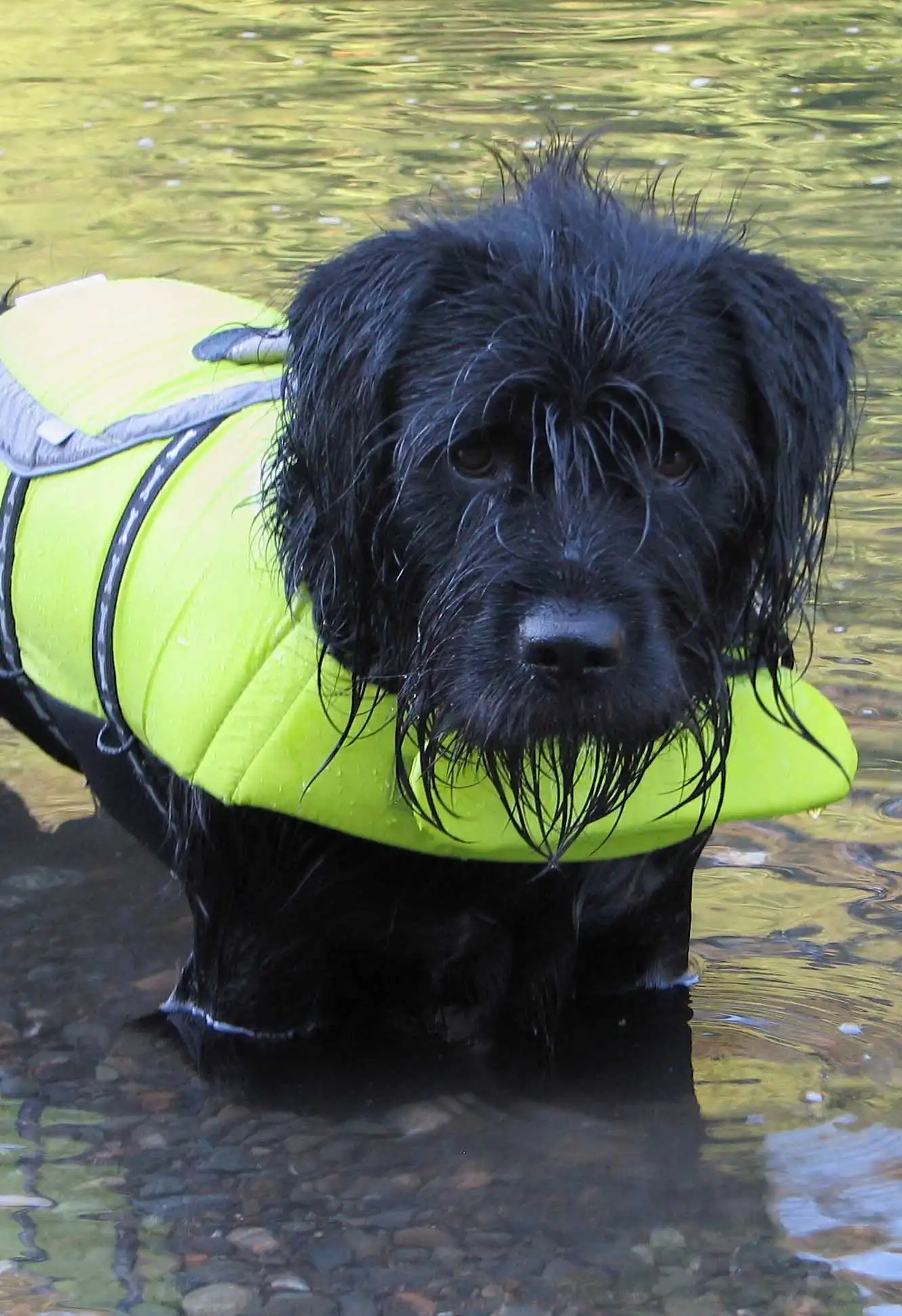
The Bascottie is a hybrid breed that emerges from the union of the Basset Hound and the Scottish Terrier. As a relatively new breed, it does not possess a unique historical narrative apart from that of its progenitors. The Bascottie's personality and physical characteristics are largely influenced by the Scottish Terrier, which has a well-documented past. The lineage of the Scottish Terrier can be traced back to the now-extinct Scotch Terrier, first noted by the Romans in 55 BC. They recognized these small dogs as agile hunters skilled in tracking their quarry underground, referring to them as Terrarii, a Latin term meaning "workers of the earth." Over time, the Terrier breed thrived as earth dogs in Scotland and England, eventually making their way to France and parts of Germany. By the 1800s, the Scottish Terrier had solidified its status as a wire-haired small Terrier within the Skye group, setting it apart from the smooth-coated Terriers prevalent in England. The Basset Hound, which originated in France, is thought to be a short-legged descendant of the St. Hubert Hound, now known as the Bloodhound. Initially bred as a curiosity for the aristocracy, the Basset Hound gained traction among the general populace following the French Revolution, as hunters found these dogs easy to keep up with during pursuits. This shift led to the Basset Hound being esteemed as a reliable hunting partner. Today, while the Bascottie resembles the Scottish Terrier more closely, its robust, short legs unmistakably showcase the classic features of the Basset Hound.
Breed Appearance
The Bascottie is a hybrid breed that merges characteristics of the Basset Hound and the Scottish Terrier, generally categorized as small to medium in size. This breed often displays features reminiscent of the Scottish Terrier, such as a wiry black coat, which can make it difficult to differentiate from its purebred relative. One of the most noticeable differences is that the Bascottie's ears are larger and set lower on its head, and its nose is slightly more pronounced compared to that of a Scottish Terrier. While Scottish Terriers are compact and low to the ground relative to their body size, the Basset Hound's physique is more pronounced. The Bascottie maintains this unique look, featuring robust legs and a body that is a bit longer than that of a Scottish Terrier. Its tail typically aligns with its back and may have a gentle curl, but it can also stand upright when the dog is excited, reflecting the traits inherited from its Scottish Terrier ancestry.

Care Routine
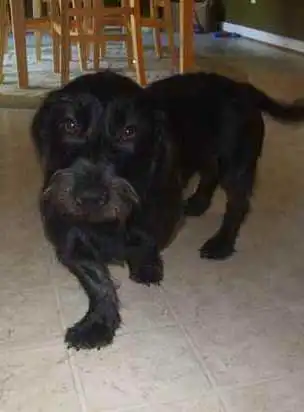
The Bascottie's double coat is characterized by longer hair that sheds less often. To keep this hybrid breed looking its best and to maintain the quality of its fur, regular brushing is crucial. It's advantageous to use a variety of brushes throughout the week, including stiff brushes, hound gloves, and wide-toothed combs, to promote a healthy coat. Interestingly, although the Bascottie is a descendant of the drooling Basset Hound, it does not typically drool, and its clean coat helps to minimize any unpleasant odors associated with hounds. While Basset Hounds have notably large ears, the Bascottie's ears are much smaller. However, it is recommended to clean your Bascottie's ears weekly with a solution suggested by your veterinarian to remove dirt, wax, and debris.
Behavior & Temperament
The Bascottie, a delightful mix of Scottish Terrier and Basset Hound, inherits a spirited personality that often comes across as serious. While they can be quite vocal when unhappy, they generally do not bark excessively. The Basset Hound influence lends a more even-tempered nature, making them affectionate towards children and other pets. This hybrid thrives on human interaction but tends to shy away from rough play, making them a better fit for older kids who understand how to engage with dogs appropriately. Although they are not particularly suspicious of strangers, Bascotties will take a moment to evaluate newcomers and form a quick judgment. It’s important to approach them with respect and a friendly demeanor, as their Scottish Terrier lineage makes them sensitive to human emotions. While this breed is clever, it can also show a hint of stubbornness. Thanks to their Basset Hound background, Bascotties often respond well to food-based training, but their Scottish Terrier independence means they may occasionally prefer to follow their own instincts.


Play & Exercise
Things to Know
Cups Per Day
0.0 Cups
Daily Activity
0 Minutes
Average Lifespan
0 Years
Origin
2000s
Type
Crossbreeds
Size
Not Set
Origin Country
United States
Brush Frequency
Daily
Coat Texture
Straight
Register
Your kids have been begging for a pet forever, and you've recently decided that it's time for your family to get a new addition -- a dog! While everyone is excited for the new arrival, you're wondering if you need to have a dog license. How much does it cost? Is it required? Where do you get one?
Member Clubs

PETINNATE
Other