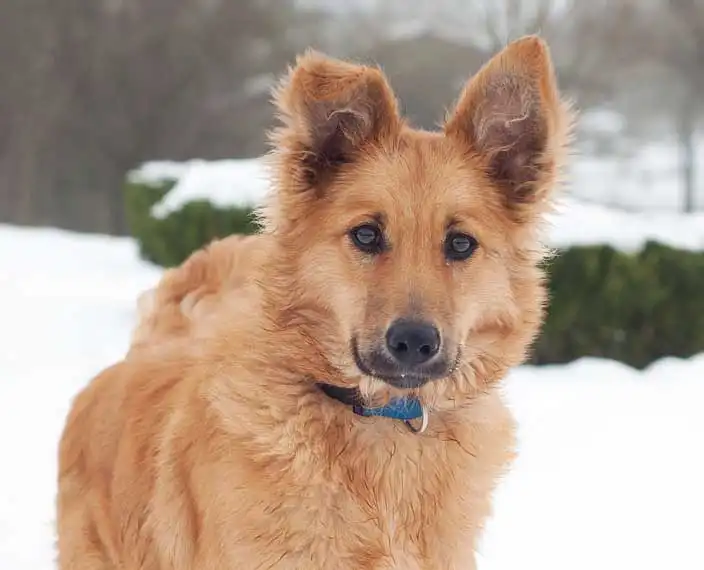
Basque Shepherd
Basque Herder, Pastor Vasco, Euskal Artzain Txakurra
The Basque Shepherd is a traditional dog breed hailing from Spain, categorized as a landrace breed, indicating that it has developed organically without formal registration. In contrast to more regulated breeds, landrace breeds such as the Basque Shepherd showcase a broader spectrum of physical characteristics and temperamental variations. This breed is distinguished by two primary varieties: the Gorbeiakoa and the Iletsua. Typically, these dogs are lively and intelligent, exhibiting a friendly demeanor towards people of all ages, although they may show some reserve around other animals. Despite its long-standing history, the breed is officially recognized solely by the Royal Canine Society of Spain.
Breed Origin
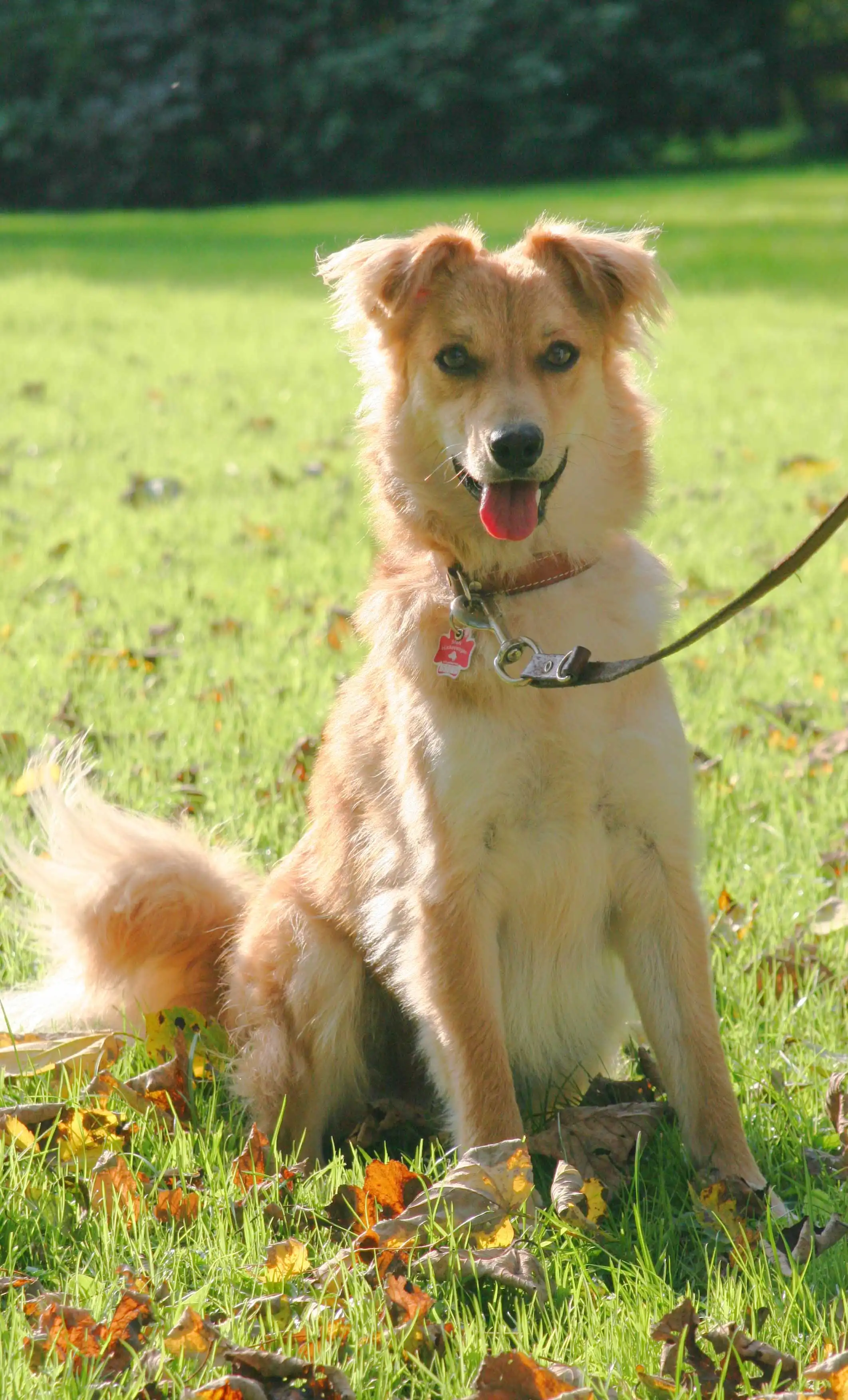
The Basque Shepherd is a venerable dog breed that has developed largely without human intervention and does not have an official registry. In the Basque language, it is called Euskal Artzain Txakurr, while in Spanish, it is known as Pastor Vasco. This breed has a long history of partnership with humans, dating back thousands of years. Archaeological discoveries, including skeletal remains that resemble the Basque Shepherd, have been found in Neolithic caves, dating back around twelve millennia. Furthermore, artworks from the 16th century depict dogs that closely resemble contemporary Basque Shepherds. Although a comprehensive history of the breed is not well-documented, it is widely believed that the modern Basque Shepherd descends from herding dogs that originated in Central Europe. Historically, these dogs have been utilized to herd sheep across the rugged landscapes of Northern Spain, where the Basque community is primarily located, but they are also adept at managing other livestock, including chickens, cows, and horses. Experts indicate that the Gorbeiakoa variety is older than the bearded Iletsua variety. The population of Basque Shepherds experienced a significant decline in the late 19th and early 20th centuries due to predation by wolves. However, extermination efforts in the 1950s and 60s greatly diminished the Iberian wolf population, enabling nearly all registered Basque Shepherds today to continue their work with livestock. Basque immigrants and travelers who arrived in America during the 1950s brought their herding dogs with them, and it is widely believed that these dogs played a role in the development of the Australian Shepherd breed.
Breed Appearance
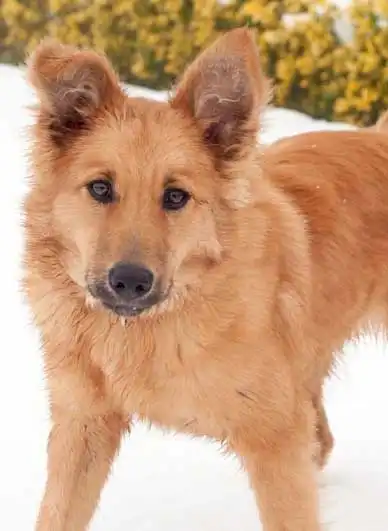
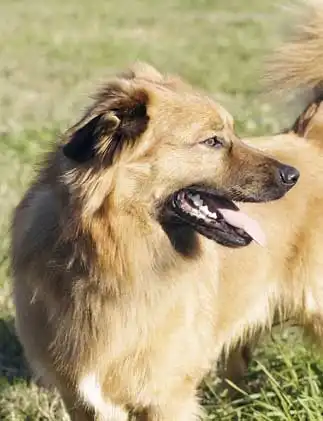
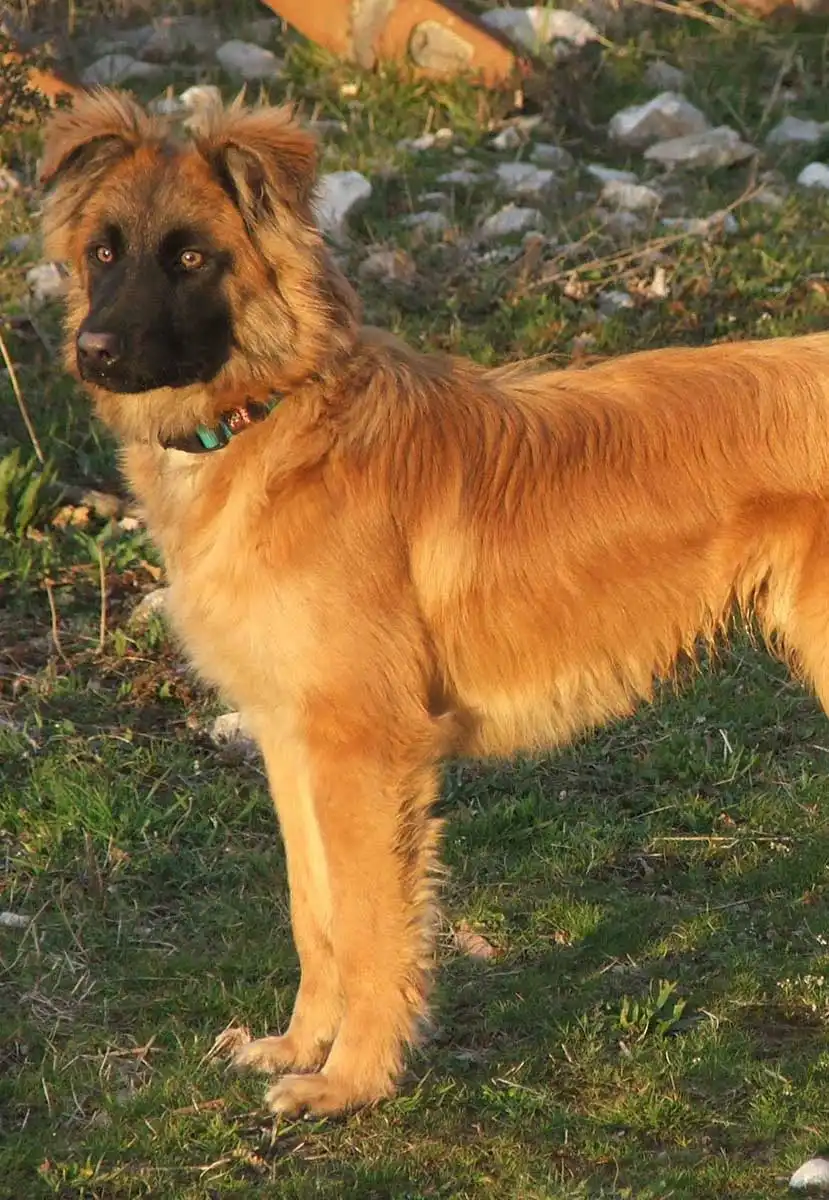
There are two primary varieties of Basque Shepherd: the Gorbeiakoa and the Iletsua. This breed is categorized as medium-sized, generally weighing around fifty pounds and standing between eighteen and twenty-five inches tall. Basque Shepherds have a somewhat square build, marked by a moderately broad and deep chest, along with robust, straight legs. Their heads are long and wide, with relatively elongated and light muzzles. The Iletsua variety tends to be taller and more slender compared to the Gorbeiakoa, featuring slightly more rectangular head shapes. Both types possess medium-sized triangular ears that can either stand upright or fold forward. In terms of coloration, both varieties have black noses and eyes that may be brown or amber; however, the Gorbeiakoa is characterized by almond-shaped eyes, while the Iletsua has oval-shaped eyes. The Gorbeiakoa Basque Shepherd typically has a thick coat that ranges from short to medium in length, predominantly in shades of red, although some individuals may be blonde or fawn. Conversely, the Iletsua variety has a slightly longer coat with coarser fur, usually found in blonde or fawn, but it can also appear in red hues.
Care Routine
Although the two types of Basque Shepherds exhibit distinct differences in their appearance and coat texture, their grooming requirements are largely alike. These dogs should be bathed only a few times a year, as frequent washing can strip away the natural oils vital for keeping their fur healthy. A daily brushing is typically enough to remove tangles and dirt from their relatively thick, dirt-resistant coats. Special attention should be given to the ears of the Basque Shepherd, particularly since many have drooping ears that can be prone to infections. Furthermore, it’s essential to start dental and nail care early in their lives, helping them become accustomed to a routine of weekly teeth cleaning and monthly nail trimming.
Behavior & Temperament
Basque Shepherd dogs are celebrated for their loving and sociable disposition, thriving in the presence of family members across all age groups. They take pleasure in being physically close to their loved ones. Generally gentle and affectionate towards children, they also display a strong loyalty to the entire family, though they can occasionally become overly protective. Their high energy levels might be overwhelming for younger kids, resulting in unintentional bumps and spills. These dogs have a natural instinct to guard their territory, which can make them wary of strangers. However, with proper introductions, they quickly showcase their friendly nature. While Basque Shepherds are typically amiable with people, they require socialization to interact harmoniously with other animals. This breed is intelligent and eager to please, which makes training relatively straightforward. Nonetheless, they may lose interest if training sessions become too monotonous. Their playful spirit and tendency to test boundaries highlight the need for a blend of creativity and consistency in training to keep them engaged.
Play & Exercise
The Basque Shepherd is an exceptionally lively breed, known for its agile build and keen intelligence. These dogs require plenty of physical activity and mental stimulation; lacking these, they can easily become restless, resulting in behavioral problems that may be difficult to manage. This breed flourishes in open spaces and is not well-suited for apartment living. In addition to their inherent herding skills, Basque Shepherds shine in a range of activities, including agility competitions, freestyle dog dancing, and parkour. While they are not primarily bred for swimming, many enjoy being in the water and demonstrate impressive swimming abilities.
Things to Know
Cups Per Day
2.0 Cups
Daily Activity
90 Minutes
Average Lifespan
13 Years
Origin
Ancient Times
Type
Pure Breeds
Size
Medium
Origin Country
Spain
Brush Frequency
Daily
Coat Texture
Wavy
Register
Your kids have been begging for a pet forever, and you've recently decided that it's time for your family to get a new addition -- a dog! While everyone is excited for the new arrival, you're wondering if you need to have a dog license. How much does it cost? Is it required? Where do you get one?
Member Clubs

PETINNATE
Other
Height & Weight
Weight
56 lbs (25 kg)Male: 60 lbs (27 kg) , Female: 52 lbs (24 kg)
Height
21 inches (53 sm)Male: 22 inches (56 sm) , Female: 21 inches (53 sm)
6 Months
36 lbs ( m 36 lbs, f 36 lbs )
17 inches ( m 17 inches, f 17 inches )
12 Months
44 lbs ( m 44 lbs, f 44 lbs )
19 inches ( m 19 inches, f 19 inches )
18 Months
51 lbs ( m 51 lbs, f 51 lbs )
20 inches ( m 20 inches, f 20 inches )
Eye Colors
Brown

Amber
Nose Colors
Black
Coat Colors
Red

Isabella

Fawn