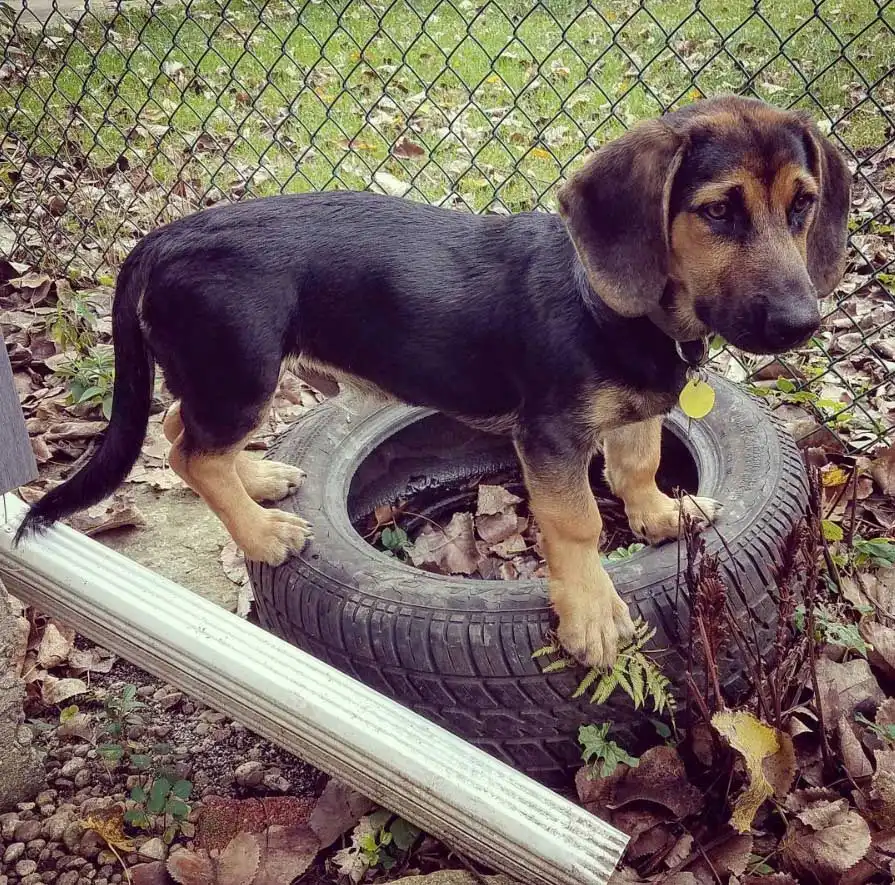
Basset Shepherd
Shepherd Hound
Breed Origin
The Basset Shepherd is a relatively recent breed, which results in a scarcity of documented history regarding its origins. Nevertheless, we can delve into the histories of its parent breeds. The German Shepherd, for instance, was created in 19th-century Germany for military and police functions. Renowned for its intelligence and versatility, the German Shepherd quickly became popular worldwide and received official recognition from the American Kennel Club in 1912. Despite experiencing a dip in reputation during World War I due to its ties with the enemy, the breed made a remarkable resurgence, largely attributed to a famous German Shepherd named Rin Tin Tin, who appeared in films. This breed ultimately held the title of the most popular dog in the United States for an extended period. Conversely, the Basset Hound boasts a rich history as a hunting dog, tracing its roots back to France around the 7th century before arriving in the United States in the early 1800s. It may come as a surprise that these medium-sized dogs, characterized by their distinctive floppy ears, were once utilized for hunting; however, their remarkable sense of smell made them highly effective in that role. The Basset Hound gained additional fame after being featured in a marketing campaign for Hush Puppy shoes, which contributed to a surge in their popularity. Known for their playful nature and stubbornness, Basset Hounds are beloved as both hunting partners and devoted pets.
Breed Appearance
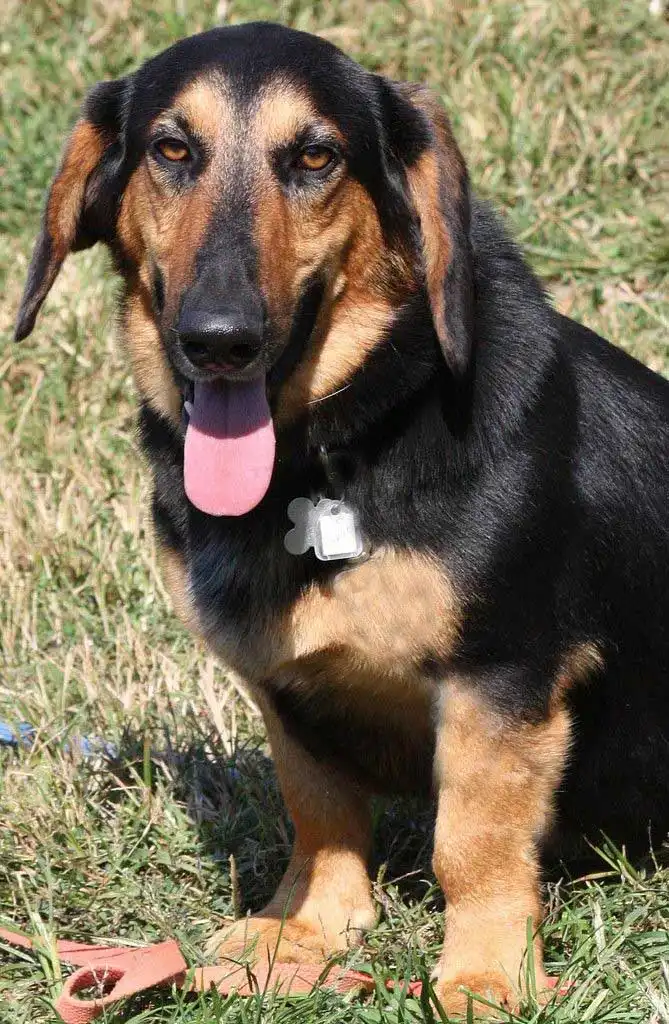
Basset Shepherds display a blend of traits from their parent breeds. They have the distinctive body shape of a Basset Hound, marked by shorter legs and a long torso, while often exhibiting the coloration and facial features associated with German Shepherds. Their ears are floppy and shorter compared to those of a Basset Hound, which pairs well with their pointed snout, and their dark brown eyes convey a sense of intelligence and expressiveness. While German Shepherds can weigh as much as 90 pounds, Basset Shepherds typically do not exceed 75 pounds. This breed usually stands between 12 and 20 inches tall at the shoulder, reflecting the Basset Hound's more compact height. The color patterns of the Basset Shepherd are reminiscent of a German Shepherd, showcasing a dark muzzle, brown eyes, and a tan coat highlighted by a black saddle across the back.

Care Routine
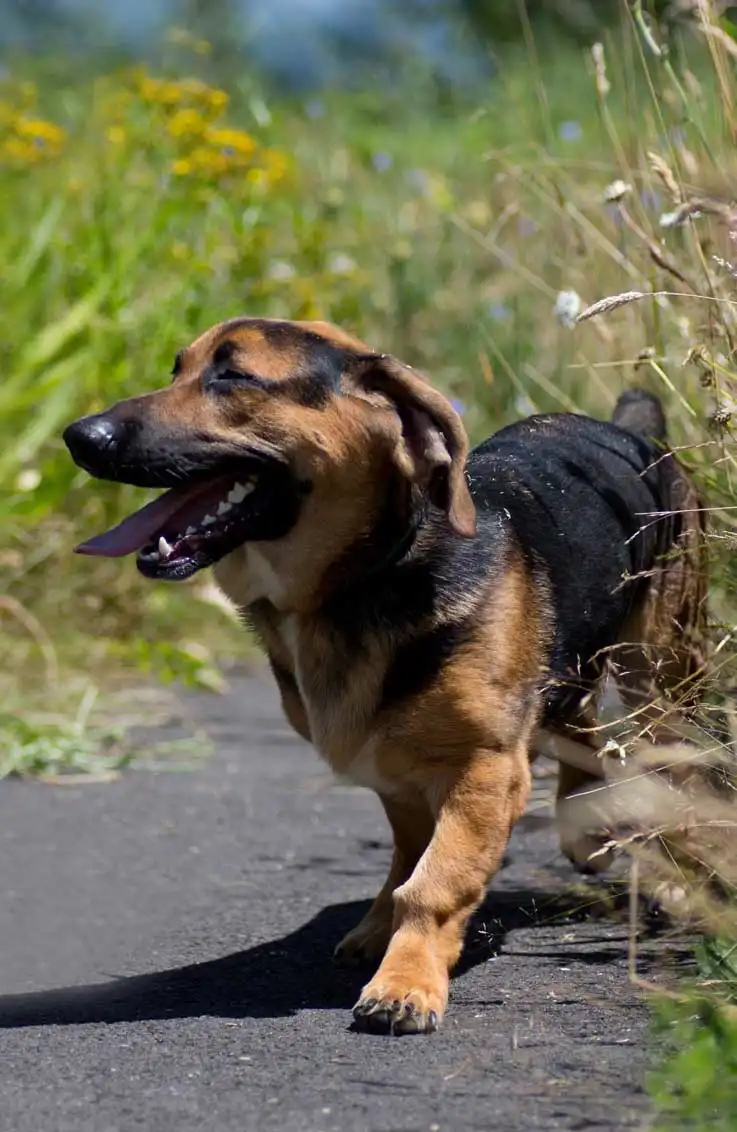
Ensuring the well-being of your dog is vital, no matter the breed. For Basset Shepherds, which typically come from breeds that shed moderately to heavily, consistent grooming is key to managing shedding. It’s advisable to brush your Basset Shepherd at least twice a week with a rubber brush and to bathe them as necessary. Alongside brushing, regular ear cleaning is crucial. Their floppy ears can retain moisture and debris, increasing the risk of infections and irritation. Always make sure to dry their ears thoroughly after cleaning or swimming. Furthermore, trimming your dog’s nails every few weeks is important for maintaining healthy paws. If you can hear their nails clicking on the floor as they walk, it’s definitely time for a trim!
Behavior & Temperament
When two different dog breeds are combined, the puppies produced can inherit a wide range of traits, making it difficult to predict their exact behavior. Nevertheless, the Basset Shepherd is generally known for its calm, courageous, and loving nature, which makes it an excellent candidate for families with children of any age. These favorable qualities arise from the intelligence and gentle disposition found in both parent breeds. While the Basset Hound may exhibit some stubbornness and is recognized for its skills in guarding and hunting, it typically has a balanced and non-aggressive temperament. In contrast, the German Shepherd is celebrated for its confidence and bravery, along with a friendly demeanor and ease of training. It’s important to emphasize that early socialization is essential for all dogs, regardless of their breed. By introducing your dog to a variety of people and other animals, you can help him reach his full potential. In conclusion, the Basset Shepherd is a fantastic option for families and first-time dog owners, characterized by its relaxed personality and eagerness to please.
Play & Exercise
The Basset Shepherd, rooted in a history of hunting and labor, is a breed brimming with energy and requires a robust daily exercise regimen. In contrast, the Basset Hound, which has also served as a hunting companion, tends to have a more laid-back personality but still needs an outlet for its considerable energy. Likewise, the German Shepherd, recognized for its energetic nature, shares the Basset Hound's requirement for physical activity, as both breeds are working dogs that flourish when they can expend their energy through exercise. There are various effective methods to ensure your dog receives adequate exercise, such as training sessions, jogging, long walks, trips to dog parks, and hiking excursions. Regardless of the approach you take, it’s vital to invest quality time in active engagements with your Basset Shepherd. While they are delightful companions, a lack of exercise can result in destructive behaviors and unwanted weight gain. Given their high to very high energy levels, prioritizing regular physical activity is essential for fostering good behavior and overall health.
Things to Know
Cups Per Day
0.0 Cups
Daily Activity
0 Minutes
Average Lifespan
12 Years
Origin
2000s
Type
Crossbreeds
Size
Not Set
Origin Country
United States
Brush Frequency
Daily
Coat Texture
Straight
Register
Your kids have been begging for a pet forever, and you've recently decided that it's time for your family to get a new addition -- a dog! While everyone is excited for the new arrival, you're wondering if you need to have a dog license. How much does it cost? Is it required? Where do you get one?
Member Clubs

PETINNATE
Other
Height & Weight
Weight
61 lbs (28 kg)Male: 63 lbs (29 kg) , Female: 59 lbs (27 kg)
Height
16 inches (41 sm)Male: 16 inches (41 sm) , Female: 16 inches (41 sm)