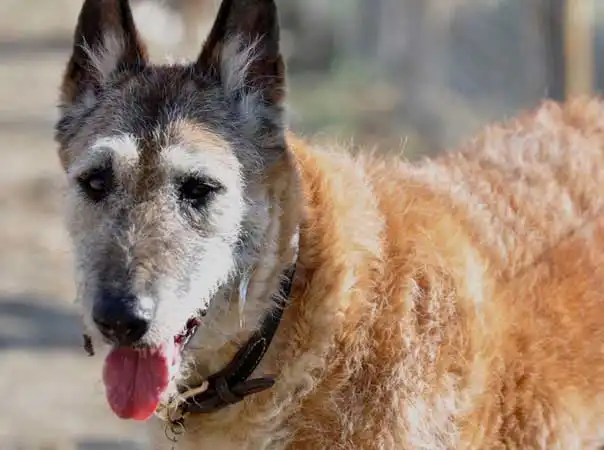
Belgian Laekenois
Chien de Berger Belge
The Belgian Laekenois is distinguished as the rarest and least recognized of the four Belgian Sheepdog varieties. In the UK and many other regions, these four types—Laekenois, Groenendael, Malinois, and Tervuren—are often grouped together as a single breed. Originally developed for herding livestock, the Belgian Laekenois has since taken on a variety of roles, including herding, law enforcement, bomb and drug detection, search and rescue, and even as therapy dogs. This breed is known for its intelligence and protective instincts, boasting a strong and well-proportioned build. Typically, a Belgian Laekenois weighs between 55 and 65 pounds, with females measuring 22 to 24 inches in height and males ranging from 24 to 26 inches. Fortunately, this breed is generally healthy and tends to form deep connections with one or two family members. It’s essential to recognize that these dogs flourish when given a purpose; without a task, they may engage in destructive behaviors out of boredom.
Breed Origin
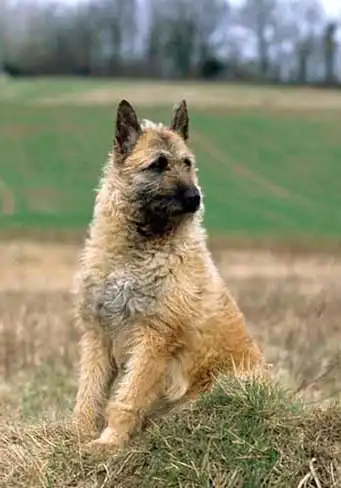
The Laekenois, a herding dog that hails from Belgium, takes its name from the town of Laeken, where these dogs were traditionally used to oversee and protect livestock. It is thought to be the oldest of the Belgian Shepherd breeds, originally developed to safeguard the fields in Antwerp where fine linens were spread out to bleach under the sun. The early history of the Laekenois is somewhat unclear until 1891, when Belgian dog enthusiasts formed the Belgian Shepherd Dog Club, which began the process of classifying and naming various herding breeds. This pivotal moment helped elevate the breed's popularity beyond agricultural roles, leading to its use in police and military capacities. During wartime, the Laekenois notably served as messenger dogs. In 1991, the United Kennel Club recognized the Belgian Shepherd as a single breed with four distinct varieties. While the American Kennel Club has acknowledged the Belgian Malinois, Groenendael, and Tervuren, it has not yet granted official recognition to the Laekenois. Nevertheless, the breed has recently been included in the American Kennel Club’s Miscellaneous Class, representing a significant advancement toward full recognition.
Breed Appearance
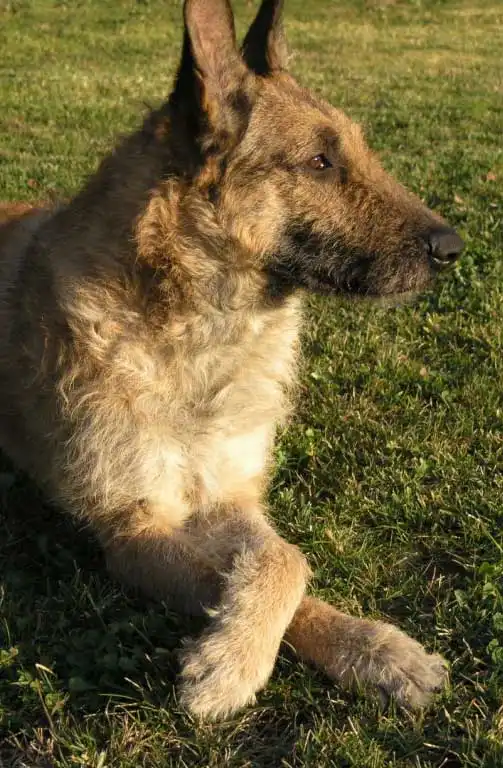
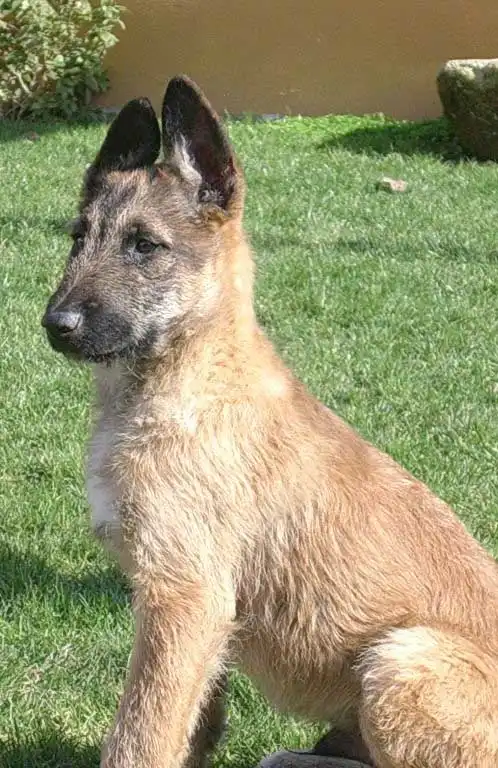
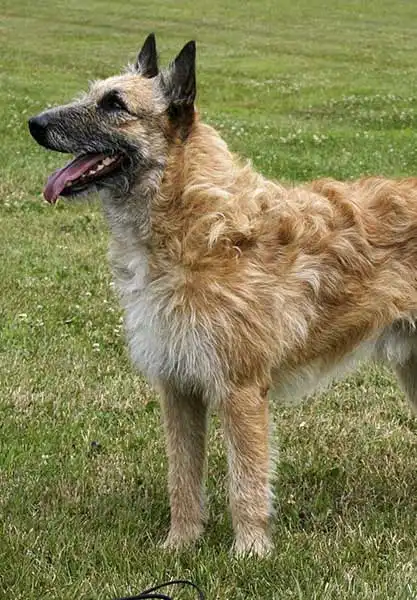
The Belgian Laekenois is characterized by a strong and well-balanced build, generally weighing between 55 and 65 pounds. Its wiry coat can grow up to two inches in length. This impressive breed has straight front legs and powerful hindquarters, with round feet that resemble those of a cat. The Laekenois possesses dark eyes that reflect intelligence and alertness. Its ears sit high on the head, and the muzzle narrows down to a black nose. The breed has a level bite, and its overall look is complemented by a fluid, graceful gait that moves effortlessly from head to tail.
Care Routine
The Belgian Laekenois is a dog breed that requires relatively little upkeep. It is advisable to give its coarse, wiry coat a light trim at least twice a year. Regularly removing dead or excess hair is important, and using a coarse-toothed comb for weekly grooming will help eliminate dead hair while also distributing the skin's natural oils. This breed is characterized by minimal shedding, although it does shed throughout the year. During peak shedding periods, more frequent brushing can be advantageous. Bathing should be kept to a minimum, as too much washing can strip the coat of its waterproof properties; fortunately, regular brushing often reduces the need for baths. Nail trimming should be performed as necessary, and it’s essential to keep the ears clean and dry to avoid infections. Additionally, regular tooth brushing with veterinarian-recommended toothpaste is advisable. Ideally, a medium-sized fenced yard is suitable for these dogs, providing them with space to play and run. However, they can also adapt well to homes without a yard, provided they receive sufficient exercise. Daily physical activity is vital for their overall health and emotional well-being.
Behavior & Temperament
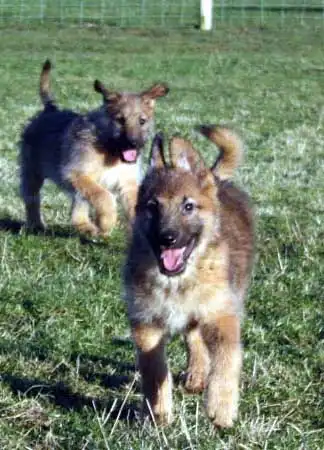
The Belgian Laekenois breed is celebrated for its sharp intelligence and desire to please, along with a strong protective instinct for its territory. When introduced to various environments early on, these inquisitive dogs flourish in family settings, especially around children, making them excellent companions. However, given their herding heritage, it's important to exercise caution when introducing them to smaller non-canine pets. With proper socialization, they typically get along well with cats. It's also important to note that they may occasionally attempt to assert dominance over other dogs, so consistent training from an early age is crucial. Belgian Laekenois are deeply loyal to their families and enjoy spending quality time with their owners. To avoid boredom—which can result in destructive behavior—it's essential to keep them engaged with various activities. Engaging in obedience training and agility classes can offer the mental stimulation and physical exercise they need outside the home. Furthermore, effective training can help reduce behaviors like nipping, which is common in herding breeds, as they may have a natural tendency to chase, circle, or nip at people's heels.
Play & Exercise
Things to Know
Cups Per Day
2.5 Cups
Daily Activity
60 Minutes
Average Lifespan
13 Years
Origin
1800s
Type
Pure Breeds
Size
Large
Origin Country
Belgium
Brush Frequency
Weekly
Coat Texture
Wiry
Register
Your kids have been begging for a pet forever, and you've recently decided that it's time for your family to get a new addition -- a dog! While everyone is excited for the new arrival, you're wondering if you need to have a dog license. How much does it cost? Is it required? Where do you get one?
Member Clubs

PETINNATE
Other

AKC
Miscellaneous Class
Height & Weight
Weight
60 lbs (27 kg)Male: 60 lbs (27 kg) , Female: 60 lbs (27 kg)
Height
24 inches (61 sm)Male: 25 inches (64 sm) , Female: 23 inches (58 sm)
6 Months
38 lbs ( m 38 lbs, f 38 lbs )
10 inches ( m 10 inches, f 10 inches )
12 Months
51 lbs ( m 51 lbs, f 51 lbs )
14 inches ( m 14 inches, f 14 inches )
18 Months
60 lbs ( m 60 lbs, f 60 lbs )
19 inches ( m 19 inches, f 19 inches )
Eye Colors
Brown

Nose Colors
Black