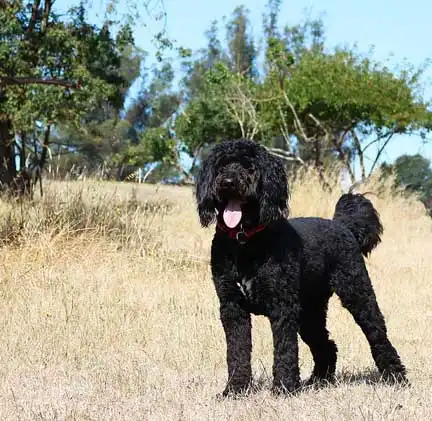
Belgian Shepadoodle
Belgian Sheepdoodle
The Belgian Shepadoodle is a breed celebrated for its intelligence, high energy levels, and protective instincts. This hybrid inherits traits from two highly active parent breeds that require plenty of exercise, affection, and mental engagement. The Belgian Sheepdog, known for its assertive personality, plays a significant role in shaping the Shepadoodle's character. Originating from Belgium, the Belgian Sheepdog is paired with the Poodle, which has its roots in Germany and France. When it comes to grooming, the Poodle demands the most care—not primarily due to shedding, but because it requires more frequent grooming sessions. In comparison, the Belgian Sheepdog has moderate grooming needs. This mixed breed can be a fantastic addition to any home, provided it receives sufficient physical activity and mental stimulation in its daily life. They are particularly adept as watchdogs and family protectors, often showing a remarkable ability to read their human family's body language. To promote healthy socialization as they grow, it is essential to expose puppies to strangers and other animals early in their training.
Breed Origin
The Belgian Shepadoodle is a relatively new hybrid breed, and its background is not thoroughly chronicled. This breed emerges from the crossbreeding of the Belgian Sheepdog, particularly the Groenendael variety, and the Standard Poodle. The Belgian Sheepdog has its origins in Belgium, dating back to the 1800s, where it was prized for its herding skills and its protective role for both families and farms. Renowned for its strong work ethic, this breed has found utility not only in agricultural environments but also in contemporary police work and as a family pet. The modern Belgian Sheepdog was developed by Nicholas Rose, who founded his kennel in 1893. During World War II, dogs from this kennel played crucial roles as messengers, guard dogs, and specialized agents, highlighting the breed's enduring characteristics. Although the American Kennel Club (AKC) does not officially recognize the Belgian Sheepdog as a separate breed, it classifies it into four distinct "varieties": the Belgian Groenendael (long-haired black), the Belgian Tervuren (long-haired fawn/mahogany), the Belgian Malinois (short-haired fawn/mahogany), and the Belgian Laekenois (rough-haired fawn). The hybrid Belgian Shepadoodle is specifically bred from the Belgian Groenendael. In contrast, the Standard Poodle offers more than just its elegant coat to the Shepadoodle. Originally bred as a water retriever, the Poodle's exact origins are somewhat ambiguous, but it is thought to date back to the 1400s. This breed has been employed for hunting and retrieving, demonstrating its versatility as a companion in both Germany and France. The Poodle is among the oldest breeds recognized by the AKC and continues to rise in popularity, currently holding the seventh position on the AKC's list of most favored breeds in the United States and beyond.
Breed Appearance
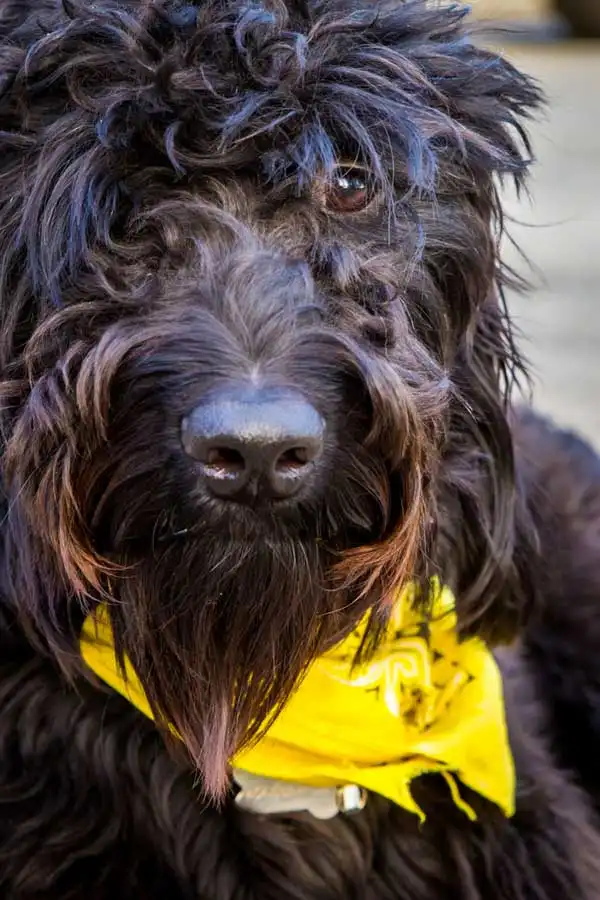
The Belgian Shepadoodle is a mixed breed resulting from the cross between a Belgian Shepherd, particularly the Groenendael variety known for its luxurious black coat, and a Standard Poodle, which comes in a diverse range of colors, including apricot and black, with coat textures that can be soft and curly or coarse and wiry. Identifying the exact color of a Belgian Shepadoodle can be tricky, as it largely hinges on which parent's genetic characteristics are more dominant. Generally, this breed tends to be of moderate to large size, sporting a coat that is typically medium in length and may have a somewhat rough feel. You can expect them to have medium-length, floppy ears, a rounded head, and a long, sturdy muzzle. Their facial expressions can vary from an adorable "cuddly teddy bear" appearance to one that reflects alertness and intelligence, again shaped by the genetics of the dominant parent. Moreover, their tails often curl over their backs, and their eyes are sharp and watchful.


Care Routine
The Belgian Shepadoodle, like many other dog breeds, requires consistent dental care to avoid gum disease and tooth loss. Its grooming needs are typically moderate, necessitating brushing at least twice a week and occasional baths, in addition to the daily grooming that stems from its Standard Poodle heritage. Since the Belgian Shepherd parent is known for significant shedding, regular brushing is crucial, especially in households with allergy sufferers or those with asthma and other respiratory issues. Furthermore, due to the likely folded ears inherited from the Standard Poodle, it’s essential to inspect and clean the ears weekly to prevent infections that can arise from this ear structure. Fortunately, both parent breeds are recognized for their low odor.
Behavior & Temperament
The temperament of a Belgian Shepadoodle is significantly influenced by the traits inherited from its primary parent breed. Both the Belgian Shepherd (Groenendael) and the Standard Poodle share common characteristics such as alertness, high energy, intelligence, loyalty, and playfulness. While the Belgian Shepherd may contribute traits like aggression, protectiveness, and independence, the Standard Poodle is generally more affectionate, lively, and responsive. Both breeds are highly sensitive to body language and nonverbal signals, making early socialization essential for ensuring they interact well with unfamiliar people. They are known for their frequent barking; however, the Belgian Shepherd is less likely to exhibit mouthiness—meaning they are less prone to nipping or biting during play—whereas the Standard Poodle tends to show a greater inclination in this area, likely due to their background as retrievers. These breeds typically get along well with children and cats, making them a good choice for first-time dog owners, provided they can handle the high energy levels characteristic of both breeds. In terms of hunting instincts, the Belgian Shepherd is more likely to engage in such activities, while the Standard Poodle shows minimal interest. Both breeds have a tendency to wander, but the Belgian Shepherd poses a higher risk in this regard compared to the Standard Poodle, which is considered to have a moderate risk. Thanks to their intelligence and energy, both breeds are relatively easy to train; however, the independent nature of the Belgian Shepherd may pose some challenges during training sessions.
Play & Exercise
The Belgian Shepadoodle is a lively breed that inherits its energetic disposition from both of its parent breeds, renowned for their enthusiasm for running, jumping, and playing for long stretches, whether inside or outside. These clever dogs need a mix of mental challenges and physical exercise to stave off boredom, as they can exhibit destructive tendencies if not adequately stimulated—particularly a trait associated with the Belgian Shepherd. Given their high energy, they are not ideal for apartment living; instead, they flourish in homes with a secure, fenced yard where they can play freely, whether in an urban or rural environment. Both parent breeds are known for their deep loyalty and sensitivity towards their families, so leaving them outdoors for extended periods can adversely affect their emotional health. While they can adapt to various climates, it’s crucial to ensure they aren’t left alone outside for too long. Activities like advanced obedience training can significantly boost their happiness and overall well-being. They also take pleasure in chasing and retrieving toys, including Frisbees, sticks, bones, and tug-of-war items.
Things to Know
Cups Per Day
0.0 Cups
Daily Activity
0 Minutes
Average Lifespan
12 Years
Origin
Unknown
Type
Crossbreeds
Size
Not Set
Origin Country
United States
Brush Frequency
Daily
Coat Texture
Straight
Register
Your kids have been begging for a pet forever, and you've recently decided that it's time for your family to get a new addition -- a dog! While everyone is excited for the new arrival, you're wondering if you need to have a dog license. How much does it cost? Is it required? Where do you get one?
Member Clubs

PETINNATE
Other
Height & Weight
Weight
50 lbs (23 kg)Male: 53 lbs (24 kg) , Female: 48 lbs (22 kg)
Height
24 inches (61 sm)Male: 24 inches (61 sm) , Female: 24 inches (61 sm)