Boston Chin
The Boston Chin is a charming hybrid breed that emerges from the combination of a Boston Terrier and a Japanese Chin. This blend creates a dog that is ideally suited for apartment living, making it a wonderful option for various families. While they typically showcase features reminiscent of the Boston Terrier, some Boston Chins may sport longer fur. This hybrid inherits the playful and proud spirit of the Japanese Chin, along with the gentle intelligence characteristic of the Boston Terrier. Known for their loyalty and eagerness to please, Boston Chins are fantastic companions. They respond well to consistent, gentle training that incorporates praise and small treats as incentives. However, they thrive best under the direction of a confident leader; if given too much freedom, they risk developing "small dog syndrome," which can lead to behavioral issues. Their appealing size, attractive looks, and loving disposition contribute to the increasing popularity of this delightful breed.
Breed Origin
The Boston Chin is an intriguing new hybrid breed that results from the crossbreeding of a Boston Terrier and a Japanese Chin. This breed is becoming increasingly popular among families living in apartments, although it still needs regular physical activity. While detailed information about the Boston Chin's breeding history is scarce, the characteristics of its parent breeds are distinctly reflected in its appearance and temperament. The Boston Chin has historical roots in an ancient toy breed that can be traced back to the Tibetan spaniel. Its lineage connects to China, where dogs resembling this breed have been illustrated on ancient pottery and featured in the art of historic Chinese temples. The earliest documentation of this breed dates back to the 1600s in Europe, when Princess Catherine of Braganza received Japanese Chins as a gift from Portuguese sailors. In 1853, Admiral Commodore Perry gifted Queen Victoria a pair of Japanese Chins after his expedition to Japan. Unfortunately, the breed faced a decline in Japan due to the effects of World War I and various natural disasters. The American Kennel Club officially recognized the breed in 1977. The Boston Chin's other parent, the Boston Terrier, was created through the selective breeding of bull and terrier types originally used for pit fighting. It may come as a surprise that the Boston Terrier has such a fierce ancestry, considering its current image as a gentle and affectionate companion. This breed is one of the earliest developed in the United States, with its origins in Boston, Massachusetts. In 1865, coachmen for wealthy Boston businessmen began interbreeding the dogs owned by their employers, which ultimately led to the establishment of the Boston Terrier. The American Kennel Club recognized this breed in 1893. Despite its name, the Boston Terrier has evolved far from its aggressive roots, and when paired with the Japanese Chin, it produces the delightful Boston Chin, which showcases the best traits of both parent breeds.
Breed Appearance
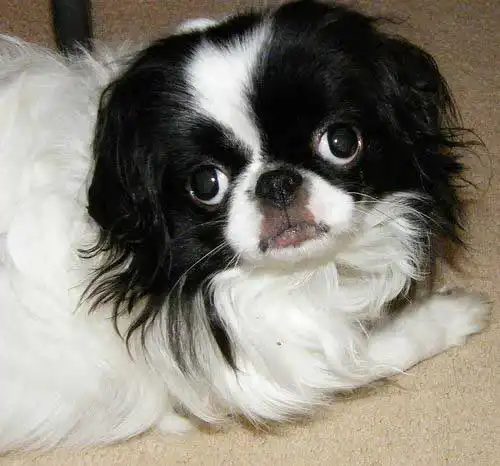
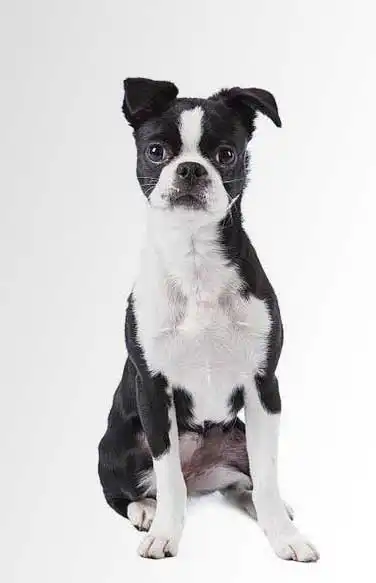
The Boston Chin's physical characteristics are shaped by the genetic traits inherited from its parent breeds. These dogs are compact and well-balanced, showcasing a more refined build than the stockier Boston Terrier. They have a broad head with almond-shaped eyes that often exude a distinctive Oriental allure. Their short muzzle, a trait shared by both parent breeds, is proportionate to the size of their head. The ears are triangular and can either stand semi-erect or droop, influenced by their genetic heritage. Additionally, the Boston Chin may have ear fringes, reflecting its Oriental ancestry. This breed is celebrated for its elegant demeanor, enhanced by a long, tapered tail that may also feature fringes and is typically held high over the back. Their legs are straight, with short limbs and small, rounded paws.


Care Routine
The Boston Chin requires weekly brushing to effectively manage shedding. Using a sturdy brush will help remove loose hair and keep your home tidy. If your Boston Chin has fringes, consistent brushing is essential to prevent matting. This breed inherits its grooming instincts from the Japanese Chin, known for its self-grooming tendencies, while its robust physique is derived from the Boston Terrier. An occasional bath with a quality dog shampoo is adequate, or you can simply wipe them down with a damp cloth to maintain their appearance. Additional care involves checking their ears for any buildup and brushing their teeth regularly. It's also important to trim their nails consistently for overall upkeep. Although these dogs need daily exercise to remain healthy, they do not require extensive walks or long runs. As companion animals, they thrive in the presence of their loving families.
Behavior & Temperament
The Bostin Chin is a wonderful companion—sensitive, smart, and with a hint of independence. This graceful small breed is full of life and character. They are well-mannered and quick learners, but they can become bored easily, so it's important to provide them with stimulating activities. To train them effectively, sessions should be enjoyable and diverse; with patience and consistency, these dogs will quickly learn commands. They are lively and enthusiastic, always ready to participate in family activities. Naturally playful, Bostin Chins are gentle with young children and get along well with other pets. Although they are small, they can show stubbornness if not led by a firm owner, making regular training crucial for instilling good behavior. With their delightful and playful nature, Bostin Chins fit effortlessly into family life.


Play & Exercise
The Boston Chin values regular physical activity, especially if it inherits characteristics from the Boston Terrier. They find joy in leisurely strolls through the park or participating in family games. Given their small stature, it's essential to be mindful to prevent accidentally stepping on or tripping over them. These dogs also excel in mental stimulation, relishing games like hide and seek and various training challenges. Known for their deep loyalty, they love to snuggle on your lap, soaking up your affection. If left alone for too long, they may suffer from loneliness or separation anxiety, unless they have the company of another dog or cat. The Boston Chin is well-suited for apartment living but can also adapt easily to a home with a yard.
Things to Know
Cups Per Day
1.0 Cups
Daily Activity
40 Minutes
Average Lifespan
14 Years
Origin
Unknown
Type
Crossbreeds
Size
Small
Origin Country
United States
Brush Frequency
Weekly
Coat Texture
Straight
Register
Your kids have been begging for a pet forever, and you've recently decided that it's time for your family to get a new addition -- a dog! While everyone is excited for the new arrival, you're wondering if you need to have a dog license. How much does it cost? Is it required? Where do you get one?
Member Clubs

PETINNATE
Other
Height & Weight
Weight
12 lbs (5 kg)Male: 13 lbs (6 kg) , Female: 12 lbs (5 kg)
Height
12 inches (30 sm)Male: 13 inches (33 sm) , Female: 12 inches (30 sm)
Eye Colors
Brown

Nose Colors
Black
Coat Colors
Black

White