Boweimar
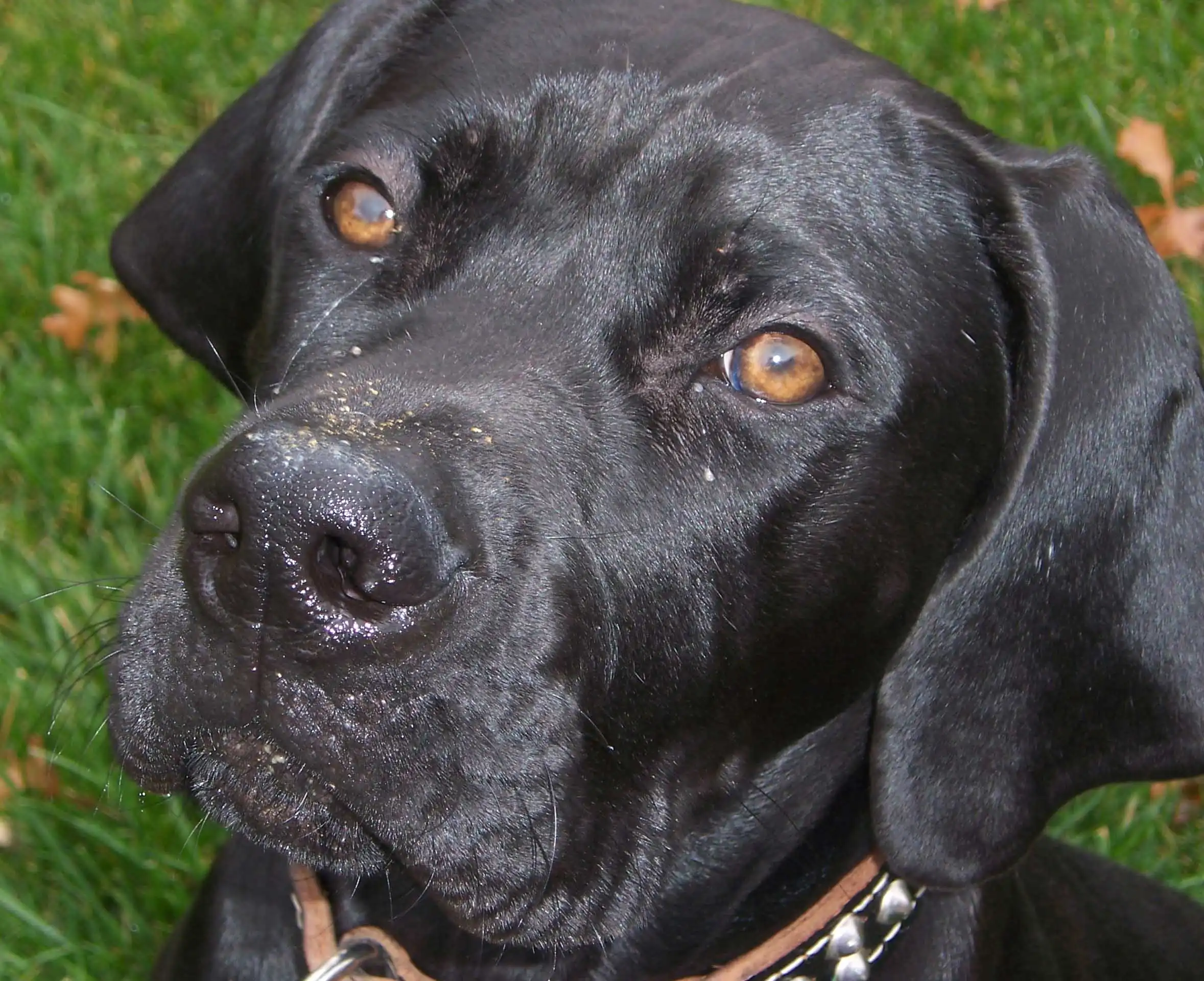
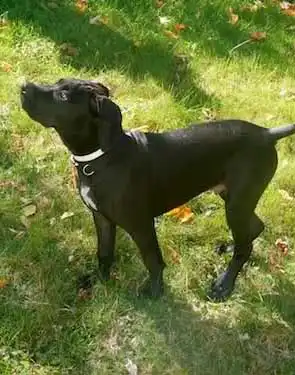
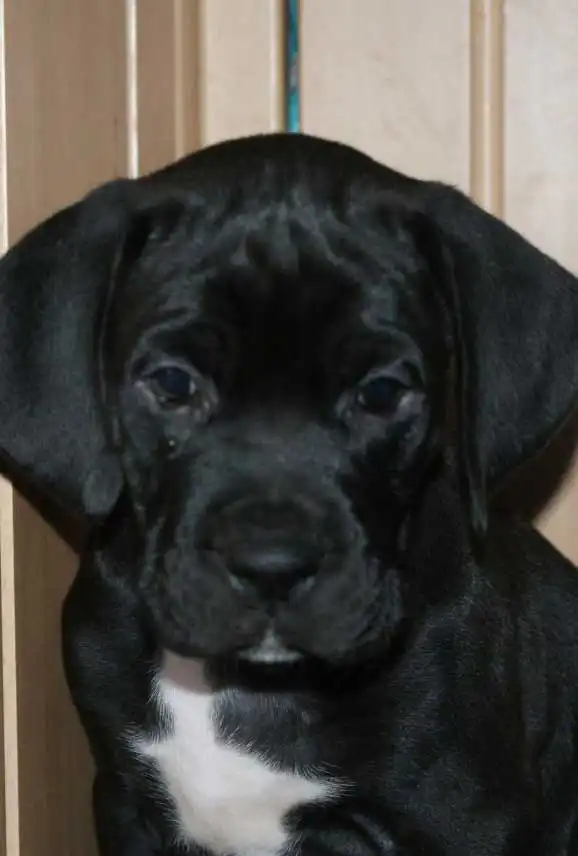
The Boweimar is a hybrid breed created by crossing a Boxer with a Weimaraner. Typically, these dogs are large and possess a tall, slender build that leans more towards the Weimaraner’s physique than that of the Boxer. Their coats are usually short and low-maintenance, with the majority of Boweimars displaying a black base adorned with white spots or markings, although some may have a brown coat. A notable advantage of this breed is their minimal shedding, making them an ideal option for individuals who wish to keep dog hair to a minimum in their homes. Boweimars are celebrated for their role as wonderful family pets; they are lively and eager to please their owners. However, they do need plenty of exercise to maintain their health and may become vocal if they feel neglected or under-stimulated.
Breed Origin
Weimaraners, known for their striking amber or gray-blue eyes, are energetic and sturdy dogs that trace their origins back to the Weimar Republic, now part of modern Germany. Developed in the early 19th century as hunting companions, their ancestry likely includes breeds such as the Bloodhound, English Pointer, German Shorthaired Pointer, Huehnerhund, and the blue Great Dane. Often affectionately called Weims, Grey Ghosts, or Silver Ghosts, these dogs were originally known as Weimar Pointers and were prized by the nobility for their courage and remarkable scent-tracking abilities. They excelled at pursuing various game, including bears, wolves, birds, rabbits, and foxes. Unlike many of their contemporaries, Weimaraners were integrated into family life, serving not only as hunting aides but also as devoted pets and protectors. Their ownership was predominantly among the aristocracy, making them a symbol of prestige. The famous photographer William Wegman featured his Weimaraners, Man Ray and later Fay Ray, in exhibitions around the globe. After Man Ray's death from cancer in 1982, he was posthumously honored as "Man of the Year" by the Village Voice. In a similar vein, Boxers were also bred in Germany, with their roots linked to the German Bullenbeisser, a breed descended from Mastiffs and Bulldogs. It is thought that Boxers share ancestry with ancient fighting dogs from the high valleys of Tibet and are related to nearly all recognized Bulldog breeds. Originally bred for bullbaiting and fighting, these activities were eventually banned. During World War I, Boxers took on roles as message carriers and guard dogs. The American Kennel Club officially recognized the first Boxer in 1904.
Breed Appearance
The Boweimar is a large breed, with males weighing up to 80 pounds and standing as tall as 42 inches. They typically have short coats that are mainly black with white spots or markings, although brown variations can also occur. Your dog may inherit a mix of traits from its parent breeds, with the dominant breed in its ancestry influencing its characteristics. Their muzzles are generally longer than those of a Boxer, often resembling those of a Weimaraner. These dogs are usually tall and slender, and they may possess webbed feet. In terms of eye color, they predominantly have brown eyes, which are more reflective of their Boxer heritage, as opposed to the gray, blue, or amber shades found in Weimaraners.

Care Routine
The Weimaraner's short coat requires very little grooming, with weekly brushing usually sufficient. Although they are not hypoallergenic, they do not shed heavily. Their short fur means that baths are rarely necessary unless absolutely needed. Nonetheless, regular brushing is advantageous for skin health and helps in detecting ticks or other parasites. Keeping their ears clean is crucial to prevent infections, which can be achieved by gently wiping the inner ear with a damp cotton ball. It's also important to regularly check their eyes for any changes or discharge, as this breed is prone to eye problems. Additionally, nails should be trimmed as needed, and consistent teeth brushing is essential for maintaining good dental hygiene.
Behavior & Temperament
The Boweimar is an energetic and friendly breed, making it a wonderful choice for families. This dog often inherits traits from its parent breeds, which means it needs plenty of exercise to stay well-behaved. To help prevent issues like separation anxiety, it's beneficial to enroll your Boweimar in training classes during its puppy stage. This early exposure will help them learn to interact comfortably with others. Boweimars tend to seek attention and may bark excessively if they feel ignored. However, with proper training, they usually respond well to commands. They thrive on companionship and can develop destructive behaviors if left alone for too long. Known for their playful and affable demeanor, Boweimars generally get along well with children, though they might be a bit wary of strangers. Additionally, this breed is protective of its family, which makes them effective as guard dogs.


Play & Exercise
To maintain the health and good behavior of the breed, it is important to take them for regular walks and to visit dog parks. Boweimars are exceptionally intelligent and excel in activities that involve running and chasing, such as playing with a frisbee or a ball. These fun activities can take place in a secure yard or at the beach, as long as the dog is under voice control. While most breeds, including the Boweimar, tend to have higher energy levels when they are young, it is vital to limit excessive exercise for young puppies to safeguard their developing bones. Furthermore, exercising your dog in extreme weather conditions should be avoided, as their short coats make them less able to tolerate cold temperatures.
Things to Know
Cups Per Day
3.0 Cups
Daily Activity
40 Minutes
Average Lifespan
12 Years
Origin
2000s
Type
Crossbreeds
Size
Large
Origin Country
United States
Brush Frequency
Daily
Coat Texture
Straight
Register
Your kids have been begging for a pet forever, and you've recently decided that it's time for your family to get a new addition -- a dog! While everyone is excited for the new arrival, you're wondering if you need to have a dog license. How much does it cost? Is it required? Where do you get one?
Member Clubs

PETINNATE
Other
Height & Weight
Weight
75 lbs (34 kg)Male: 75 lbs (34 kg) , Female: 75 lbs (34 kg)
Height
40 inches (102 sm)Male: 40 inches (102 sm) , Female: 40 inches (102 sm)
Eye Colors
Brown

Nose Colors
Black
Coat Colors
Black
Brown
Pied