
Boxweiler
The Boxweiler is a hybrid breed that emerges from the union of a Boxer and a Rottweiler. As there are no formal standards governing this mix, the size and appearance of Boxweilers can vary significantly, depending on which parent breed's traits are more dominant. It is important for both current and prospective owners to understand the characteristics and health concerns linked to each parent breed, as these factors can affect the Boxweiler's behavior and overall health. Generally, Boxweilers are large dogs, often reaching weights of up to 100 pounds, and they are intended to be loving family companions. Despite their sometimes intimidating appearance, Boxweilers are quite sensitive and thrive on the love and attention of their families. Moreover, due to their tendency to gain weight, it is vital to ensure they receive regular exercise to maintain their health.
Breed Origin
The Boxweiler is a hybrid breed that emerges from the crossing of a Boxer and a Rottweiler. While this mix is relatively recent and does not have an extensive historical background, the deliberate breeding of these two breeds has been taking place since the 1980s. As a contemporary designer dog, those interested in the Boxweiler's potential traits and characteristics should look to its parent breeds for insight. Both the Boxer and Rottweiler share ancestry with the Molossus family, which predates the Mastiff lineage, and both breeds have their roots in Germany and surrounding regions. The Boxer has its origins in the Tibetan line of Mastiffs and was primarily developed in Germany during the 16th century. The Boxer Breed Club was established in Munich in the 1800s, and the breed is thought to have been named for its unique fighting technique, which involves using its paws in a way that resembles a boxer. The American Kennel Club recognized the Boxer in 1904, and it has since become one of the ten most popular dog breeds in the United States. Conversely, the Rottweiler traces its lineage back to the Roman Mastiff, which accompanied Roman soldiers during their northern campaigns. These Mastiff cattle dogs were bred to help manage herds of cattle, essential for feeding the invading troops. Over time, Roman Mastiffs intermingled with local breeds, forming the foundation for the Rottweiler in Germany. Archaeological findings from a Roman settlement in Germany, dating back approximately 600 years after the Romans arrived, uncovered red tiles typically used on the roofs of Roman villas. This site was named Rote Wil, and the cattle herding Mastiffs in the vicinity eventually adopted the name Rottweiler, reflecting the region's history. The Rottweiler flourished in Germany until the 1800s, when it faced a significant decline. Fortunately, the breed was revived and gained recognition as a reliable police and guard dog. Today, the Rottweiler is ranked among the top twenty most popular dog breeds.
Breed Appearance
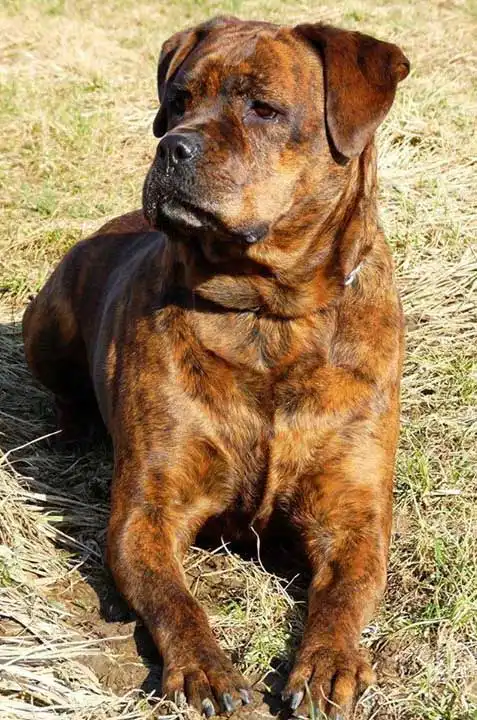
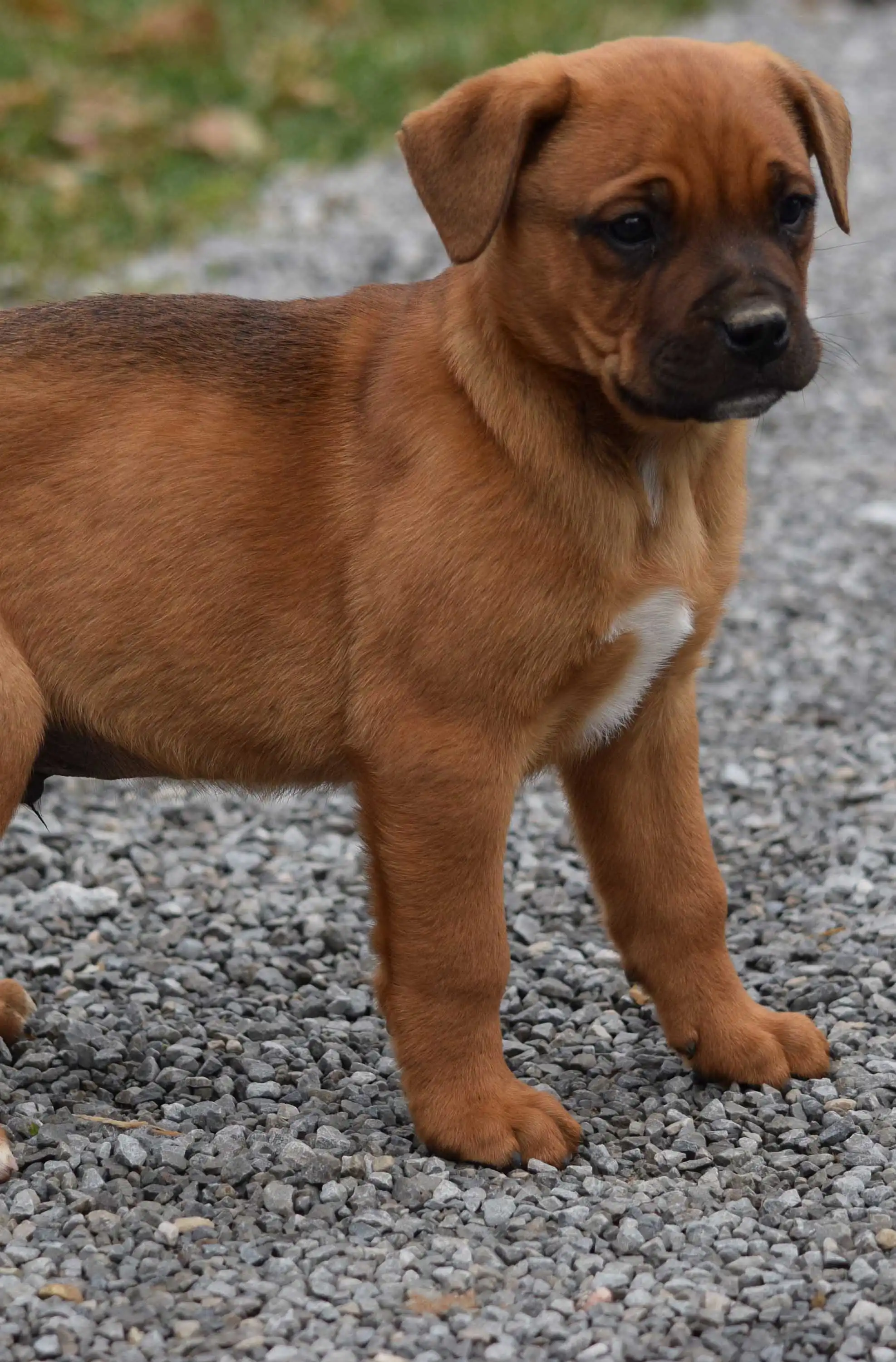
The Boxweiler is a hybrid breed that emerges from the combination of a Boxer and a Rottweiler, and its physical traits can differ significantly depending on which parent breed's characteristics are more dominant. Generally, this robust dog weighs between 60 and 80 pounds, though some can tip the scales at up to 100 pounds. Regardless of its lineage, the Boxweiler is characterized by a square-shaped head. If it leans more towards the Boxer side, it will have a leaner, more athletic build, while those that take after the Rottweiler tend to be stockier. This mix features long legs that are well-suited to its size, along with a broad chest. Its prominent, square head is marked by a long snout and some wrinkling, attributed to its thick skin.

Care Routine
The Boxweiler is not classified as a hypoallergenic breed and tends to shed hair moderately. To keep its coat healthy and reduce loose fur, it is recommended to brush and groom your Boxweiler every other day. This routine not only removes dead hair but also helps distribute the natural oils from the skin, which can prevent dermatitis and minimize unpleasant odors. While Rottweilers are generally known for drooling more, Boxers usually do not. The amount of drool your Boxweiler produces will largely depend on which parent breed it takes after. Since many Boxweilers have heads resembling those of Rottweilers, you may find that drooling is more pronounced than anticipated. Additionally, regular nail trimming is advisable for your Boxweiler. It’s important to keep in mind that Boxers are more prone to dental and gum issues, which can further contribute to increased drooling.
Behavior & Temperament
The Boxweiler is a lively hybrid that combines characteristics from both of its parent breeds. To avoid behavioral issues, this dog flourishes with active family involvement and early socialization, as isolation can lead to complications. Although the Rottweiler is often viewed as aggressive, this tendency can emerge in the Boxweiler if it does not receive adequate socialization. Thankfully, the Boxer’s amiable disposition helps temper this aggression. As a result, the Boxweiler makes a reliable guard dog, remaining alert around strangers without displaying excessive aggression. Being a large breed, the Boxweiler typically gets along well with children, provided it has been properly socialized from an early age. However, it may be cautious around unfamiliar kids, so it’s crucial to teach children how to approach the dog in a calm and patient manner. Due to its size and temperament, this hybrid may not be the most suitable choice for very young children. With a history rooted in hunting, especially large game, the Boxweiler might not be the ideal companion for unfamiliar pets. Nevertheless, with early and appropriate socialization, it can learn to live harmoniously with other animals, including cats. This hybrid possesses a high energy level and needs regular exercise. Additionally, the Boxweiler is intelligent and eager to please, making training relatively easy. However, owners should maintain a firm yet fair approach, as this sensitive breed responds best to positive reinforcement and reward-based training techniques.


Play & Exercise
Things to Know
Cups Per Day
0.0 Cups
Daily Activity
0 Minutes
Average Lifespan
0 Years
Origin
1980s
Type
Crossbreeds
Size
Not Set
Origin Country
United States
Brush Frequency
Daily
Coat Texture
Straight
Register
Your kids have been begging for a pet forever, and you've recently decided that it's time for your family to get a new addition -- a dog! While everyone is excited for the new arrival, you're wondering if you need to have a dog license. How much does it cost? Is it required? Where do you get one?
Member Clubs

PETINNATE
Other