Braque du Puy
Du Puy Pointer , Braque Dupuy
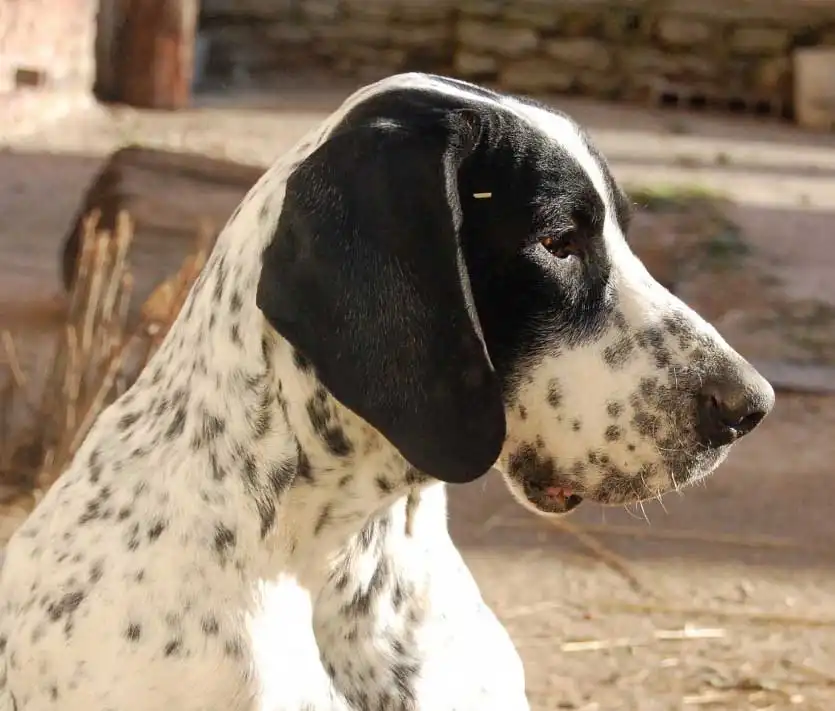
The Braque du Puy is a lively and affectionate hunting dog, distinguished by its athletic build and recognized as one of the tallest breeds within the French Braque family. This spirited canine thrives on outdoor escapades, eagerly exploring the countryside with its owner. Known for their remarkable speed, agility, and keen sense of smell, these dogs excel at tracking scents over considerable distances. While they navigate various terrains with ease, they tend to shy away from water, favoring dry landscapes instead. With a loving and loyal disposition, the Braque du Puy makes a fantastic family pet. Sadly, this breed has become increasingly rare, primarily due to the severe effects of World War II, which caused a drastic reduction in dog populations. Currently, the Braque du Puy teeters on the edge of extinction, with some experts fearing it may have already vanished, leading to the development of a modified version of the breed. Nevertheless, this dog boasts a striking appearance and a delightful temperament, and there is hope for a revival in their popularity as awareness grows. They truly are devoted companions and perfect pets for families.
Breed Origin
The origins of the Braque du Puy are largely obscured by conjecture and vague historical accounts. This breed faced considerable challenges during World War II, leading many specialists to conclude that its original bloodline may have been lost, and that the dogs we see today are more representative of a new lineage than the true breed. Emerging in France during the 1800s, the Braque du Puy is categorized within the Pointer group. The debate surrounding its ancestry is intense, with some experts claiming it is derived from the Spanish or Portuguese Pointer, while others propose a link to the English Pointer. The prevailing theory suggests that the Braque du Puy was created by crossing a sighthound, likely the Levier, with another Pointer breed, probably the Braque Francais. Another story involves two brothers, known as Dupuy or du Puy, who owned a liver and white Braque Francais female named 'Miss' and later obtained a male Sloughi from a soldier. However, it is crucial to recognize the significant absence of solid evidence backing any of these narratives. The history of the Braque du Puy is marked by various interpretations, with each expert championing their own version as the true account of its origins. This breed is noted for its graceful appearance and was once favored by French sportsmen, particularly for its effectiveness in the marshy regions along the western coast of France. Despite its skills, the Braque du Puy never reached the same level of popularity as other breeds in the Braque family, possibly due to its relatively less developed sense of smell. Furthermore, like many larger breeds, it suffered greatly as a result of the war.
Breed Appearance
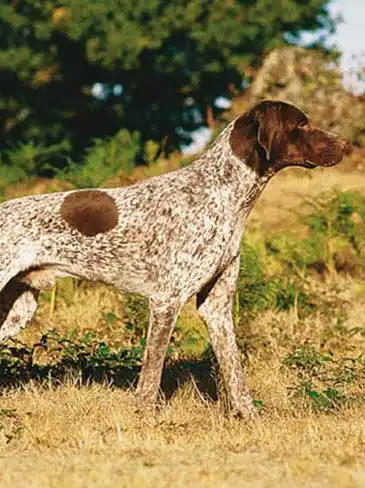
The Braque du Puy is distinguished by its sleek, athletic build, featuring long, slender legs and a straight, elongated tail. This breed boasts an attractive appearance, with a short coat that is not only visually appealing but also easy to care for, typically showcasing a white base with tan or liver-colored markings. Its head is elegantly sculpted, characterized by a long, pointed muzzle, a scissor bite, and a black nose with broad nostrils. The top of the head is flat, and the ears are medium in length, hanging down alongside the face. While they may not rival the tracking abilities of a Bloodhound, these dogs serve as excellent companions for hunters, skilled in tracking game. Often referred to as 'elegant,' their athletic physique enables them to pursue prey for extended durations. Their eyes are round and can range from dark brown to amber. Although they possess a strong hunting instinct that makes them unsuitable to be left alone with smaller animals, they are not naturally aggressive. Instead, their hunting drive remains dormant, ready to activate when the situation calls for it. Their physique also endows them with impressive agility.


Care Routine
The Braque du Puy is a low-maintenance breed, characterized by its short coat that closely hugs the body. Pet owners appreciate that a simple brushing and a quick wipe are all that's needed for coat maintenance. However, this breed is susceptible to foot issues, particularly toenail infections, which are commonly reported. To prevent these problems, it's crucial to regularly inspect their feet and promptly address any signs of infection. Cleaning their paws after outdoor activities, such as walks or hunting, can also help avert these health issues. Furthermore, it's important to check their ears, as their floppy shape can create an inviting environment for parasites and infections. When examining their ears, be gentle, and if cleaning is necessary, use a soft, damp cloth along with a vet-recommended solution. After cleaning, make sure to dry the area with a soft cloth. Just like humans, dogs can experience dental problems, so it's beneficial to train your dog from an early age to accept weekly teeth brushing, which greatly enhances their oral health.
Behavior & Temperament
The Braque du Puy is a graceful breed that embodies a temperament befitting its sophisticated looks. Valued not only as a hunting partner but also as a cherished family member, this dog is recognized for its serene nature, kindness, and steadfast loyalty to its owners. They engage well with people of all ages, including children, quickly becoming beloved parts of the family. However, despite their refined appearance, it’s important to acknowledge their hunting background; thus, supervision around smaller animals is recommended. While they are generally not aggressive, their natural instinct to chase can be strong, so it’s wise to avoid leaving them alone with small pets. Intelligent and responsive to training, the Braque du Puy may show a hint of stubbornness, necessitating a firm yet gentle training style. They are attentive and possess a robust constitution, making them well-suited for both home life and working roles. This breed, which is becoming increasingly rare, is truly a treasure.


Play & Exercise
The Braque du Puy, thanks to its breeding, needs plenty of space to move around, making it a wonderful companion for those fortunate enough to have this rare breed. Initially bred for hunting, this dog has a high energy level that must be released, so they flourish with long walks. Ideally, they should be exercised at least twice daily, though a single, comprehensive outing can also meet their needs. Their spirited personality makes them excellent playmates for children, as they are gentle and easygoing. They particularly enjoy activities like playing fetch, hide and seek, and chasing games. However, it’s advisable to keep other pets away during these play sessions, as the Braque du Puy’s natural instincts may lead them to pursue smaller animals. They are quick to learn and respond well to training, motivated by a strong desire to please their owners. While not specifically a water breed, they often enjoy splashing around at the beach with their family. In summary, the Braque du Puy is a versatile dog that truly deserves recognition and appreciation.
Things to Know
Cups Per Day
3.0 Cups
Daily Activity
60 Minutes
Average Lifespan
12 Years
Origin
19th Century
Type
Pure Breeds
Size
Medium
Origin Country
France
Brush Frequency
Weekly
Coat Texture
Straight
Register
Your kids have been begging for a pet forever, and you've recently decided that it's time for your family to get a new addition -- a dog! While everyone is excited for the new arrival, you're wondering if you need to have a dog license. How much does it cost? Is it required? Where do you get one?
Member Clubs

PETINNATE
Other
Height & Weight
Weight
48 lbs (22 kg)Male: 48 lbs (22 kg) , Female: 48 lbs (22 kg)
Height
26 inches (66 sm)Male: 26 inches (66 sm) , Female: 25 inches (64 sm)
6 Months
14 lbs ( m 14 lbs, f 14 lbs )
11 inches ( m 11 inches, f 11 inches )
12 Months
29 lbs ( m 29 lbs, f 29 lbs )
17 inches ( m 17 inches, f 17 inches )
18 Months
45 lbs ( m 45 lbs, f 45 lbs )
24 inches ( m 24 inches, f 24 inches )
Eye Colors
Brown

Amber
Nose Colors
Black
Coat Colors
Fawn
Brown
White
Pied