Braque Francais, de Petite Taille
French Pointer, Braque Francais De Petite Taille
The Braque Francais Pyrenean was originally developed exclusively for hunting purposes, but it has gradually transformed into a loyal companion for families. This breed is characterized by its eagerness to please rather than a dominant nature. With appropriate training, the Braque Francais Pyrenean can be an outstanding pet for households with children. However, it is not the ideal choice for a guard dog, as it is generally friendly and sociable, lacking a pronounced territorial instinct. As an active sporting dog, it needs plenty of exercise and becomes distressed if left alone in the yard without family interaction.
Breed Origin
The Braque Francais, a name it retained until the mid-19th century, has its roots in the 15th century. The Braque Francais Pyrenean bears a close resemblance to the Braque Francais Gascogne, and for many years, they were considered one and the same. However, after being classified as distinct breeds, the Braque Francais Pyrenean was identified as the smaller of the two, primarily inhabiting the southwestern parts of France and the Pyrenees Mountains. Historical evidence indicates that since the 15th century, the Braque Francais Pyrenean has undergone crossbreeding with various other breeds to carve out its unique identity, separate from the Braque Francais Gascogne. Among the breeds thought to have influenced its development are the now-extinct Old Spanish Pointer and the Southern Hound. This breed was intentionally bred to be smaller and more agile, enhancing its ability to hunt in challenging mountainous environments. Currently, the Braque Francais Pyrenean is recognized as a rare breed, with only a handful of individuals found outside France. The Canadian Kennel Club (CKC) and the North American Versatile Hunting Dog Association (NAVHDA) were pioneers in acknowledging the breed beyond Europe. Subsequently, the United Kennel Club (UKC) recognized the Braque Francais Pyrenean, albeit under the designation Braque Francais De Petite Taille, which allowed it to compete in all UKC-sanctioned events. In 2016, the American Kennel Club (AKC) began accepting the Braque Francais Pyrenean into its Foundation Stock Service. Enthusiasts of the breed are actively pursuing its inclusion in the Miscellaneous Class, a vital step toward securing official recognition from the AKC.
Breed Appearance
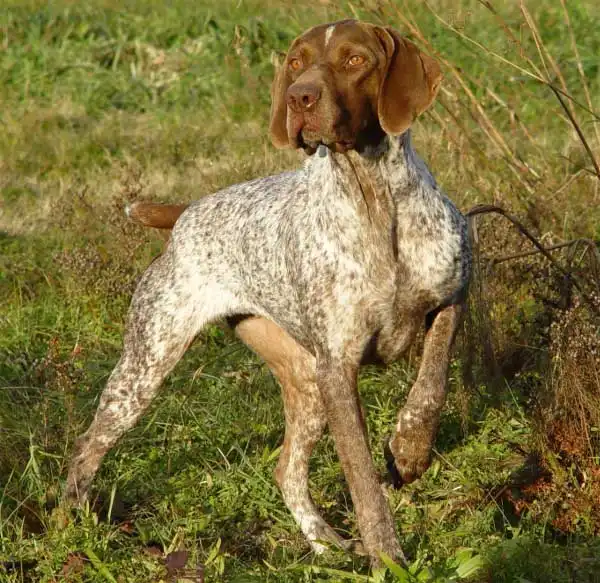
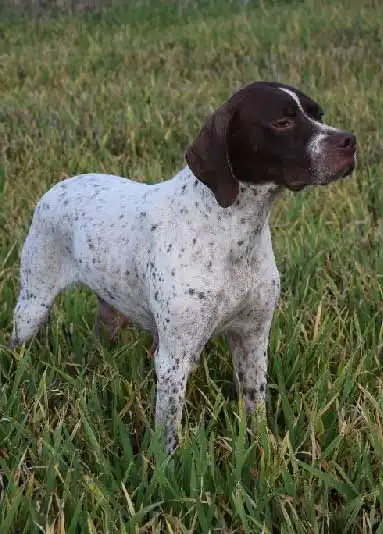
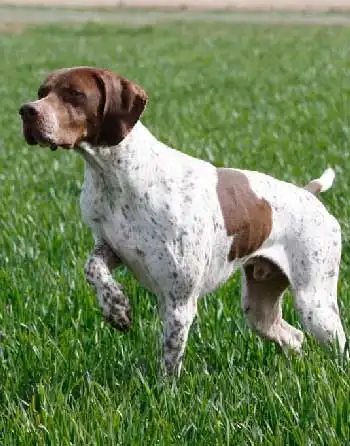
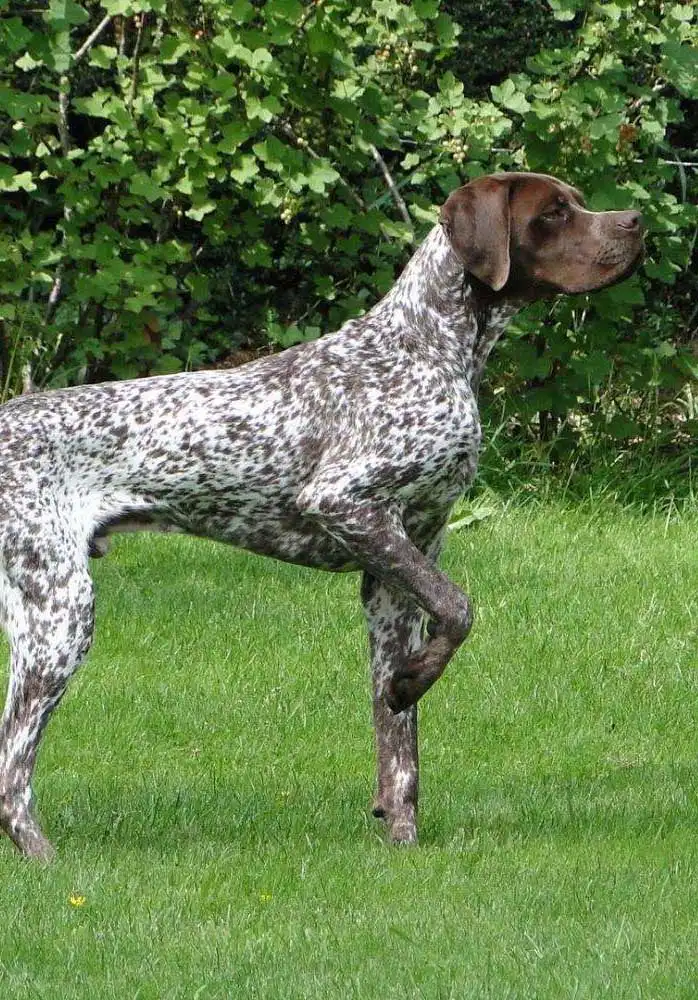
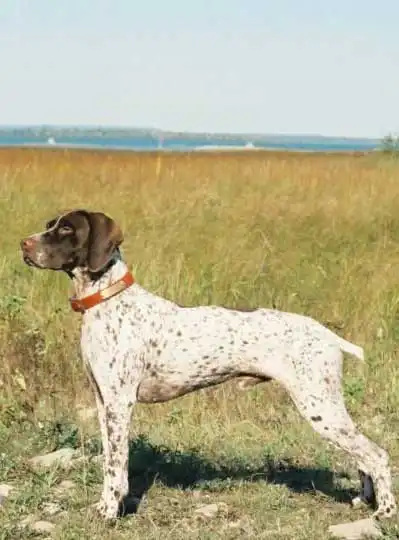
The Braque Francais Pyrenean is a more elegantly constructed breed when compared to other French hunting dogs. This breed is distinguished by its skin, which fits closely to the body, and its short, smooth coat, often noted for its fine texture. Typically, the Braque Francais Pyrenean is found in two main coat colors: chestnut and white or solid chestnut. The fur on the head, face, and legs is shorter, while a slightly longer coat on the neck is acceptable; however, dogs with excessively long or thick coats should not be shown. This breed is marked by a wider head and ears of medium length. When the ears are drawn forward towards the nose, they should not reach the tip of the nose but should extend just past the eyes. The muzzle should have a slight taper without being overly pointed. Furthermore, the body should be proportionately longer than the legs, contributing to the dog’s athletic build. A Braque Francais Pyrenean that is overweight is considered unhealthy and may struggle to perform the functions for which it was originally bred.
Care Routine
The Braque Francais Pyrenean is generally a breed that requires minimal grooming. To maintain the appearance of his coat, it’s advisable to brush him at least once a week, or at the very least, every other week. Regular brushing not only removes loose or dead hair but also helps clear away any accumulated dirt. While he does shed moderately, consistent grooming can greatly minimize the amount of hair found in your home. A natural bristle brush is recommended for this purpose. Bathing is not often necessary; typically, two to three baths a year will suffice. Nail trimming should be performed as needed, usually every two to three weeks. It’s also essential to inspect his ears weekly for dirt or any unpleasant smells, cleaning them with a cotton ball and hydrogen peroxide when necessary to prevent infections. Establishing a dental care routine is vital for his oral health; brushing his teeth weekly and arranging for a professional cleaning annually, if required, will help keep his teeth and gums in good condition.
Behavior & Temperament
The Braque Francais Pyrenean is a classic hunting breed recognized for its strong instinct to pursue prey. However, this dog can adapt well to family life. With appropriate training, he is not overly assertive and can be a wonderful companion for families with children. That said, it's important to exercise caution around smaller pets, like cats, due to his natural chasing tendencies. Generally, he interacts positively with other dogs and is typically non-aggressive towards them. This breed thrives on family engagement and may experience difficulties if left alone in the yard for long stretches, which can result in excessive barking that might annoy neighbors. He may also exhibit destructive behaviors, potentially turning your yard into a renovation project. To help him develop into a well-adjusted and content family member, early socialization is crucial. After completing his puppy vaccinations, enrolling him in a training class can be extremely beneficial for teaching him good manners and promoting socialization with both people and other puppies.
Play & Exercise
Things to Know
Cups Per Day
0.0 Cups
Daily Activity
0 Minutes
Average Lifespan
14 Years
Origin
1400s
Type
Pure Breeds
Size
Not Set
Origin Country
France
Brush Frequency
Daily
Coat Texture
Straight
Register
Your kids have been begging for a pet forever, and you've recently decided that it's time for your family to get a new addition -- a dog! While everyone is excited for the new arrival, you're wondering if you need to have a dog license. How much does it cost? Is it required? Where do you get one?
Member Clubs

PETINNATE
Gun Dog

AKC
Foundation Stock Service

UKC
Gun Dog
Height & Weight
Weight
45 lbs (20 kg)Male: 45 lbs (20 kg) , Female: 45 lbs (20 kg)
Height
21 inches (53 sm)Male: 21 inches (53 sm) , Female: 21 inches (53 sm)