Brittnepoo
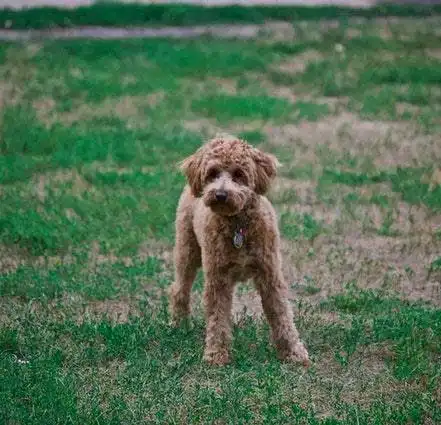
The Brittnepoo is a charming crossbreed that combines the Brittany Spaniel and the Poodle, highlighting the best traits of each lineage. This medium-sized dog exhibits the Poodle's graceful stature and elegance, paired with the Brittany Spaniel's loving temperament. With a robust physique and long legs, the Brittnepoo is full of energy. Both parent breeds have a background in hunting, which means this hybrid possesses strong tracking and chasing instincts, making it crucial to keep them on a leash during walks. Their high energy levels make them less suitable for apartment living; they flourish in spaces where they can run freely and burn off their abundant energy.
Breed Origin
Given the Brittnepoo's relatively short history, exploring its parent breeds can provide valuable insights into the hybrid's temperament and behavior. Both the Poodle and the Brittany Spaniel boast rich histories in hunting and retrieving, indicating that the Brittnepoo likely shares similar instincts. The Brittany Spaniel, named after the French region of Brittany, has ancestry that includes the orange and white setter, possibly mixed with the Welsh Springer Spaniel. This breed is well-respected for its bird hunting abilities and was first presented in France in 1896, earning recognition from the American Kennel Club in 1934. The Poodle, which has its roots in Germany, developed into a distinct breed in France. While its exact lineage is subject to various theories, it is undoubtedly an ancient breed. The larger Standard Poodle was traditionally employed for duck hunting, the Miniature Poodle was trained to find truffles, and the Toy Poodle primarily served as a companion animal. Poodles were often associated with Gypsies, who recognized their talent for circus performances. Although the precise date of the Poodle's introduction to the United States is uncertain, the AKC registered its first Poodle in 1886. Poodles remained relatively rare in the U.S. until after World War II, but by the mid-1950s, they had risen to become the most popular breed in the country, a title they maintained for over twenty years. The Brittnepoo seems well-positioned to uphold this legacy, establishing a cherished place among dog enthusiasts.
Breed Appearance
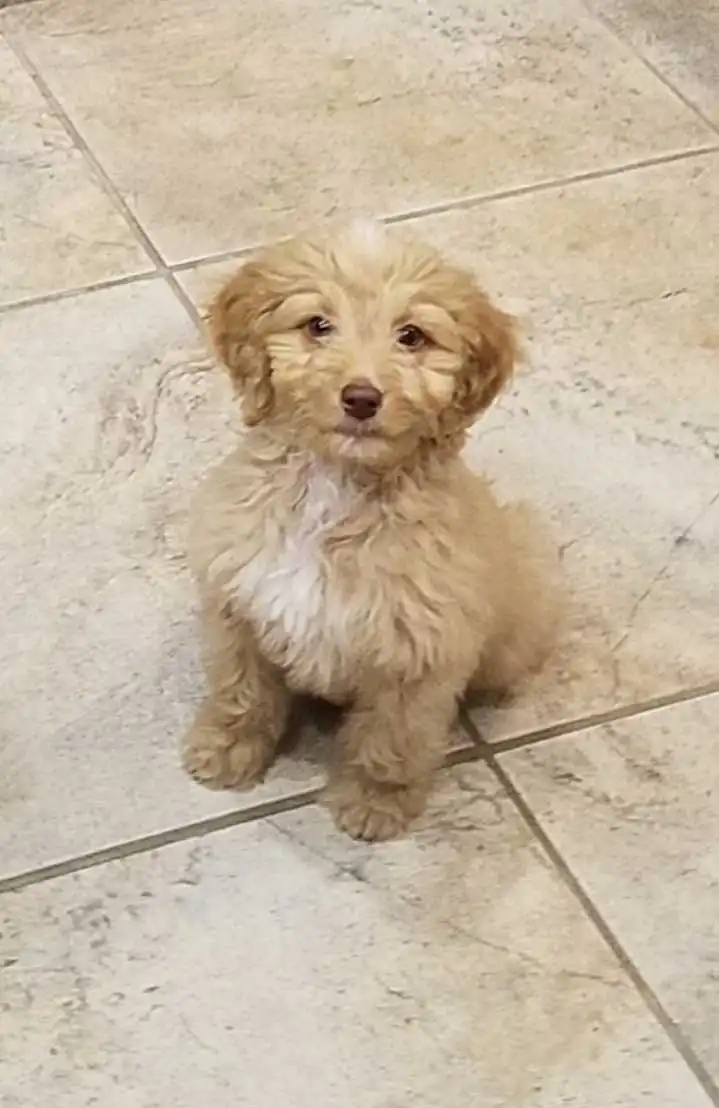
The Brittnepoo is a medium-sized breed recognized for its elegant and compact physique. It has a long muzzle and a rounded skull with a gentle stop. Its ears are set wide apart and hang close to the head. The nose can range in color from tan to brown, deep pink, or even black, featuring broad nostrils that match the dog's coat. The teeth meet in a scissors bite. The breed's dark, oval eyes enhance its expressive look. The body is athletic and well-balanced, with long, straight front legs and small, round feet that have well-arched toes and sturdy pads. The tail is positioned high and may be naturally short or docked to four inches or less, as tail cropping is not allowed in Europe. Dewclaws are sometimes removed, and there may be some feathering on the legs, a trait inherited from the Brittany Spaniel ancestry.

Care Routine
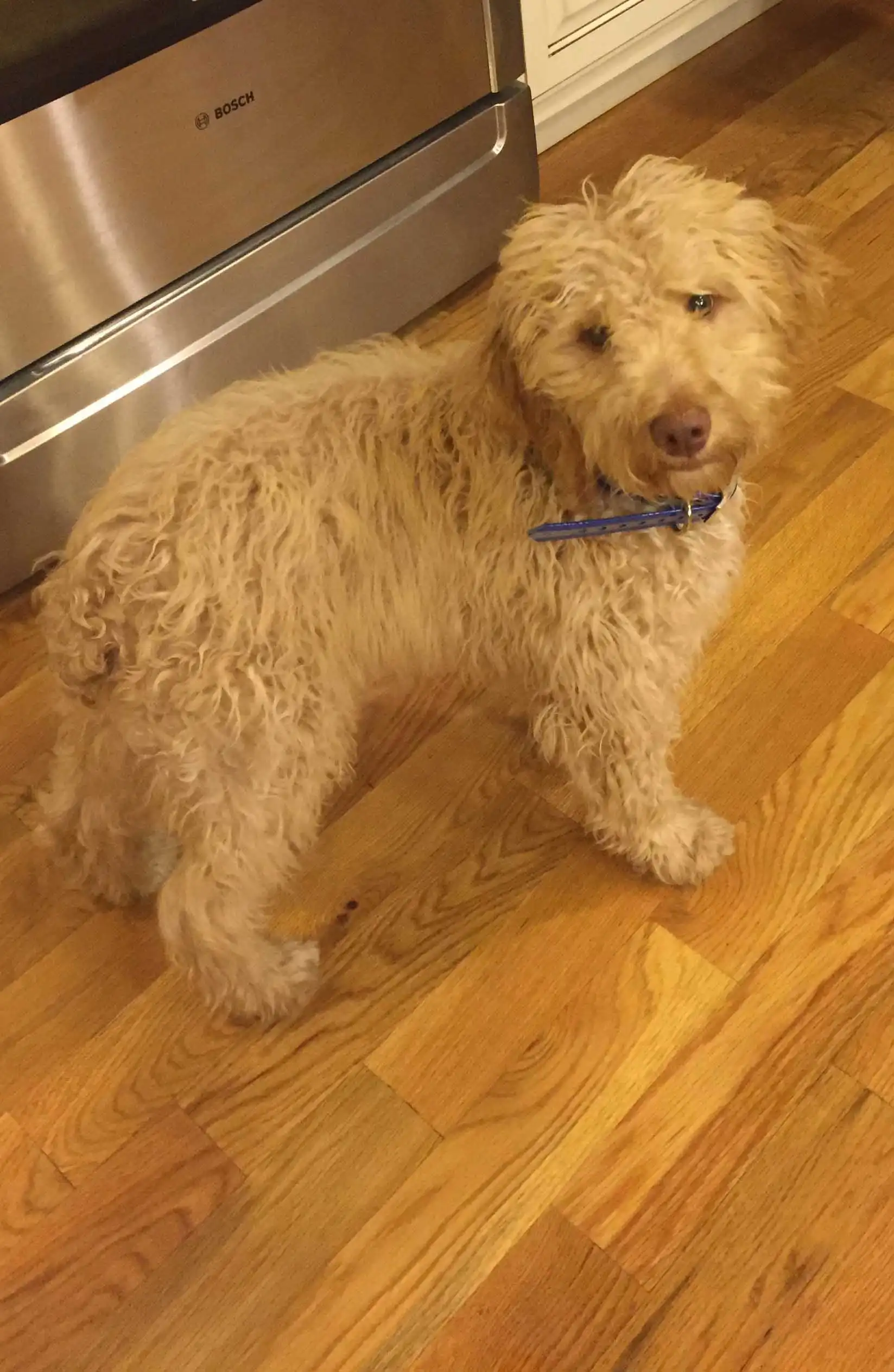
The maintenance and grooming of a Brittnepoo largely hinge on how prominently the Poodle traits manifest in your dog. Generally, this mixed breed showcases a combination of the Brittany Spaniel's soft, dense, and slightly feathered single coat alongside the Poodle's fine, curly fur. To avoid matting, it is crucial to brush your Brittnepoo every other day. If your dog exhibits more of the Poodle's coat characteristics, regular trimming may be necessary to keep its shape. While you don't need to bathe your dog frequently, using a mild dog shampoo is important for maintaining healthy skin. Dental care is vital, so it's wise to begin training your dog early to accept dental check-ups and tooth brushing. After outdoor activities, remember to inspect your dog's inner ears for any seeds that may have become trapped, as these can cause inflammation. Additionally, trimming your dog's nails every two weeks is essential for their overall well-being.
Behavior & Temperament
The Brittnepoo is a dog that delights in making its owners happy and has a naturally gentle temperament. When training this breed, it’s essential to strike a balance between assertive and gentle communication, rewarding their achievements with ample praise and small treats. These dogs are energetic and love to join you for walks or play sessions. While out and about, it’s wise to keep them on a leash, as their inquisitive nature might lead them to stray in search of intriguing scents. Renowned for their intelligence, Brittnepoos pick up commands quickly and thrive under the guidance of a confident owner. Early socialization is vital to ensure they get along well with children and other animals. To keep them content and healthy, they need both mental stimulation and physical exercise; without enough activity, they can become overly energetic and restless. Although Brittnepoos are affectionate and possess a touch of independence, they are generally easygoing and require minimal maintenance. Their enthusiasm for walks and playtime is contagious, spreading joy to everyone around them as they fully embrace life.


Play & Exercise
The Brittnepoo comes from a lineage of active parent breeds, which instills in it a natural enthusiasm for physical activity. This breed flourishes with daily walks or runs and delights in playful interactions with its family. Whether it’s retrieving a ball, splashing in water, or navigating an obstacle course, the Brittnepoo eagerly embraces any challenge. Renowned for their intelligence, these dogs also seek out mental engagement. If you have a securely fenced yard, they will happily entertain themselves while keeping an eye on your activities. As inherently social creatures, they thrive on being part of family life. While they can adjust to apartment living, it’s crucial to provide them with regular exercise to maintain their health and happiness. This should include stimulating walks or runs, along with interactive games like fetch. Aim for a daily walking distance of 1 to 2 miles to help them burn off energy, allowing them to unwind comfortably indoors afterward.
Things to Know
Cups Per Day
3.0 Cups
Daily Activity
60 Minutes
Average Lifespan
13 Years
Origin
Unknown
Type
Crossbreeds
Size
Medium
Origin Country
United States
Brush Frequency
Weekly
Coat Texture
Wavy
Register
Your kids have been begging for a pet forever, and you've recently decided that it's time for your family to get a new addition -- a dog! While everyone is excited for the new arrival, you're wondering if you need to have a dog license. How much does it cost? Is it required? Where do you get one?
Member Clubs
PETINNATE
Other
Height & Weight
Weight
44 lbs (20 kg)Male: 48 lbs (22 kg) , Female: 40 lbs (18 kg)
Height
17 inches (43 sm)Male: 18 inches (46 sm) , Female: 16 inches (41 sm)
Eye Colors
Brown

Nose Colors
Black
Coat Colors
Black

Silver

White
Brown