Bull Chow Terrier
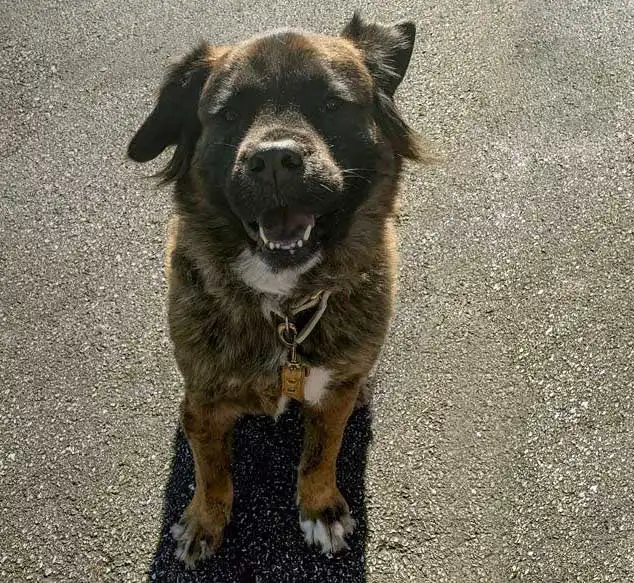
The Bull Chow Terrier is a hybrid breed resulting from the combination of two purebred dogs: the Bull Terrier and the Chow Chow. This distinctive breed is believed to have emerged in the United States during the 1990s. Generally, Bull Chows are large dogs, weighing between 55 and 70 pounds. Both parent breeds exhibit characteristics such as independence, stubbornness, and a strong sense of territory, while also being exceptionally loyal and protective of their families. With its unique look, the Bull Chow is bound to turn heads wherever it goes. Although this breed can adapt to a variety of living environments, owners should be aware of their sensitivity to high temperatures.
Breed Origin
During the 19th century, a variety of dog breeds were developed for specific functions, including rat hunting and blood sports like bull-baiting and dogfighting. The Bull Terrier is thought to have originated from a cross between the now-extinct Old English Bulldog and the Old English Terrier. At that time, there were no formal breed standards; breeders focused more on the dogs' abilities than their physical traits. Over time, the Bull Terrier lineage diverged into two distinct varieties: the Bull Terrier and the Staffordshire Bull Terrier. By the mid-1850s to 1860s, breeders began to prioritize the breed's appearance, leading to the creation of a white dog with a distinctive egg-shaped head. These dogs were bred for resilience, athleticism, and loyalty, earning the moniker “The White Cavalier.” The Bull Terrier Club of America was founded in 1897. This breed has appeared in numerous films, including The Great Gatsby, Oliver Twist, Patton, The Incredible Journey, Frankenweenie, and Toy Story. Notably, from 1987 to 1989, a female Bull Terrier named "Spuds MacKenzie" became a star in Budweiser commercials. Additionally, a Bull Terrier lived in the White House during President Teddy Roosevelt’s term. The Chow Chow is believed to be an ancient breed with roots tracing back to Siberia or Mongolia, approximately 8,300 years ago. These dogs served as temple guards in China, Mongolia, and Tibet, and were even inspired by the stone lion statues found in Buddhist temples. Bred for guarding, hunting, herding, and pulling, the Chow Chow also faced unfortunate fates, including being consumed as food in China and having its fur used for clothing. Some historians propose that Chow Chows were employed as war dogs during the 13th century, accompanying Mongolian armies in their invasions of China and Europe. The breed made its first appearance in the United States in 1890, where it achieved third place in the Miscellaneous class at the Westminster Kennel Club dog show. The American Kennel Club officially recognized the Chow Chow breed in 1903. Sigmund Freud owned a Chow Chow named Jo-Fi, whom he included in his therapy sessions, believing that dogs could reveal a person's true character. Jo-Fi played a significant role in helping Freud “assess” his patients. Throughout history, Chow Chows have been beloved companions to notable individuals such as Martha Stewart, President Calvin Coolidge, Elvis Presley, and Janet Jackson.
Breed Appearance
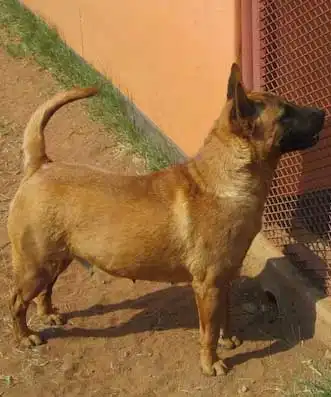
Defining the exact appearance of the Bull Chow can be a bit challenging. Nevertheless, it is clear that this breed is characterized by its large, sturdy, and muscular build. The coat is dense and can range from short to medium in length. This athletic dog showcases a broad head complemented by a moderately sized muzzle. The Bull Chow has a powerful jaw, and its ears may either stand erect or hang down. A distinctive feature of this robust breed is its tongue, which may display a blue tint, similar to that of the Chow Chow. Additionally, the eyes and nose of this impressive hybrid are usually dark, enhancing its overall look of confidence and determination.


Care Routine
The Bull Chow is characterized by a dense, often double-layered coat that requires regular maintenance to stay healthy. To keep the coat in optimal condition, it’s recommended to brush your dog at least once a week to remove dead hair. A slicker brush is particularly effective for gathering loose fur. Additionally, it’s beneficial to brush your dog's teeth several times a week; starting this habit while your hybrid is still a puppy can help avoid any resistance during grooming sessions. In fact, your dog may come to appreciate the extra attention. Furthermore, getting your Bull Chow accustomed to having his paws handled is essential, as his strong nails can complicate trimming. It’s also important to note that the Bull Chow may have skin folds and wrinkles that need daily care. If moisture accumulates in these areas, it can foster the growth of yeast and bacteria, leading to possible infections.
Behavior & Temperament
The Bull Chow will inherit a unique combination of characteristics from its parent breeds. The Bull Terrier is recognized for its well-rounded temperament, although it can also show signs of stubbornness and a pronounced sense of independence. This breed is typically territorial and protective, making it crucial to socialize them early with other dogs, strangers, and children. As an energetic breed, the Bull Terrier can be a loving and entertaining companion, but it may not be the ideal choice for novice dog owners. Conversely, the Chow Chow is known for its protective, territorial, and at times, aggressive demeanor. This breed is also not recommended for those lacking experience or for families with young children. To raise a well-adjusted pet, early socialization and consistent obedience training are vital. Chow Chows are independent and intelligent, often exhibiting a stubborn nature. They tend to form strong bonds with their owners, so establishing yourself as the leader of the pack from the outset is essential. The Bull Chow will thrive in an environment where it understands its position, which will enhance its confidence. Providing clear direction will lead to a happier and more harmonious family life.


Play & Exercise
The Chow Chow exhibits a moderate level of energy, in contrast to the Bull Terrier, which is characterized by its high energy. Consequently, your Bull Chow will need daily exercise that includes brisk walks and stimulating activities like fetch. If your Bull Chow is friendly with other dogs, you might want to explore options like flyball or agility training, as he could enjoy the combination of structure and fun. However, given the possibility of aggressive behavior towards unfamiliar dogs or people, it’s crucial to keep your Bull Chow leashed during walks. Furthermore, he will enjoy playing and exploring in a securely fenced yard, but it’s vital to supervise him at all times.
Things to Know
Cups Per Day
3.0 Cups
Daily Activity
60 Minutes
Average Lifespan
12 Years
Origin
Unknown
Type
Crossbreeds
Size
Medium
Origin Country
United States
Brush Frequency
Weekly
Coat Texture
Straight
Register
Your kids have been begging for a pet forever, and you've recently decided that it's time for your family to get a new addition -- a dog! While everyone is excited for the new arrival, you're wondering if you need to have a dog license. How much does it cost? Is it required? Where do you get one?
Member Clubs

PETINNATE
Other
Height & Weight
Weight
58 lbs (26 kg)Male: 63 lbs (29 kg) , Female: 53 lbs (24 kg)
Height
20 inches (51 sm)Male: 20 inches (51 sm) , Female: 20 inches (51 sm)
Eye Colors
Brown

Nose Colors
Black
Coat Colors
Red
Black
White