Bully Pitsky
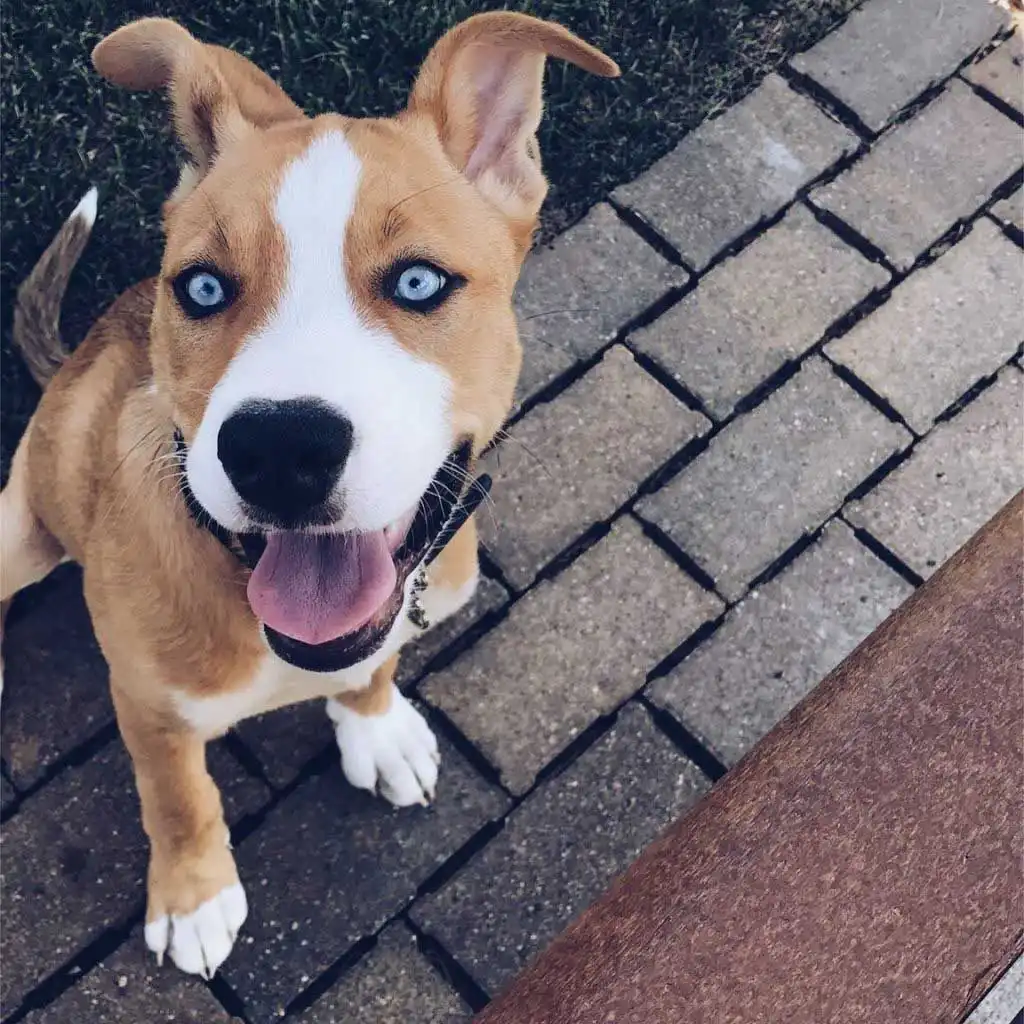
The Bully Pitsky is a mixed breed that results from crossing the American Pit Bull Terrier with either the Siberian or Alaskan Husky. Typically, this dog is classified as medium to large in size. Renowned for being an excellent family pet, the Bully Pitsky flourishes in environments where someone is usually around. He tends to get along well with children and other animals, as long as he has received proper socialization. Given his inclination to roam, it is crucial to have a secure, fenced yard for this breed. With a high energy level, the Bully Pitsky may also need regular grooming. Although he can be trained relatively easily, the owner's dedication and patience are key to achieving success. To maintain his health and manage his energy, he requires a moderate amount of exercise.
Breed Origin
The history of the Bully Pitsky is not well-documented, which highlights the importance of examining the histories of its parent breeds for a clearer perspective. The American Pit Bull Terrier was initially bred as a farm dog, but it gradually transformed into a devoted protector and companion. Notably, some individuals still use the American Pit Bull for hunting wild boar. This breed has also earned the affectionate title of "nanny dogs" because of their gentle and protective demeanor around children. The lineage of the American Pit Bull Terrier traces back to England, where bull and terrier breeds were originally developed for bull and bear-baiting. As these inhumane activities declined, the breed shifted towards dog fighting. Eventually, immigrants brought the Pit Bull to the United States, where it adapted to life as a farm dog. Conversely, the Husky has its origins with the Chukchi people, a native nomadic group. Although the exact beginnings of the Husky remain somewhat ambiguous, genetic studies indicate that it is among the oldest dog breeds. These dogs not only provided transportation but also lived closely with their families, likely for warmth. In 1908, Huskies were brought to Alaska, where they became essential as sled dogs. The Bully Pitsky is officially recognized by the Dog Registry of America.
Breed Appearance
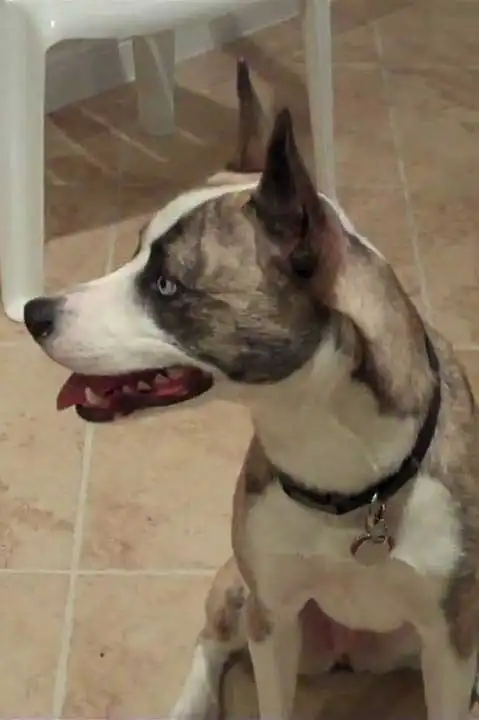
The Bully Pitsky generally falls into the medium to large size category. Its coat colors can vary widely, reflecting the traits of its parent breeds. This breed may display a mix of black with white patches, various shades of red or rust accented with white, or even a tri-color design. Furthermore, it may inherit striking blue eyes from its Husky ancestry. The length of its coat can also vary; it might have a sleek, short, and shiny coat like that of a Pit Bull, or it could feature a longer, fluffy coat similar to a Husky's. Notably, its tail tends to arch over its back, resembling that of the Husky.


Care Routine
The Bully Pitsky is not classified as hypoallergenic, and its shedding will primarily depend on the coat type it inherits from its parents. If it resembles the Pit Bull, it will sport a short, sleek, and smooth coat of moderate density that requires minimal grooming. Conversely, if it takes after the Husky, with its long, fluffy coat, daily brushing will be essential. It's advisable to bathe your Bully Pitsky only when necessary, as the natural oils in its fur play a crucial role in maintaining its health. Additionally, aim to brush your dog's teeth at least three times a week, though daily brushing is ideal for optimal gum health. Nail trimming should occur every two weeks, but be aware that this energetic breed may require more frequent trims if its nails grow quickly.
Behavior & Temperament
The Bully Pitsky is generally a cheerful, loving, and energetic breed. He develops deep connections with his family and tends to be quite protective of them. Although he may be cautious around unfamiliar faces, he typically gets along wonderfully with the children in his home. To ensure he interacts positively with other pets, some socialization is important. Due to his inclination to roam, having a secure, fenced yard is crucial for his outdoor playtime. It's advisable not to leave him unattended for extended periods, as he might seek out a little adventure when you're not looking. When you take him for walks, always have him on a leash. He enjoys lively walks by your side, but be aware that he may pull, a characteristic he inherits from his Husky background, so plan your outings accordingly.


Play & Exercise
The Bully Pitsky is a lively breed known for its tendency to tug on the leash. To address this behavior while walking, opting for a harness instead of a traditional collar is advisable. Additionally, participating in obedience training can help mitigate this pulling instinct. Consistency is key, so it's essential to use a calm yet firm tone in your interactions. Engaging your Bully Pitsky in activities such as visits to the dog park or play sessions in a safe yard can offer them the exercise they need while having fun.
Things to Know
Cups Per Day
3.0 Cups
Daily Activity
90 Minutes
Average Lifespan
14 Years
Origin
Unknown
Type
Crossbreeds
Size
Large
Origin Country
United States
Brush Frequency
Daily
Coat Texture
Straight
Register
Your kids have been begging for a pet forever, and you've recently decided that it's time for your family to get a new addition -- a dog! While everyone is excited for the new arrival, you're wondering if you need to have a dog license. How much does it cost? Is it required? Where do you get one?
Member Clubs

PETINNATE
Other
Height & Weight
Weight
65 lbs (29 kg)Male: 70 lbs (32 kg) , Female: 60 lbs (27 kg)
Height
22 inches (56 sm)Male: 23 inches (58 sm) , Female: 21 inches (53 sm)
Eye Colors
Blue

Nose Colors
Black
Coat Colors
Red
White
Black