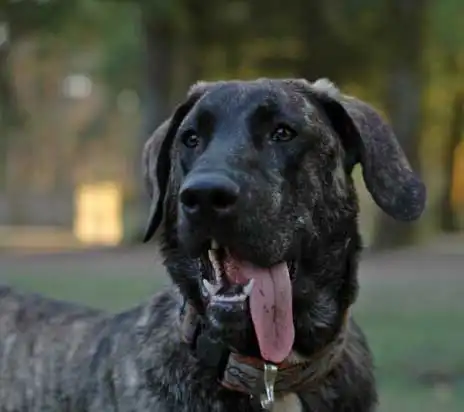
Cao de Castro Laboreiro
Portuguese Cattle Dog, Portuguese Watchdog, Dog of Castro Laboreiro
The Cão de Castro Laboreiro is considered one of the rarest dog breeds in the world, with a population estimated to be between 200 and 500 individuals. Historical records about this breed are limited, and even the Portuguese Kennel Club admits that many stories regarding its origins are largely conjectural. Although several theories have been proposed, there is a general agreement that this breed is indeed ancient. It is believed to have existed for thousands of years and is likely part of the Lupomolossoid group, which eventually led to the development of breeds like the Great Pyrenees, positioning it as one of the earliest descendants of the original herding and guarding dogs. Despite its mysterious past, the Cão de Castro Laboreiro has been a protector in Portugal for centuries. Its physical traits, including its facial structure and coat, bear a resemblance to that of a wolf, and its cautious attitude towards strangers enhances this likeness. This breed is known for its assertive and protective instincts, yet it is also sensitive, responding more favorably to positive reinforcement rather than harsh training methods. Within their family, they are affectionate and form strong bonds with familiar individuals, but they can be wary of strangers and other dogs, making them better suited as solo pets unless they undergo thorough socialization. Their high intelligence and strong-willed nature mean they flourish under the care of a knowledgeable and assertive owner who can provide effective training. Once properly trained, they tend to be obedient and exhibit deep loyalty to their families.
Breed Origin
The Cão de Castro Laboreiro possesses one of the most intriguing histories among dog breeds, and it is widely regarded as one of the oldest. Experts have attempted to trace its lineage, often connecting it to Mastiff-type dogs or even earlier ancestors like the Lupomolossoids, which were precursors to breeds such as the Great Pyrenees. Some hypotheses propose that these dogs might have existed before the Mastiff, showing closer associations with the Molossus, the dogs favored by warriors in Ancient Greece and Rome. Over the centuries, these dogs have been recognized for their protective roles, safeguarding both livestock and families in Portugal from human threats and wild animals. Many of their characteristics can be linked to this historical purpose. There is also a theory suggesting that the Portuguese may have brought these dogs to Newfoundland, potentially impacting the development of the Labrador Retriever, a breed that shares many traits with the Cão de Castro Laboreiro. In their purebred state, these dogs were rarely seen outside their homeland until the mid-20th century, which contributed to their limited numbers. Their population further declined in the late 19th and early 20th centuries due to shifts in agricultural practices and advancements in weaponry that diminished predator populations, leaving many of these dogs without their traditional roles. As a result, numerous farmers abandoned them, forcing the dogs to survive on their own, which led to conflicts as they began to prey on livestock. Fortunately, a small group of dedicated breeders emerged, shifting the focus from using these dogs as guardians to breeding them as companions. This change opened new possibilities for the breed, leading to their first appearance at a Portuguese dog show in 1914. Today, the Cão de Castro Laboreiro remains a rare breed, with an estimated global population of around 500. While most breeders are still located in Portugal, a few have started to establish themselves in the United States and Western Europe, further adding to the breed's rarity.
Breed Appearance
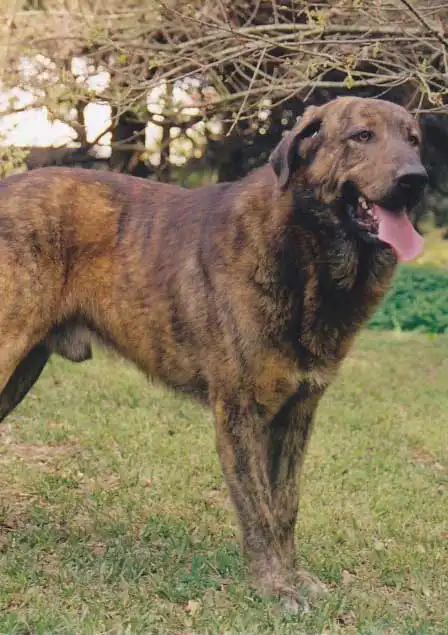
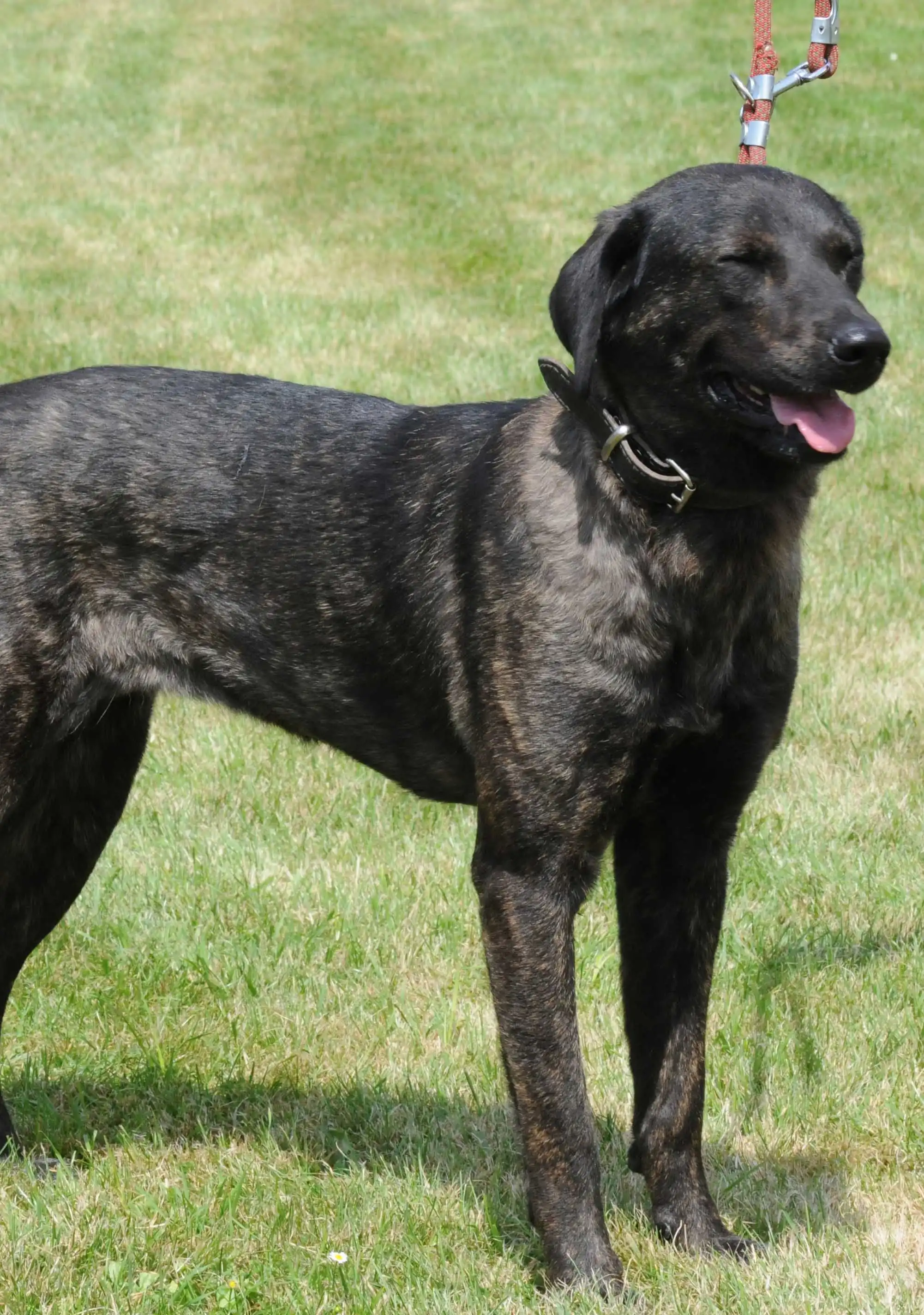
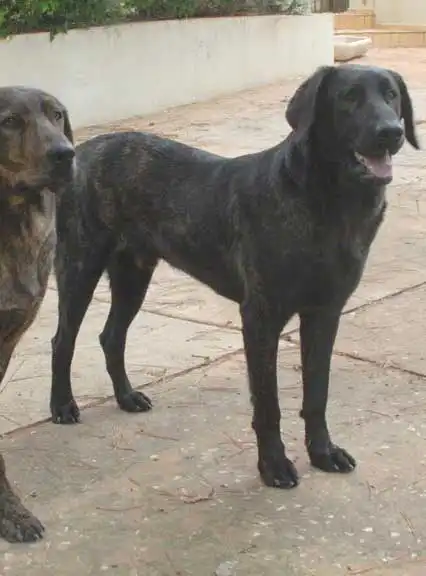
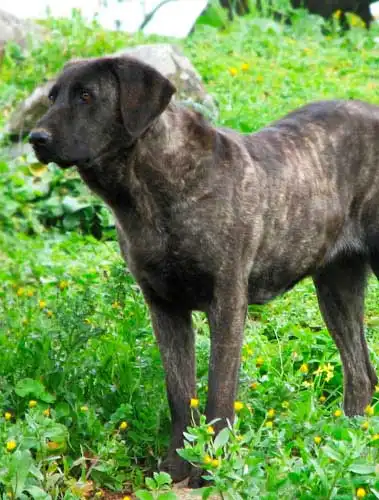
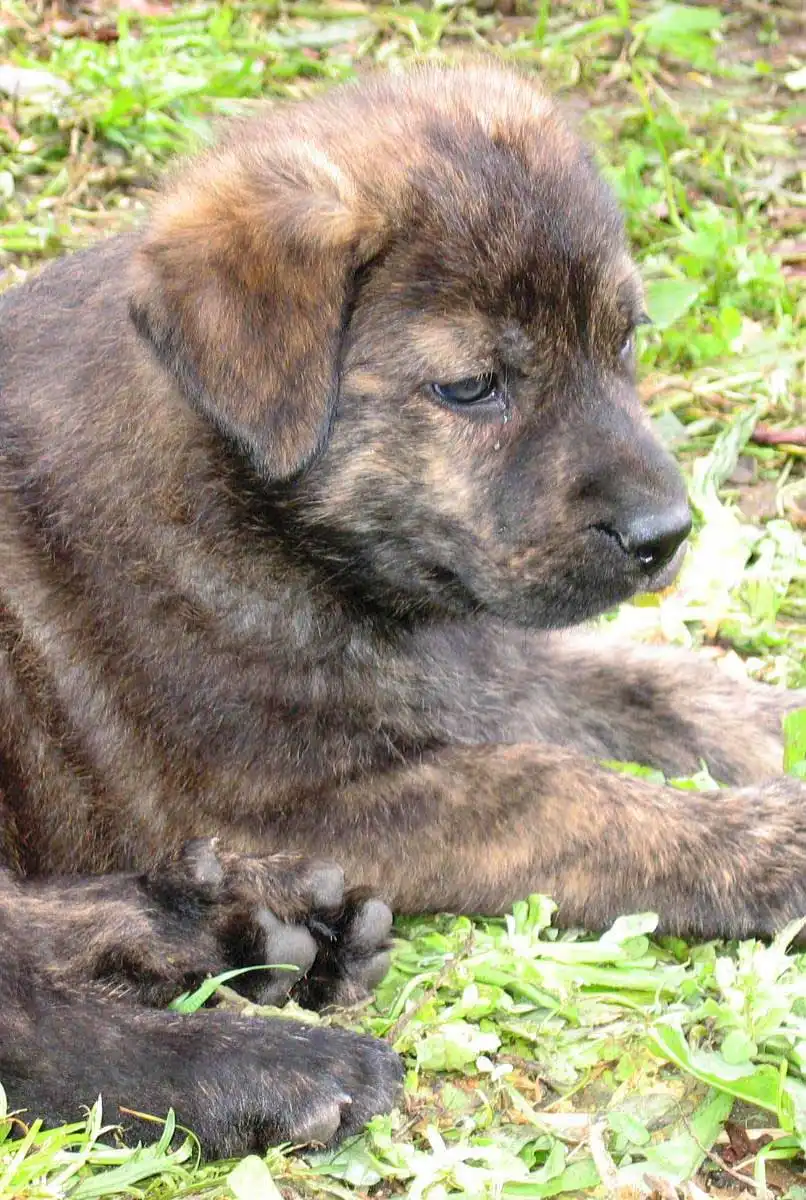
The Cão de Castro Laboreiro is a large dog, though not excessively so. Typically, it stands just under two feet tall at the shoulder and weighs between 55 and 90 pounds. Its appearance is reminiscent of a Labrador Retriever, characterized by a long, slightly tapered muzzle and a sturdy, powerful physique that isn’t overly athletic. While the coat structure is similar, the color variations set it apart. This breed features folded ears, dark almond-shaped eyes, a relatively square stance, and a long, bushy tail. Their coats are unique, resembling that of a wolf—thick, weather-resistant, and somewhat coarse. The color palette includes a mix of light and dark grey, interspersed with individual strands of dark brown and dark red. These variations are often categorized as light wolf, dark wolf, and mountain color, with the latter being the most desirable.
Care Routine
Despite their size, Cão de Castro Laboreiros require relatively low maintenance. During heavy shedding seasons, they benefit from being brushed several times a week to help manage their fur and distribute natural oils evenly; otherwise, a weekly grooming session is adequate. Given their hearty appetite, it's essential to routinely inspect and clean their teeth. Furthermore, owners should monitor their nails and ears, taking care of any concerns that arise.
Behavior & Temperament
Cão de Castro Laboreiros are celebrated for their affectionate, loyal, and gentle nature towards their families. They possess a strong protective instinct, often leading them to safeguard their loved ones from strangers and other animals. This instinct manifests in a confident posture and loud warning barks. Despite their somewhat intimidating appearance, these dogs are typically non-aggressive, preferring to communicate through barking rather than aggression. They are naturally intelligent, brave, and determined, yet they can also be sensitive and occasionally stubborn. As a result, they flourish under the care of a knowledgeable owner who can assert authority through positive reinforcement. With appropriate training and socialization, they become wonderful companions and family pets, showcasing remarkable gentleness, particularly when raised with young children.
Play & Exercise
The Cão de Castro Laboreiro has a long-standing history as a herding and guard dog, which has endowed them with impressive endurance and a strong need for daily physical activity. To promote their happiness and health, it is recommended that they receive at least 60 minutes of exercise each day. Unlike several other smart breeds, they do not need constant mental stimulation and can comfortably be left alone, as they naturally keep watch over their environment. Nevertheless, they appreciate a balance of companionship and autonomy in their daily lives.
Things to Know
Cups Per Day
4.0 Cups
Daily Activity
60 Minutes
Average Lifespan
12 Years
Origin
Ancient Times
Type
Pure Breeds
Size
Large
Origin Country
Portugal
Brush Frequency
Weekly
Coat Texture
Straight
Register
Your kids have been begging for a pet forever, and you've recently decided that it's time for your family to get a new addition -- a dog! While everyone is excited for the new arrival, you're wondering if you need to have a dog license. How much does it cost? Is it required? Where do you get one?
Member Clubs

PETINNATE
Guardian Dog

UKC
Guardian Dog
Height & Weight
Weight
73 lbs (33 kg)Male: 73 lbs (33 kg) , Female: 73 lbs (33 kg)
Height
22 inches (56 sm)Male: 22 inches (56 sm) , Female: 22 inches (56 sm)
6 Months
52 lbs ( m 52 lbs, f 52 lbs )
15 inches ( m 15 inches, f 15 inches )
12 Months
62 lbs ( m 62 lbs, f 62 lbs )
18 inches ( m 18 inches, f 18 inches )
18 Months
72 lbs ( m 72 lbs, f 72 lbs )
22 inches ( m 22 inches, f 22 inches )
Eye Colors
Brown

Amber
Nose Colors
Black
Coat Colors
Brindle
Red
Brown
Gray
Black