Cao Fila de Sao Miguel
Azores Cattle Dog, Saint Miguel Cattle Dog
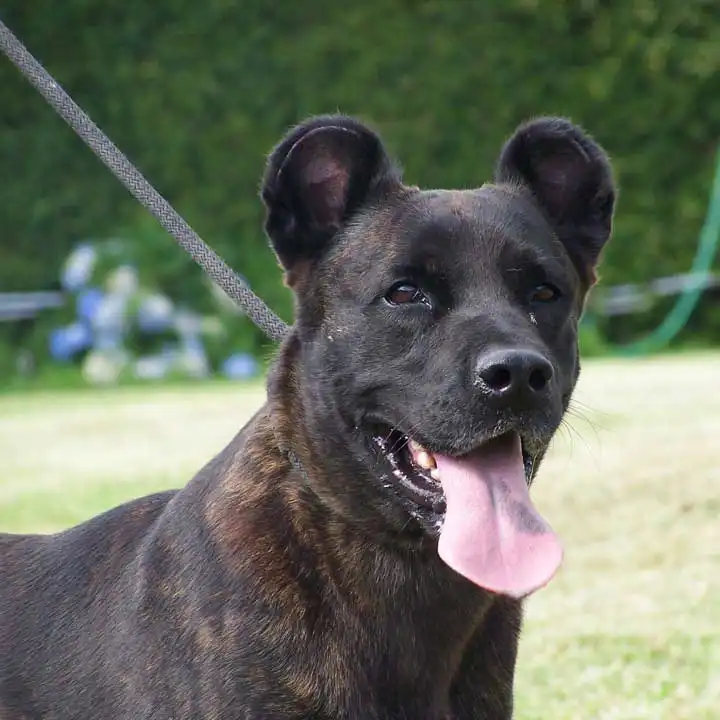
The Cao Fila de Sao Miguel is a historic breed originating from Sao Miguel, one of the Azores islands. It was likely bred to assist in managing the wild livestock that inhabited the area. This breed is notably large and sturdy, characterized by a powerful jaw and a naturally aggressive, territorial disposition. While believed to be descendants of ancient molosser dogs, they are typically smaller than other breeds in that group and have longer snouts. Renowned for their steadfast loyalty to their families, they are highly protective but often reserved around strangers and may show aggression towards other animals.
Breed Origin
The Cao Fila de Sao Miguel is a medium to large cattle dog known for its skills in herding and guarding. Its history dates back to a time before dog breeds were systematically recorded. While the precise ancestry is uncertain, many specialists suggest that the breed's forebears were a mix of various large molosser dogs. In the 14th century, these molosser breeds were widely used throughout Western Europe to handle cattle, particularly those that were stubborn or aggressive. The molossers found in Portugal are generally smaller and less brachycephalic compared to their counterparts in other regions. Over the years, the crossbreeding of these dogs led to the development of distinct types of cattle dogs, which eventually solidified into a recognized breed. In early Portuguese society, dogs were seldom featured in art or literature, which explains why the first recorded mention of the Cao Fila de Sao Miguel did not occur until the early 19th century. Despite this delayed recognition, the breed quickly earned a reputation across the islands for its remarkable herding, driving, and protective abilities. Although its history is ancient, the official breed standard for the Cao Fila de Sao Miguel was only established in 1984, paving the way for its acknowledgment by the Portuguese Kennel Club. The breed gained formal recognition from the Federation Cynologique Internationale in 1995; however, most of these dogs still fulfill their traditional roles on the islands and are seldom seen outside this area. Furthermore, they have not yet achieved recognition from the American Kennel Club.
Breed Appearance
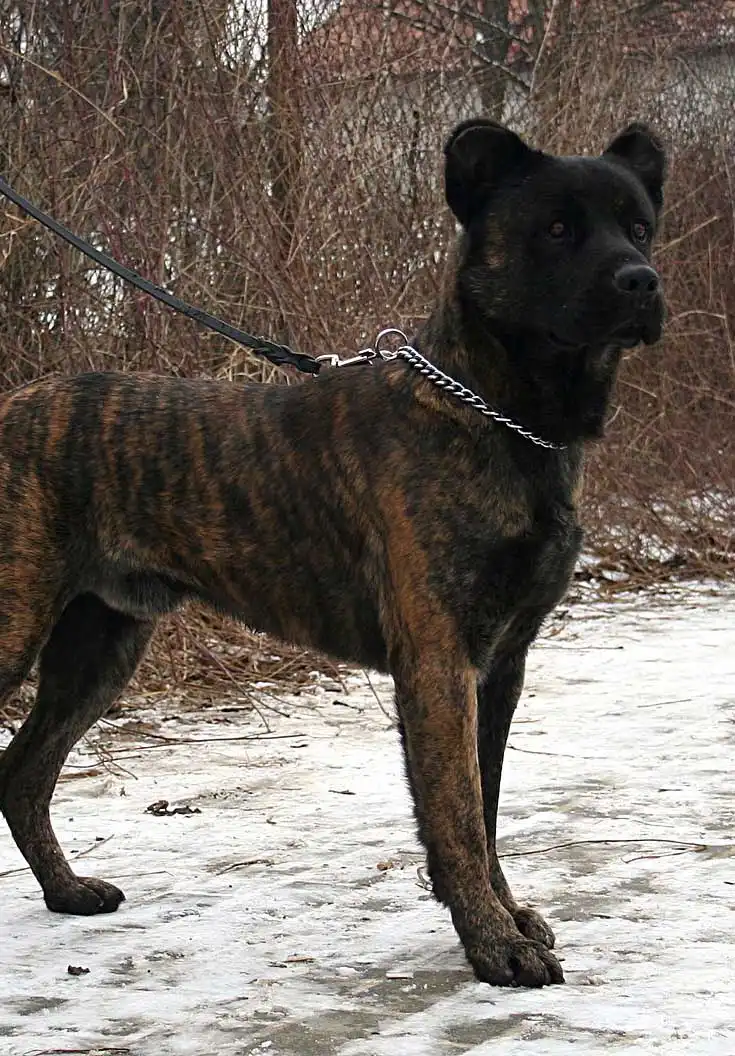
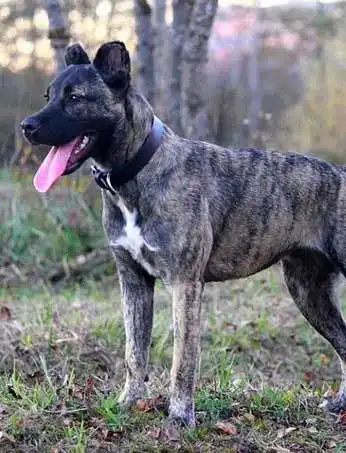
These dogs range from medium to large in size, distinguished by a body that is slightly longer than it is tall, showcasing well-defined muscles and a sturdy physique. Males generally exceed females in both height and weight. In some cases, the prominent musculature may cause a slight waddle when they move. They have a heavy, square head with an exceptionally strong jaw. Their oval, dark brown eyes are quite expressive, and they are framed by medium-sized triangular ears that nearly touch their cheeks. For those used as working dogs, these ears are often cropped for enhanced protection in the field. Their tails are of medium length, set high, and have a gentle curve, with cropping being a common practice. The coat is short and smooth, dense with a subtle fringe along the tail and the back of the thighs, available in various shades of fawn, frequently featuring black or grey brindle patterns.

Care Routine
These dogs are impressively easy to care for in terms of hygiene and health, typically needing baths only on an infrequent basis. It’s recommended to brush them two to three times weekly using a slicker brush or a rubber curry comb to remove loose hair and keep their coat looking shiny and healthy. Overall, their grooming requirements are quite straightforward. This breed generally prefers spending more time outdoors than others, making it crucial to take a moment during grooming to check for any cuts, scrapes, insect bites, or thorns. Furthermore, their ears, which naturally fold unless cropped, are more prone to infections, so it’s vital to look for any signs of damage or infection during each grooming session. Ideally, their teeth should be brushed multiple times a week, and their nails should be trimmed monthly.
Behavior & Temperament
This breed of dog was initially bred for outdoor tasks, particularly for the purpose of guarding and herding cattle. While they are not generally recognized for their affectionate nature, they tend to develop strong bonds with specific individuals or families, which can complicate the process of re-homing. With adequate socialization, they can be relatively gentle with children; however, their considerable strength necessitates close supervision. These dogs are naturally alert and possess a strong territorial instinct, making them exceptional watchdogs, but they are not ideal for living in apartments. It’s important to understand that this breed has a predisposition towards aggression with other animals, and it is not uncommon for them to attack or even kill smaller pets, including other dogs. While training and socialization can help reduce aggressive behaviors, some Cao Fila de Sao Miguel dogs may never be entirely trustworthy around other canines.


Play & Exercise
This breed is a robust and lively dog that needs plenty of exercise to maintain its athletic abilities. Ideally, they should partake in intense physical activities for at least one to one and a half hours daily. When not engaged in work, incorporating strength training can help maintain their muscle tone, particularly as they age. Other activities like herding exercises and agility training can also contribute to their fitness. Furthermore, due to their territorial instincts, this breed typically does not adapt well to apartment living, as confined spaces can be problematic for them.
Things to Know
Cups Per Day
2.5 Cups
Daily Activity
60 Minutes
Average Lifespan
14 Years
Origin
Ancient Times
Type
Pure Breeds
Size
Large
Origin Country
Azores
Brush Frequency
Weekly
Coat Texture
Straight
Register
Your kids have been begging for a pet forever, and you've recently decided that it's time for your family to get a new addition -- a dog! While everyone is excited for the new arrival, you're wondering if you need to have a dog license. How much does it cost? Is it required? Where do you get one?
Member Clubs

PETINNATE
Other
Height & Weight
Weight
61 lbs (28 kg)Male: 68 lbs (31 kg) , Female: 55 lbs (25 kg)
Height
21 inches (53 sm)Male: 22 inches (56 sm) , Female: 21 inches (53 sm)
6 Months
38 lbs ( m 38 lbs, f 38 lbs )
17 inches ( m 17 inches, f 17 inches )
12 Months
49 lbs ( m 49 lbs, f 49 lbs )
19 inches ( m 19 inches, f 19 inches )
18 Months
55 lbs ( m 55 lbs, f 55 lbs )
20 inches ( m 20 inches, f 20 inches )
Eye Colors
Brown

Nose Colors
Black
Coat Colors
Brindle
Gray
Fawn