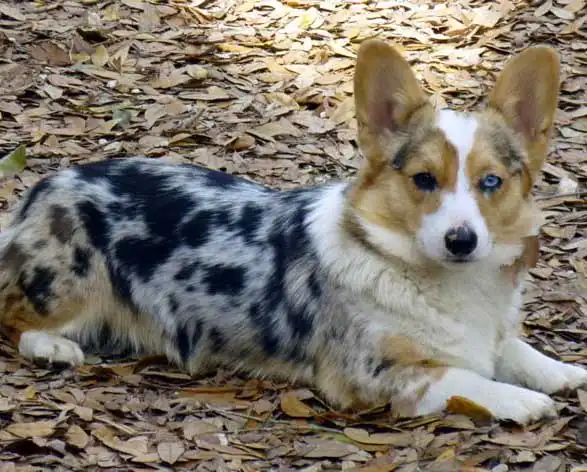
Cardigan Pembroke Corgi
The Cardigan Pembroke Corgi is a hybrid resulting from the crossbreeding of the Cardigan Welsh Corgi and the Pembroke Welsh Corgi. While comprehensive details about this hybrid are scarce, there is extensive information available about its parent breeds. These two breeds are closely linked and are often described as “cousins” in various research. Both hail from the United Kingdom, with the Cardigan Welsh Corgi being the older of the two, dating back to 1200 B.C., while the Pembroke Welsh Corgi emerged around 1200 A.C. Historically, both breeds were bred for similar roles, mainly in herding and tracking, and are appreciated for their adeptness in managing livestock while skillfully evading kicks from larger animals. The interbreeding of these breeds took place in the early 20th century, which explains their notable similarities in appearance. Beyond their shared physical traits and abilities, both breeds possess comparable temperaments, marked by affection, alertness, gentleness, intelligence, love, and loyalty. The Pembroke Welsh Corgi adds further qualities to the mix, including cheerfulness, friendliness, independence, liveliness, sociability, and playfulness. Although both breeds are known for their consistent shedding, they are generally regarded as low-maintenance when it comes to grooming.
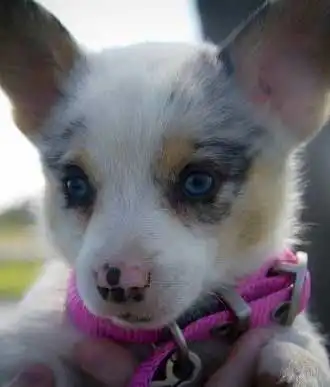
Breed Origin
The ancestry of the Cardigan Pembroke Corgi can be traced back to its two parent breeds, one originating around 1200 B.C. and the other around 1200 A.C. Initially, both breeds were developed for herding, hunting, and tracking across various regions of the United Kingdom. In the early 20th century, these breeds were interbred, a practice that has since been restricted to maintain the unique traits of the Cardigan and Pembroke Corgis. This crossbreeding has led to a greater similarity between the two breeds, particularly in their temperamental characteristics. Both parent breeds are adept at herding livestock while ensuring the safety of the animals and themselves. Their short legs and low build help them evade injuries from kicks by agitated livestock. Although they are still utilized for herding in certain areas, they also actively participate in agility and obedience competitions, as well as dog shows. Corgis make excellent companions for individuals of all ages and tend to get along well with children and household cats. They have proven to be loyal friends and reliable watchdogs in both the United Kingdom and the United States. The hybrid of the Cardigan and Pembroke Corgi is acknowledged by organizations such as the American Canine Hybrid Club, the Designer Dogs Kennel Club, and the International Designer Canine Registry.
Breed Appearance
The Cardigan Pembroke Corgi is a mixed breed that emerges from the union of the Cardigan Welsh Corgi and the Pembroke Welsh Corgi, allowing it to inherit characteristics from either or both parent breeds. Due to the close genetic ties and shared traits of these breeds, this hybrid is expected to have a body that is longer than it is tall, supported by short legs. Its coat is generally smooth and thick, featuring a double layer that offers protection from the elements, and it can come in a variety of colors, such as red, fawn, sable, brindle, black, or blue, with or without distinctive markings. The physical traits of your Corgi may differ based on which parent's genes are more pronounced; it might be stockier and more robust like the Cardigan or smaller and more delicately built like the Pembroke. The tail could take on the Cardigan's low, wide shape or the shorter form typical of the Pembroke. If the Pembroke genes are more dominant, the head and face may exhibit a fox-like appearance, whereas a Cardigan influence could lead to larger ears. The eyes can be either round or oval, contributing to an expression of gentle intelligence. In general, the physical characteristics will closely resemble those of the parent breeds, with the Pembroke typically displaying a finer-boned structure compared to the Cardigan. The coat remains dense, double-layered, and relatively smooth, ensuring good resistance to various weather conditions.


Care Routine
Your Cardigan Pembroke Corgi mix sheds consistently throughout the year, but he is considered low-maintenance when it comes to grooming. To maintain his coat's health, it's advisable to brush him at least once a week, with more frequent grooming during peak shedding seasons. This is especially crucial for anyone in your household who suffers from asthma or other respiratory conditions. Bathing should be reserved for when it is truly necessary, as excessive washing can remove the natural oils that safeguard his weather-resistant fur. Like many dog breeds and their mixes, he will need regular dental check-ups and cleanings to avoid periodontal disease and potential tooth loss. Furthermore, routine examinations of his eyes and ears are vital to reduce the risk of infections and other health complications.
Behavior & Temperament
Your Cardigan Pembroke Corgi mix is likely to display a temperament that reflects the traits of both parent breeds: the Cardigan Welsh Corgi and the Pembroke Welsh Corgi. This dog is expected to be both cautious and polite around new people, while forming deep connections with its owners and family. Typically, he will get along well with children, cats, and other pets, as long as he recognizes them as part of his familiar surroundings. However, he might instinctively use his herding instincts on any unfamiliar individuals who appear suddenly. Thanks to his intelligence, training should generally be straightforward, unless he inherits the more independent nature from the Pembroke lineage. To keep him mentally stimulated and avoid boredom—which can lead to unwanted behaviors—it's important to provide engaging activities. Establishing clear leadership from the outset of your relationship with this hybrid is vital, just as it is with the parent breeds. The Pembroke heritage also brings a higher energy level, which can be effectively managed through daily walks and a variety of enjoyable exercise activities for your pet.


Play & Exercise
Your hybrid dog requires consistent daily exercise unless he is involved in activities typical of a ranch or farm setting. He benefits from daily long walks, agility and obedience training, and interactive games such as fetch and frisbee. To prevent boredom—which can result in unwanted behaviors—it's essential to provide him with both physical and mental stimulation. He loves being around his human family and is always ready to assist with tasks. This breed is versatile enough to thrive in apartments, condos, or family homes, regardless of whether they are fenced, as long as he gets enough exercise. When outdoors, it’s crucial to keep him on a leash due to his instinctive tendency to wander and hunt, a characteristic passed down from his lineage. He can adapt well to both rural and urban settings and is capable of adjusting to different climates.
Things to Know
Cups Per Day
0.0 Cups
Daily Activity
0 Minutes
Average Lifespan
12 Years
Origin
Unknown
Type
Crossbreeds
Size
Not Set
Origin Country
United Kingdom
Brush Frequency
Daily
Coat Texture
Straight
Register
Your kids have been begging for a pet forever, and you've recently decided that it's time for your family to get a new addition -- a dog! While everyone is excited for the new arrival, you're wondering if you need to have a dog license. How much does it cost? Is it required? Where do you get one?
Member Clubs

PETINNATE
Other
Height & Weight
Weight
32 lbs (15 kg)Male: 32 lbs (15 kg) , Female: 32 lbs (15 kg)
Height
12 inches (30 sm)Male: 12 inches (30 sm) , Female: 12 inches (30 sm)