Carolina Dog
American Dingo. Carolina Dingo, American Pariah
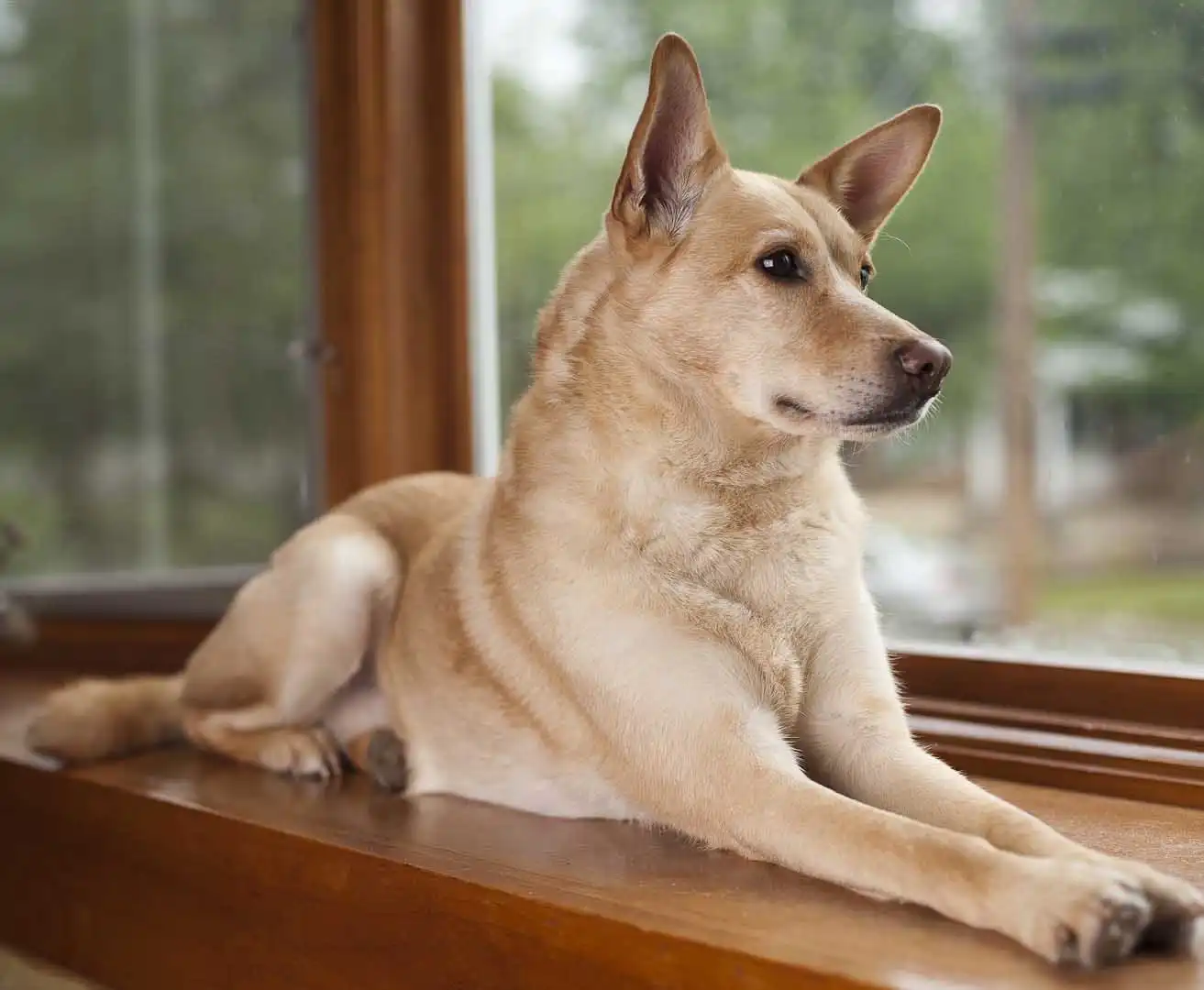
The Carolina Dog is a medium-sized breed known for its primitive traits, which have been preserved due to its rarity. In contrast to many domesticated breeds that often face health problems from overbreeding, the Carolina Dog is generally healthier. This breed is mainly located in the southern United States and is relatively unknown to people outside this region. While he usually gets along well with children, he flourishes in a home with a firm leader, as this helps him recognize his role within the family. Furthermore, he tends to be cautious around unfamiliar faces.

Breed Origin
Historians believe that the Carolina Dog can trace its ancestry back to Pariah Dogs that were brought to North America from Asia around 9,000 years ago. Archaeological findings have revealed canines with skeletal features akin to the Carolina Dog in ancient Native American burial sites. However, it wasn't until about forty years ago that formal recognition of this breed began, thanks to Dr. I. Lehr Brisbin, Jr., a biology professor at the University of Georgia, who embarked on research into the breed. Dr. Brisbin first encountered the Carolina Dog at an ecology site overseen by the U.S. Department of Energy along the Savannah River, where he observed dogs resembling Dingoes living in remote swamp areas of South Carolina. While some of these dogs remained wild, he also found breeders committed to preserving the breed. It is thought that these dogs developed close relationships with Native American tribes, accompanying them on their travels. Despite retaining many of their wild instincts, they also acted as hunting partners and village dogs throughout their journeys with various tribes. The Carolina Dog is still considered a primitive breed, maintaining many ancestral instincts, and today, there are more domesticated Carolina Dogs than feral ones in the southern United States. Ecologists, including Dr. Brisbin, are exploring the swamps of the Savannah River basin in search of purebred Carolina Dogs. Once located, these dogs are placed in pre-approved foster homes where they undergo training to become hunters and family companions. The United Kennel Club has officially recognized the Carolina Dog, allowing it to participate in all UKC-sanctioned events. Furthermore, as of July 2017, the American Kennel Club has added the breed to its Foundation Stock Service.
Breed Appearance
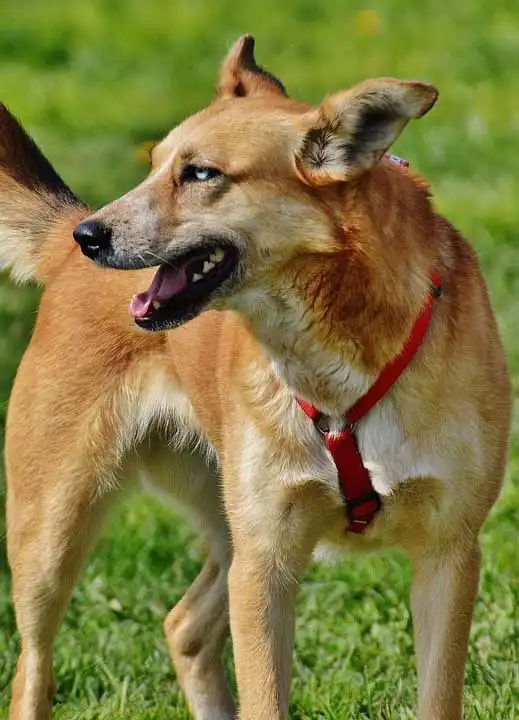
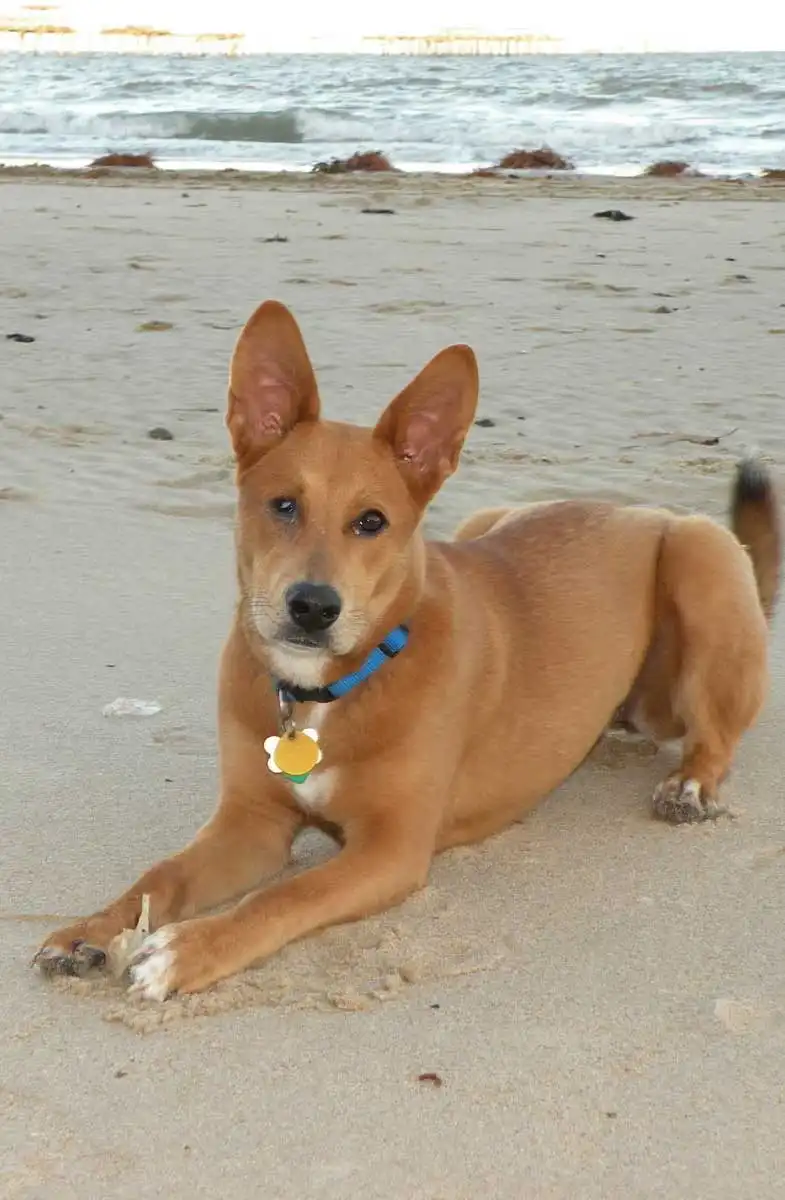
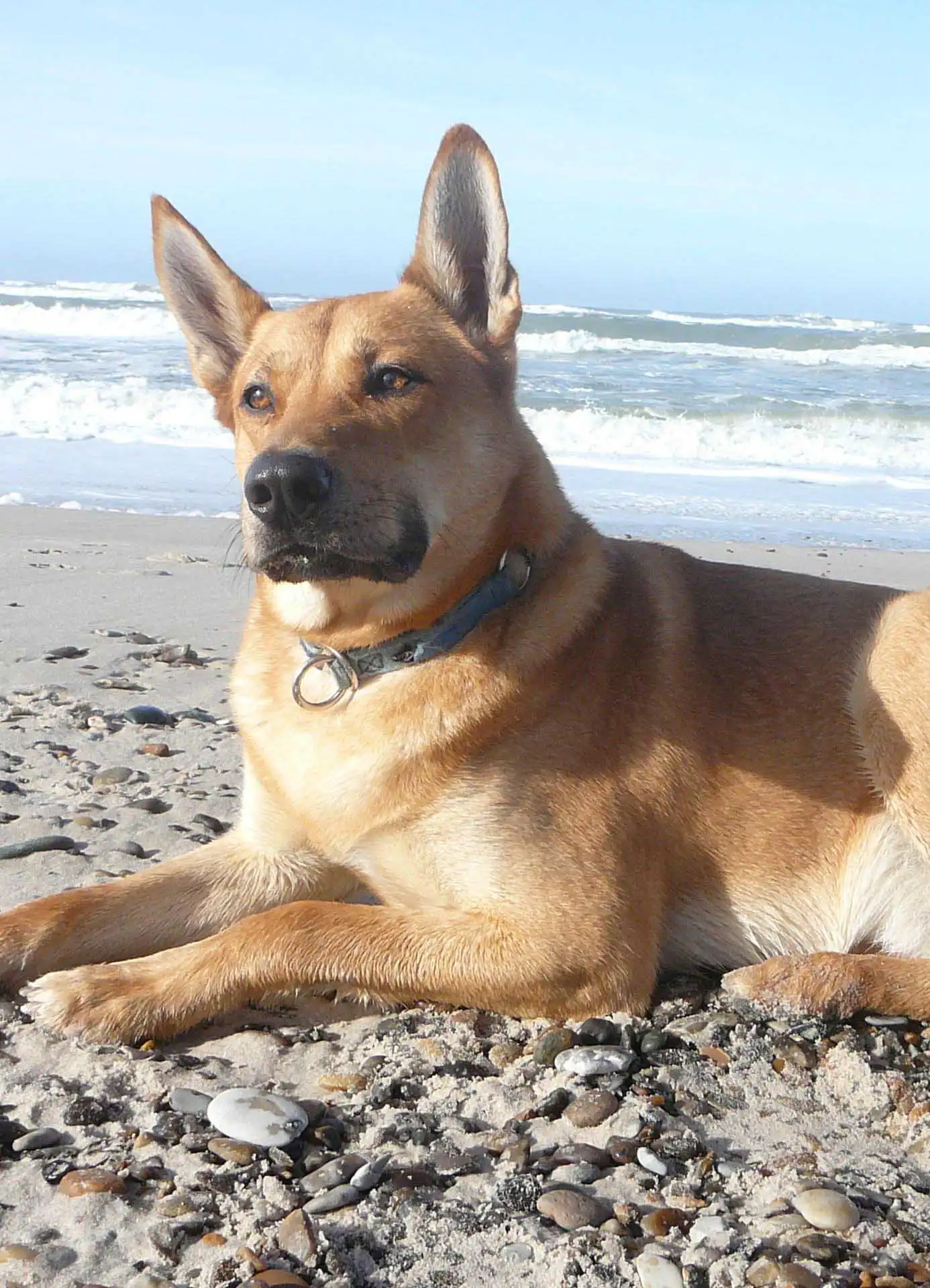
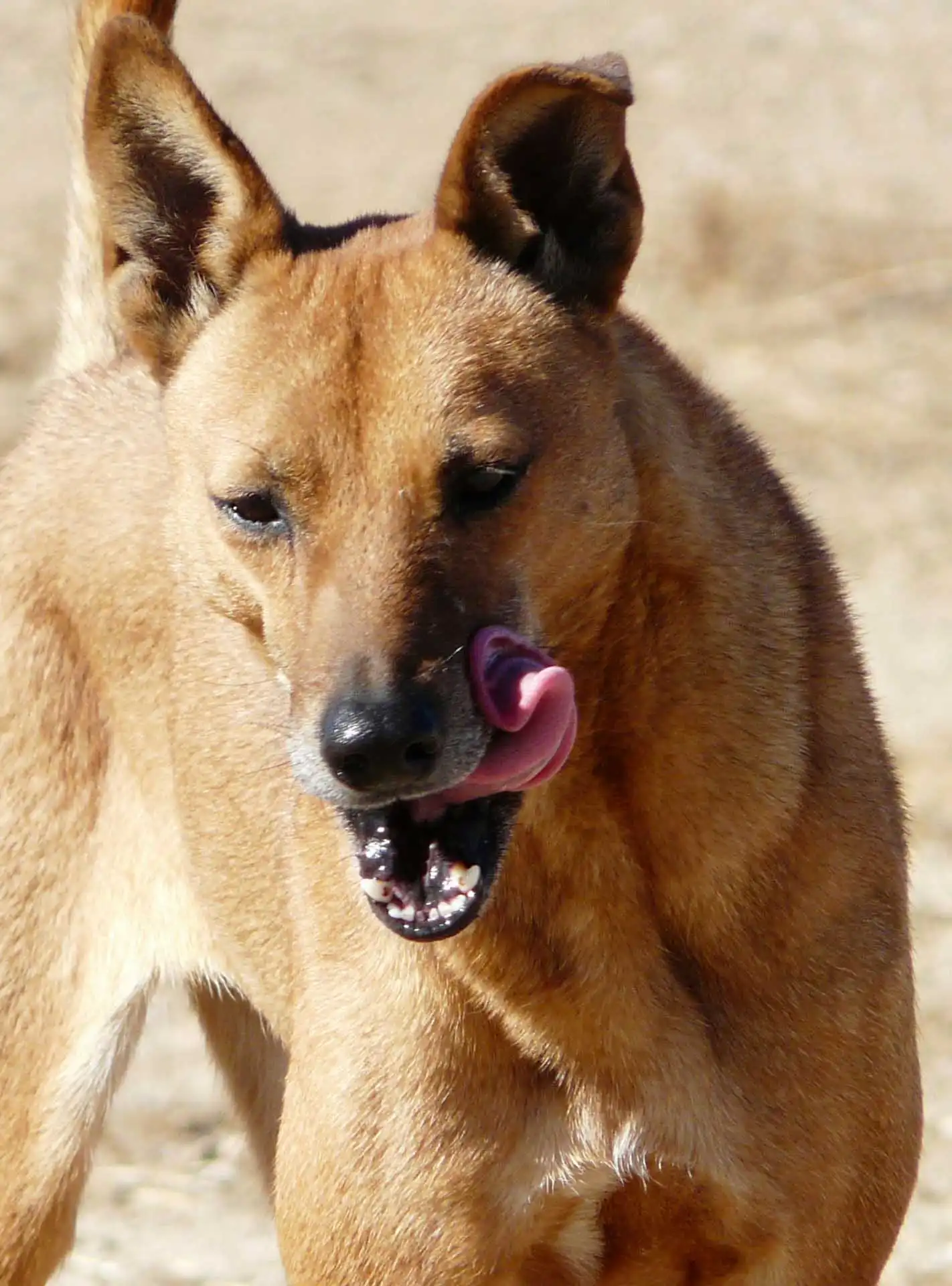
The Carolina Dog is a medium-sized breed that closely resembles the Pariah or feral dogs found in the swamps of the Deep South. This breed is characterized by its prominent, erect ears and a long, gently curved tail, which is carried lower than that of a Spitz. Its almond-shaped eyes are dark brown and surrounded by black rims. The nose is large with open nostrils, typically black, although lighter-colored individuals may have a brown or self-colored nose. The Carolina Dog has a short, dense coat that changes in thickness with the seasons; the summer coat is noticeably thinner than the heavier winter coat. The undercoat is short, thick, and soft, while the topcoat, although longer, is still considered short, straight, and coarse, featuring tougher guard hairs along the back for protection in dense underbrush. This breed comes in various colors, including black and tan, solid cream, red ginger, yellow, red sable, and orange.
Care Routine
The Carolina Dog is relatively easy to care for. Its coat requires minimal upkeep, needing only a quick brush once a week, except during heavy shedding seasons. This breed typically undergoes significant shedding twice a year, which calls for daily brushing to effectively remove loose and dead hair. For grooming, using a slicker brush or a natural bristle brush is advisable, and a deshedder can also be helpful. Due to its considerable shedding, the Carolina Dog is not classified as hypoallergenic. Fortunately, it generally does not have a strong odor and does not require frequent baths. However, during heavy shedding periods, a bath can help loosen the undercoat and speed up the shedding process. In between baths, a dry shampoo or a blend of baking soda and corn starch can be sprinkled on the coat to maintain freshness. Additionally, it’s essential to check the dog’s ears weekly and clean them as needed, along with trimming its nails every two to three weeks.
Behavior & Temperament
The Carolina Dog is typically reserved and not overly affectionate until a strong relationship is formed with its owner. This breed tends to be quiet and somewhat aloof, showing a natural wariness around unfamiliar people, though it should never act aggressively towards them. To combat excessive shyness and promote positive interactions with humans, early socialization is vital. Effective training requires a confident leader, which helps the dog adapt seamlessly to family life. As an instinctive hunter, the Carolina Dog may occasionally bring home "gifts" of small animals it has caught. Being a breed that thrives in packs, it develops strong bonds with other dogs in the household, making it well-suited for families with at least one other canine companion. Due to its strong prey drive, careful supervision is necessary when small pets are around. While it can get along with a cat raised with it from a young age, it's important to remain vigilant.
Play & Exercise
Things to Know
Cups Per Day
2.4 Cups
Daily Activity
60 Minutes
Average Lifespan
13 Years
Origin
1200s
Type
Pure Breeds
Size
Medium
Origin Country
United States
Brush Frequency
Weekly
Coat Texture
Straight
Register
Your kids have been begging for a pet forever, and you've recently decided that it's time for your family to get a new addition -- a dog! While everyone is excited for the new arrival, you're wondering if you need to have a dog license. How much does it cost? Is it required? Where do you get one?
Member Clubs

PETINNATE
Sighthound and Pariah Dog

AKC
Foundation Stock Service

UKC
Sighthound and Pariah Dog
Height & Weight
Weight
39 lbs (18 kg)Male: 39 lbs (18 kg) , Female: 39 lbs (18 kg)
Height
21 inches (53 sm)Male: 21 inches (53 sm) , Female: 21 inches (53 sm)
6 Months
17 lbs ( m 17 lbs, f 17 lbs )
16 inches ( m 16 inches, f 16 inches )
12 Months
30 lbs ( m 30 lbs, f 30 lbs )
18 inches ( m 18 inches, f 18 inches )
18 Months
38 lbs ( m 38 lbs, f 38 lbs )
21 inches ( m 21 inches, f 21 inches )
Eye Colors
Brown

Nose Colors
Black
Brown
Coat Colors
Black
Cream
Red
Sable
Fawn