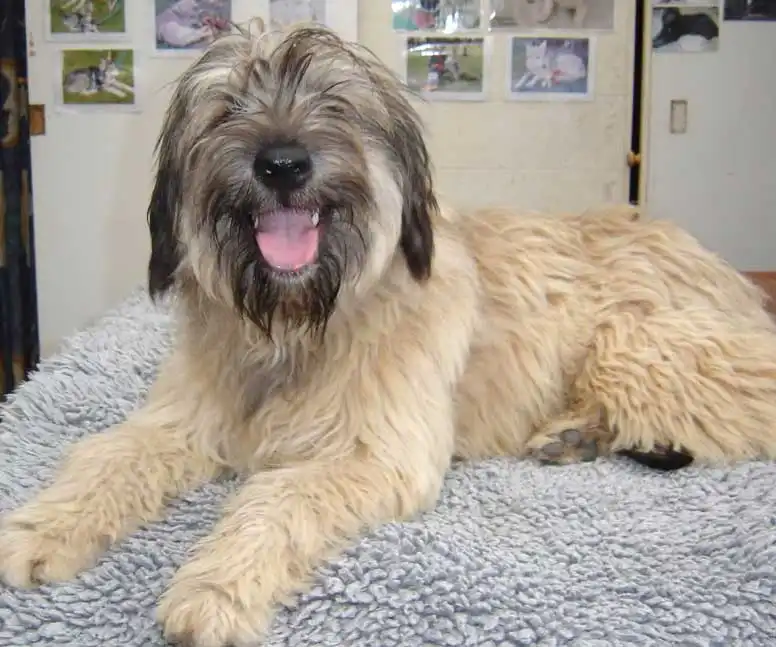
Catalonian Sheepdog
Gos d'Atura Català, Catalan Shepherd, Catalonian Sheepdog, Perros de Pastor Catalan
The Catalan Sheepdog is renowned for its exceptional adaptability, a reputation built on a long-standing history of fulfilling various roles. Like other local breeds such as the Great Pyrenees, this dog was initially bred for the purpose of protecting livestock. Their instinctual guarding behavior is so ingrained that they will instinctively safeguard flocks once they become accustomed to their environment. When livestock is not present, they remain vigilant, keeping a watchful eye over their home and family, always alert to potential dangers in their surroundings. While it’s no surprise that they make excellent watchdogs, their agility may come as an unexpected trait. Despite their sturdy and somewhat hefty build, these dogs are surprisingly nimble and often excel in agility competitions. They are also recognized as outstanding show dogs due to their ability to learn quickly. Compared to some of their regional peers, Catalan Sheepdogs are notably more sociable and tend to develop strong bonds with their families. However, their inherent independence necessitates proper socialization to ensure they interact well with children and other dogs, even though they are generally gentle in nature. Given their history of endurance from guarding tasks, these dogs require significant exercise, especially if they spend extended periods indoors. They thrive in active households with ample outdoor space. Overall, their versatility, trainability, and temperament make them wonderful companions for a variety of families.
Breed Origin
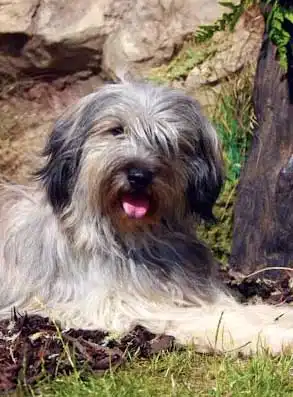
The Catalan Sheepdog is thought to be an ancient breed, emerging from the interbreeding of local Pyrenees and Catalan dogs with two specific types of Roman dogs—one bred for herding cattle and the other for their protection. The lineage of these early canines is considered the cornerstone of the modern Catalan Sheepdog and several similar breeds in the region. Their exceptional intelligence and versatility contributed to their swift rise in popularity throughout Spain, where they served as messengers and guards during the Spanish Civil War. Unfortunately, like many breeds, their numbers drastically decreased during World War II due to food shortages and the urgent need for survival, which overshadowed breeding efforts. However, in the 1970s, a passionate group of enthusiasts worked to restore the breed. Despite their many commendable qualities, Catalan Sheepdogs are still relatively uncommon outside their homeland. Nonetheless, ongoing breeding initiatives and growing awareness are slowly changing this situation, as evidenced by their role as the mascot for the 1992 Olympic Games.
Breed Appearance
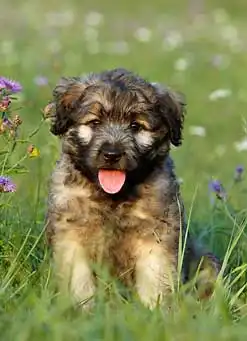
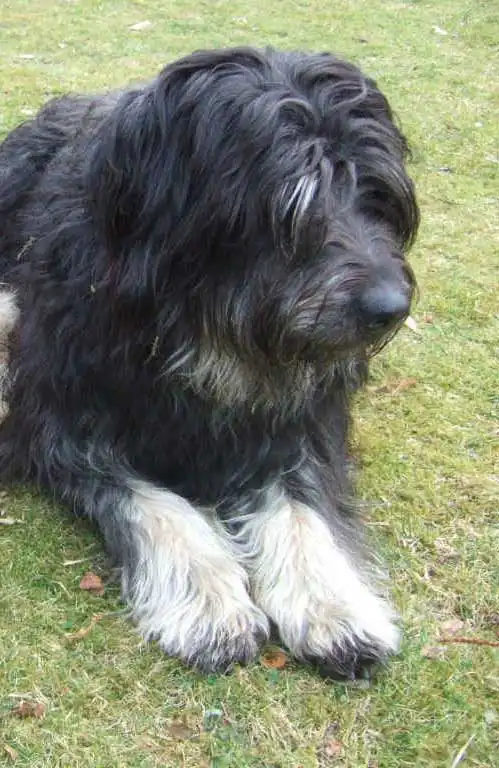
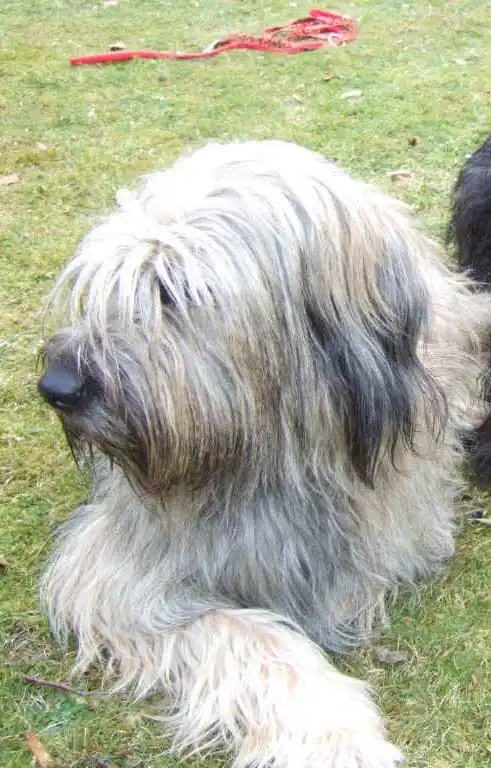
The Catalan Sheepdog is a medium-sized breed, generally standing between 18 to 22 inches tall at the withers and weighing between 37 to 55 pounds, with some of that weight attributed to their thick fur. This breed is easily identifiable by its long, straight or gently wavy coat that covers most of its body, including the face, and is complemented by a soft, dense undercoat. Their fur comes in a variety of colors, including fawn, sable, grey, and black. There are two main types: the more prevalent longhaired variety and a rare shorthaired version that is nearing extinction. Despite the longhaired type's shaggy appearance, these dogs are surprisingly strong and athletic. They have well-proportioned heads, with skulls that are longer than they are wide and a blunt, elongated muzzle. Their dark, round eyes are often partially hidden by facial hair, and their ears are set high, triangular, and folded. The breed has a rectangular body shape with a straight back that ends in a long, furry tail. Their legs, especially the thighs, are notably muscular, and their slightly tucked belly contributes to their overall athletic appearance.
Care Routine
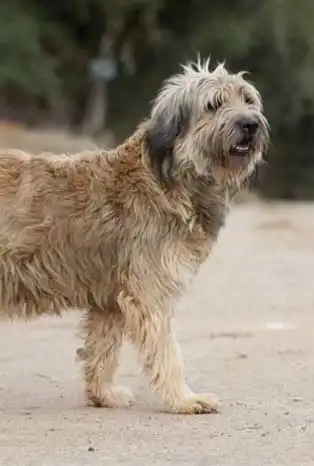
Despite having a dense coat, Catalan Sheepdogs only need moderate grooming. It’s recommended to brush them several times a week to prevent matting. Although they don’t shed heavily, they do lose some hair, which tends to remain in their coat and can cause tangles. Regular trimming or the use of a dematter can help manage this, and many owners choose professional grooming to keep their dogs’ coats in top shape. Consistent brushing not only maintains cleanliness and reduces tangles but also enables owners to identify potential health issues, such as lumps. Furthermore, their ears should be checked regularly, as the combination of fur and their folded shape can trap moisture and wax, heightening the risk of ear infections. Like all dog breeds, their nails should be trimmed as needed, and their teeth should be brushed weekly.
Behavior & Temperament
Catalan Sheepdogs are celebrated for their remarkable temperaments and their ability to adapt to a variety of living environments. Unlike many local guard dog breeds, these dogs develop strong bonds with their families, particularly with those who dedicate time to their training and socialization. While they are generally relaxed and manageable at home, some socialization is essential to ensure they interact well with children and other pets, despite their inherently gentle disposition. They flourish when given responsibilities, whether it’s patrolling the yard or playing, but their high energy levels necessitate significant mental and physical engagement to keep them content. Although they tend to be cautious around strangers, they are usually non-aggressive, often opting to calmly position themselves between unfamiliar people and their home or family, similar to their instinctive behavior when guarding livestock. This breed is highly intelligent; rather than exhibiting stubbornness like many others, Catalan Sheepdogs utilize their smarts to quickly grasp commands and consistently show obedience.
Play & Exercise
Catalan Sheepdogs are recognized for their vibrant energy, a characteristic linked to their robust physique, size, and historical endurance. These dogs flourish in settings with active families or in homes that offer ample outdoor space for running, playing, or patrolling. To satisfy their exercise requirements, they generally need between 16 to 18 miles of running or walking weekly, or ideally, around 60 to 80 minutes of daily activity. Many owners discover effective methods to engage their dogs mentally and physically, such as playing fetch at the dog park or tossing frisbees. These activities not only fulfill their exercise needs but also contribute to maintaining their good behavior both inside and outside the home.
Things to Know
Cups Per Day
3.5 Cups
Daily Activity
70 Minutes
Average Lifespan
13 Years
Origin
Ancient Times
Type
Pure Breeds
Size
Medium
Origin Country
Spain
Brush Frequency
Daily
Coat Texture
Wavy
Register
Your kids have been begging for a pet forever, and you've recently decided that it's time for your family to get a new addition -- a dog! While everyone is excited for the new arrival, you're wondering if you need to have a dog license. How much does it cost? Is it required? Where do you get one?
Member Clubs

PETINNATE
Herding Dog

UKC
Herding Dog
Height & Weight
Weight
46 lbs (21 kg)Male: 50 lbs (23 kg) , Female: 42 lbs (19 kg)
Height
20 inches (51 sm)Male: 21 inches (53 sm) , Female: 20 inches (51 sm)
6 Months
29 lbs ( m 29 lbs, f 29 lbs )
14 inches ( m 14 inches, f 14 inches )
12 Months
35 lbs ( m 35 lbs, f 35 lbs )
17 inches ( m 17 inches, f 17 inches )
18 Months
41 lbs ( m 41 lbs, f 41 lbs )
19 inches ( m 19 inches, f 19 inches )
Eye Colors
Brown

Nose Colors
Black
Coat Colors
Sable
Gray
Black
Fawn