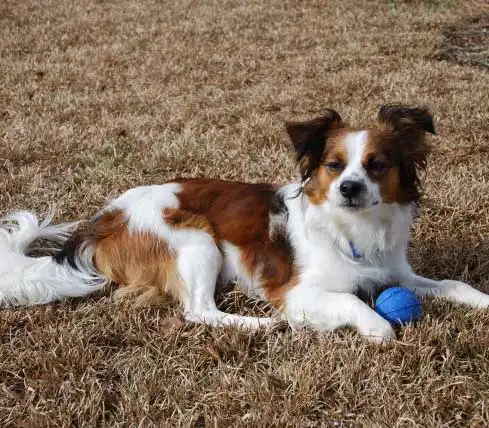
Cava-lon
Drop-Eared Papillon
The Cava-lon is a charming hybrid breed created by crossing a Cavalier King Charles Spaniel with a Papillon. These small dogs usually weigh up to 18 pounds and are available in a range of colors, such as black, brown, white, silver, red, and black and tan. Their long, silky fur needs consistent grooming to avoid tangles. Renowned for their joyful and playful demeanor, Cava-lons are wonderful family pets, particularly because they generally get along well with children. They are smart and eager to learn, responding well to training. Although they don’t need a lot of exercise, regular walks are helpful for keeping them healthy.
Breed Origin
The Cava-lon is a charming hybrid that combines the Cavalier King Charles Spaniel and the Papillon, with origins in France, Italy, and Belgium. The Cavalier King Charles Spaniel was named after King Charles I of Britain in the 1600s. Queen Victoria's affection for this breed led to the development of a modified version known as the English Toy Spaniel in the United States and the King Charles Spaniel in the UK, achieved by crossing Cavaliers with Pugs and the Japanese Chin. This new breed was distinguished by its smaller stature, shorter and flatter face, and rounded skull. In 1926, American Roswell Eldridge offered a reward for finding a pair that resembled the original small spaniel. A year later, a dog named Ann’s Son was found and became the standard for the Cavalier King Charles Spaniel. The breed gained official recognition from the Kennel Club of England in 1944, and the first Cavaliers were brought to America in 1952. They were recognized by the American Kennel Club in 1996 as part of the Toy Group. A Cavalier even made a notable appearance on the television series "Sex and the City," where it was named Elizabeth Taylor and belonged to the character Charlotte York. The Papillon, celebrated for its royal associations, has appeared in many portraits of European aristocracy. According to legend, Marie Antoinette was holding her cherished Papillon as she approached the guillotine. This breed, affectionately referred to as the Butterfly Dog, Squirrel Dog, and Phal, was frequently depicted in Renaissance Italian art, and King Louis XIV is credited with introducing these dogs to his court. The name Papillon, which translates to "butterfly" in French, is also used interchangeably with the Continental Toy Spaniel. Papillons arrived in the United States in the early 20th century, with the American Kennel Club officially recognizing them in 1915, although they were not registered until the mid-1930s. A significant milestone for the breed occurred in 1999 when a Papillon won Best In Show at the Westminster Kennel Club show.
Breed Appearance
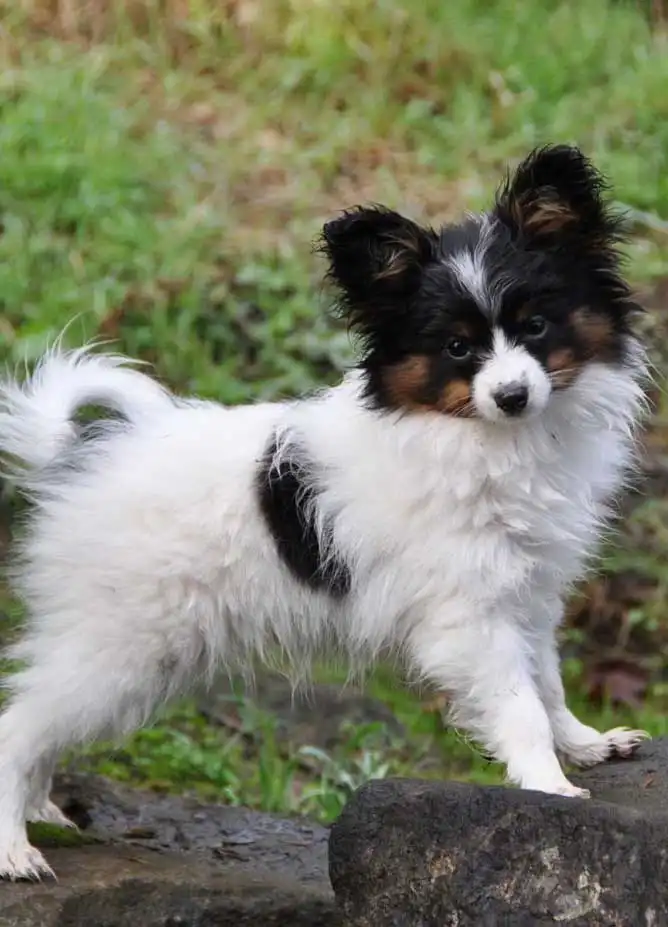
Cava-lons are small dogs, generally weighing up to 18 pounds, and come in a range of colors including black, brown, white, silver, red, or a mix of black and tan. Their long, silky coats require consistent grooming to keep them looking neat. With medium-sized, dark brown eyes, they exude an alert and attentive expression. Depending on which parent breed is more dominant, a Cava-lon may inherit either the longer ears typical of the Cavalier King Charles Spaniel or the more fringed ears of the Papillon, a breed name that means "butterfly," aptly describing their ears that resemble the wings of a butterfly in flight.

Care Routine
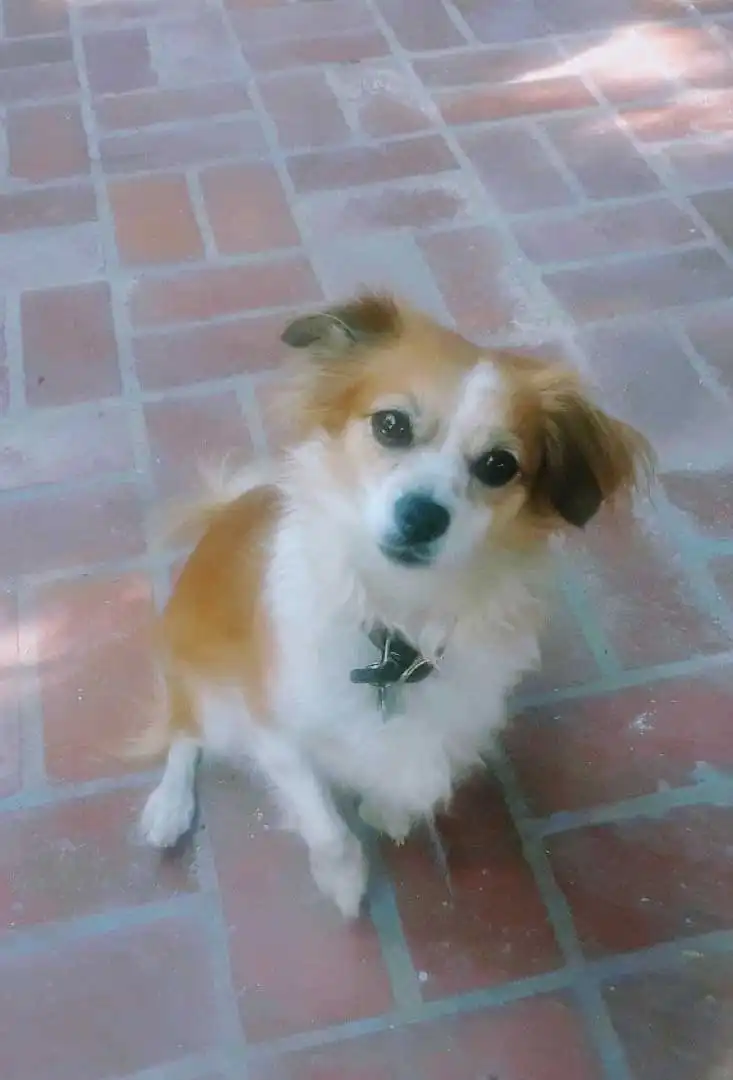
Cava-lons need a moderate amount of grooming, mainly consisting of regular brushing to keep their silky coats shiny. Brushing them twice a week is adequate, as it supports healthy skin by improving blood circulation. This practice also helps eliminate loose fur and prevents tangles. Due to the length of hair on their ears, it's crucial to check them often for dirt or irritation, gently cleaning them with cotton wool when necessary. Furthermore, implementing a daily teeth-brushing routine with a good dog toothpaste is advantageous, and it's essential to routinely assess their nails to see if they require trimming.
Behavior & Temperament
Cava-lons are cheerful and lively dogs that flourish in the company of others, making them wonderful companions for families, particularly those with children. Their loving disposition and easygoing nature make them a great choice for first-time pet owners. While they usually get along well with other dogs and pets in the home, they might have a tendency to chase after smaller animals, so it’s wise to keep them on a leash during outdoor excursions and to enroll them in socialization classes as puppies. Training is generally uncomplicated, as they respond well to positive reinforcement and rewards. Although they are not typically regarded as effective watchdogs, they are quite observant and need regular exercise to stay healthy and fit. Their small size allows Cava-lons to adapt easily to apartment living, but they still require daily walks. Both parent breeds enjoy playing fetch and cherish spending quality time with their families.


Play & Exercise
Your Cava-lon doesn't need a lot of vigorous exercise, but regular play and activity are essential for their well-being and happiness. They are particularly sensitive to cold, so it's crucial to avoid leaving them outside for long stretches during winter and to steer clear of lengthy walks in harsh weather. While these dogs aren't known for excessive barking, they do best in a home with a fenced yard; however, they can also thrive in an apartment setting if they get daily walks. With their intelligence and playful nature, they enjoy mentally stimulating games that keep them engaged and fulfilled.
Things to Know
Cups Per Day
1.0 Cups
Daily Activity
45 Minutes
Average Lifespan
13 Years
Origin
2000s
Type
Crossbreeds
Size
Small
Origin Country
United States
Brush Frequency
Weekly
Coat Texture
Straight
Register
Your kids have been begging for a pet forever, and you've recently decided that it's time for your family to get a new addition -- a dog! While everyone is excited for the new arrival, you're wondering if you need to have a dog license. How much does it cost? Is it required? Where do you get one?
Member Clubs

PETINNATE
Other
Height & Weight
Weight
13 lbs (6 kg)Male: 14 lbs (6 kg) , Female: 12 lbs (5 kg)
Height
12 inches (30 sm)Male: 12 inches (30 sm) , Female: 12 inches (30 sm)
Eye Colors
Brown

Nose Colors
Black
Coat Colors
Black
Brown
White
Silver

Red
Pied