Cavador
Cavadoor
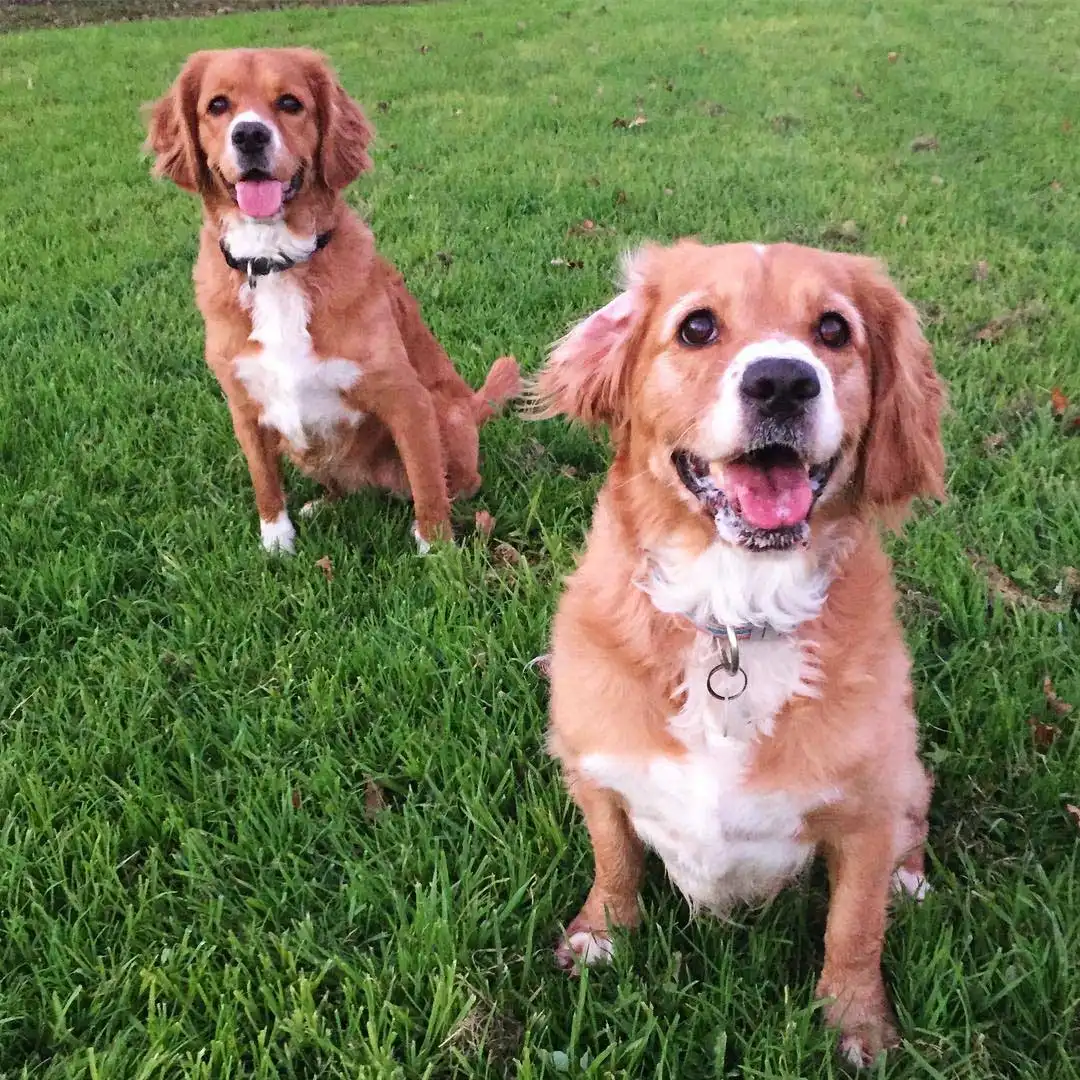
The Cavador is a mixed breed that merges characteristics of the Cavalier King Charles Spaniel and the Labrador Retriever. They typically showcase a range of colors, including yellow, golden, and black, but can also appear in shades of red and cream, often featuring white markings on their chest, face, paws, and tail tip. These dogs are medium-sized, usually weighing up to 55 pounds. Renowned for their friendly disposition, Cavadors are wonderful family pets, thriving in the company of children and other animals. However, given their Retriever heritage, some may have a natural hunting instinct, so it's wise to keep an eye on them around smaller creatures. While they don’t require extensive grooming, they do enjoy regular physical activity.

Breed Origin
The Cavador is a mixed breed that results from the combination of a Cavalier King Charles Spaniel and a Labrador Retriever, the latter being the most popular dog breed in the United States. The Labrador Retriever's roots can be traced back to Newfoundland, Canada, where they were originally bred to help hunters retrieve game. Known initially as St. John's Dogs, these animals date back to the 16th century and were also referred to as the Lesser Newfoundland. They were essential for retrieving items and pulling fishing nets from the water. With their friendly nature, Labradors make wonderful family pets and proficient sporting dogs. Their high intelligence often leads to their training as guide dogs and in search and rescue missions. The breed has faced near extinction on several occasions, and the St. John's dogs, the ancestors of Labradors, are now extinct in Newfoundland. In the 1820s, Labradors were brought to England as gundogs and gained official recognition from the American Kennel Club in 1917. Conversely, the Cavalier King Charles Spaniel boasts a rich heritage as a cherished companion of the aristocracy, including prominent figures like King Charles I of Britain in the 1600s, which is how the breed got its name. Historical records from the 1800s refer to the Blenheim Spaniel, named after the estate of the 1st Duke of Marlborough, John Churchill. This specific spaniel was red and white, representing one of the variations within the Cavalier King Charles Spaniel lineage. Over time, the breed has seen numerous changes in standards, not all of which were accepted by spaniel clubs. Queen Victoria also owned a spaniel, which contributed to the emergence of a slightly different variation known in America as the English Toy Spaniel and in the UK as the King Charles Spaniel. This variation resulted from crossing Cavaliers with Pugs and Japanese Chins. The history of the Cavalier King Charles Spaniel is extensive and at times complex. The breed recognized today, which has different standards from those appreciated by King Charles, John Churchill, and Queen Victoria, was officially acknowledged by the American Kennel Club in 1996 as part of the Toy Group.
Breed Appearance
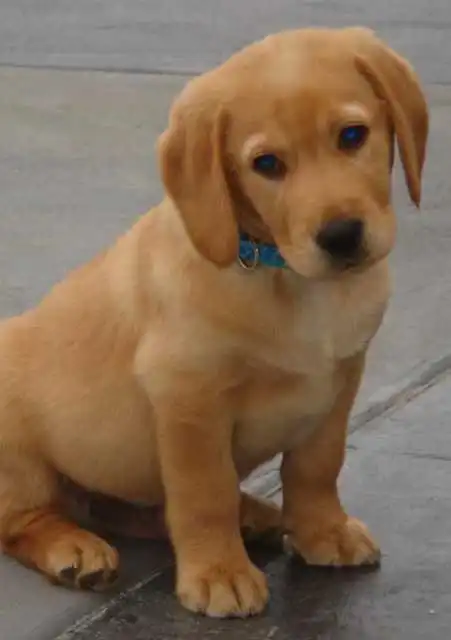
Cavador dogs are medium-sized canines that typically come in shades of yellow, gold, and black, but they can also be found in red and cream. Many of these dogs display white markings on their chests, faces, toes, and tail tips. Their coats vary from short to medium length, featuring a smooth, dense, and water-resistant texture. They have brown, almond-shaped eyes and floppy ears, which may have some feathering. Cavadors often inherit characteristics from their parent breeds. For instance, the Labrador Retriever is known for its broad skull and soft, intelligent brown or hazel eyes that are not overly prominent. Its ears sit close to the head, and it has a medium-length, thick tail. On the other hand, the Cavalier King Charles Spaniel is distinguished by its slightly rounded skull, large, round eyes that are not widely spaced, and high-set, long ears that are also feathered.

Care Routine
Cavadors have a moderate grooming requirement, generally needing their coats brushed once or twice weekly. They shed a fair amount, so regular brushing is essential to remove loose hair and any dirt they may have accumulated. If your dog enjoys playing in water or rolling in mud, a bath with a quality dog shampoo may be necessary. Conversely, if they tend to stay clean, bathing can be limited to just a few times a year. It's vital to prioritize dental health, so aim to brush your dog's teeth daily. Additionally, regularly check their ears for dirt, which can be gently cleaned with a damp cotton ball. Don’t overlook their nails; make sure to assess whether they need trimming.
Behavior & Temperament
The Cavador, a delightful blend of its parent breeds, is a friendly and loving companion, making it a perfect fit for families. Known for their gentle nature and sociability, these dogs get along well with children and other pets. Although they may instinctively chase smaller animals due to their strong hunting instincts and acute sense of smell, their intelligence allows for easy training. While Cavadors might bark at strangers, their affectionate temperament means they are not typically regarded as reliable guard dogs. They respond particularly well to training methods that incorporate positive reinforcement and rewards. Given the Labrador Retriever's common roles in search and rescue and as guide dogs, it’s likely that your Cavador will display similar traits. With a high energy level, these dogs need regular exercise to remain healthy and content, and they thrive on family activities, as they dislike being excluded.


Play & Exercise
Cavadors need plenty of exercise to stay fit and healthy, making daily walks a fantastic option. These dogs also enjoy activities like swimming, playing fetch, and accompanying you on jogs. Their playful disposition means they love engaging in games, whether in the yard or indoors. If they don’t get enough physical activity, they may become bored or exhibit destructive behaviors, underscoring the necessity of a consistent exercise routine. While having a yard is ideal for this breed, they can adapt to apartment living as long as they receive regular exercise. Furthermore, Cavadors are susceptible to weight gain, so maintaining an active lifestyle is crucial for their overall health. They do best in mild weather but can adjust to both warmer and cooler climates, as long as they aren’t left outside for long periods.
Things to Know
Cups Per Day
3.0 Cups
Daily Activity
60 Minutes
Average Lifespan
12 Years
Origin
1990s
Type
Crossbreeds
Size
Medium
Origin Country
United States
Brush Frequency
Weekly
Coat Texture
Straight
Register
Your kids have been begging for a pet forever, and you've recently decided that it's time for your family to get a new addition -- a dog! While everyone is excited for the new arrival, you're wondering if you need to have a dog license. How much does it cost? Is it required? Where do you get one?
Member Clubs

PETINNATE
Other
Height & Weight
Weight
39 lbs (18 kg)Male: 40 lbs (18 kg) , Female: 38 lbs (17 kg)
Height
22 inches (56 sm)Male: 22 inches (56 sm) , Female: 21 inches (53 sm)
Eye Colors
Brown

Nose Colors
Black
Coat Colors
Black

Brown
Fawn
Red
Cream