Cavapom
The Cavapom is an enchanting hybrid breed, born from the combination of a Cavalier King Charles Spaniel and a Pomeranian. Given this delightful heritage, it’s easy to see why Cavapoms are celebrated for their adorable looks and charming personalities. These dogs are known for their playful and loving nature, showcasing a blend of the Pomeranian's alertness and the Cavalier's friendly disposition. Cavapoms are highly trainable and tend to pick up commands quickly, thriving on positive reinforcement through praise and treats. They usually get along well with children, but it’s advisable to supervise interactions with kids under six, as they might unintentionally injure the small dog during playtime. With a moderate level of energy, Cavapoms can easily adapt to their owners' lifestyles, enjoying leisurely walks and socializing with both people and other dogs. However, it’s essential to keep them on a leash in unsecured areas, as they may chase after birds or other distractions. While some Cavapoms love to play fetch, others prefer to snuggle in your lap, relishing the affection. Their lovable nature makes them a favored choice for families. Nonetheless, it’s vital to choose a reputable breeder who performs health screenings to mitigate the risk of genetic issues that could arise from their parent breeds.
Breed Origin
The Cavapom is a relatively recent hybrid breed, and as such, it doesn't have an extensive historical record. However, we can explore its ancestry through its parent breeds. The Pomeranian, named after the Pomerania region that is now part of Germany and Poland, was initially a much larger dog utilized by sheep herders. This breed evolved from ancient Spitz dogs and became popular among prominent figures like Marie Antoinette, Emile Zola, Mozart, and Queen Victoria. The Pomeranian was officially recognized as a distinct breed by the Kennel Club in England during the 1870s. Queen Victoria began breeding them in 1888, focusing on reducing their size, which significantly increased their popularity in England. The American Kennel Club also recognized these delightful dogs in the same year. Despite their diminutive size, Pomeranians maintain a strong sense of self-importance and exhibit various skills, including being effective watchdogs, displaying agility, and performing tricks, which has made them favorites in the circus world. Conversely, the Cavalier King Charles Spaniel is named after King Charles II and descends from the King Charles Spaniel. In the late 1600s, these spaniels were crossed with Pugs, resulting in a smaller dog with a flatter nose, large eyes, and a rounded head—traits characteristic of the modern King Charles Spaniel. An American named Roswell Eldridge sought to revive the longer-nosed King Charles dogs depicted in Van Dyck's paintings of the king and his spaniels prior to the Pug influence. In 1920, he offered a prize at the Crufts Dog Show in London for any dog that matched his ideal. A dog named Ann’s Son, owned by Miss Mostyn Walker, won the Eldridge prize, but sadly, Eldridge had passed away just a month earlier and could not present the award himself. American breeders embraced his vision, leading to the creation of the Cavalier we know today, which is a true descendant of King Charles II's royal spaniels. The Cavalier King Charles Spaniel was officially recognized as a separate breed in the 1940s. These small, charming, and affectionate dogs are beloved by their owners and have contributed some of their traits to the Cavapom, along with the delightful qualities of the Pomeranian.
Breed Appearance
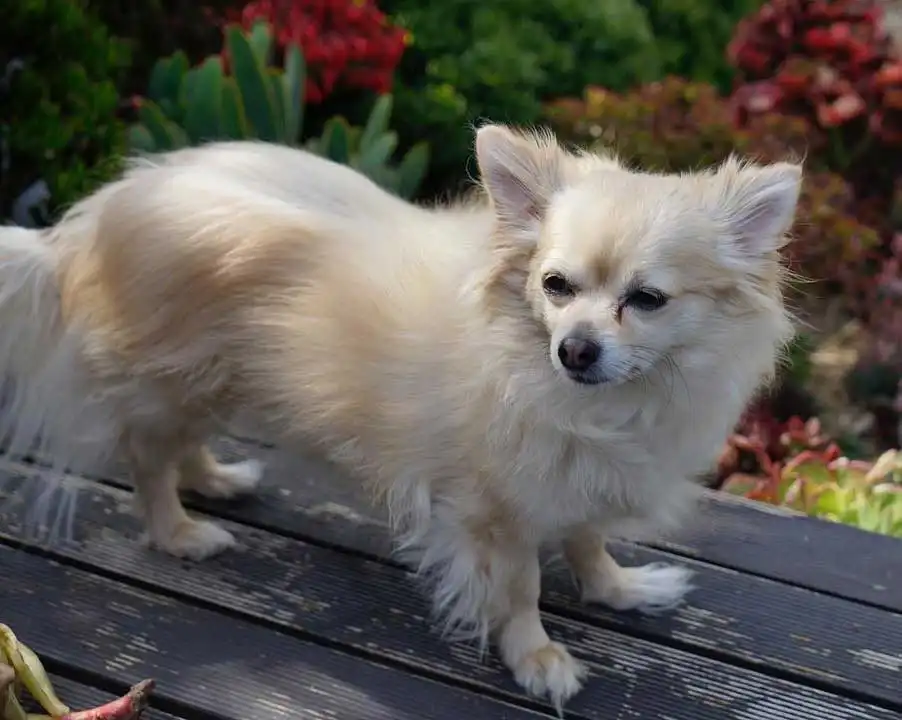
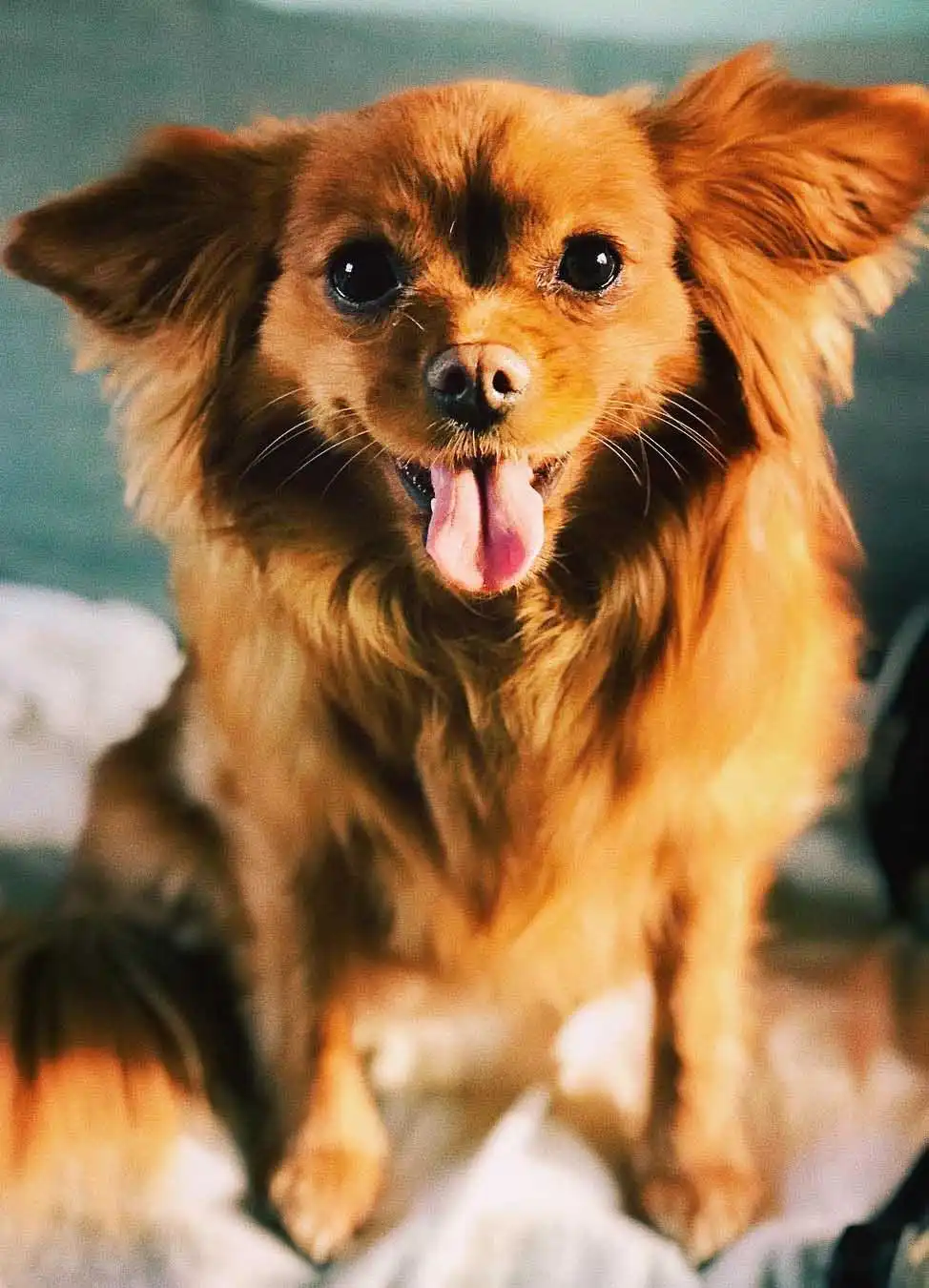
The Cavapom is an endearing small breed known for its harmonious proportions, which include a gently rounded skull and a full muzzle. The color of its nose is determined by the genetic characteristics inherited from its parent breeds, ranging from the Cavalier's black to various shades that match its coat. This breed exhibits a scissors bite in its teeth, and its dark eyes are typically rounded or nearly almond-shaped, often highlighted by dark rims. The fluffy coat of the Pomeranian can sometimes obscure the Cavapom's body shape. As is common with hybrid breeds, there can be a range of physical characteristics. For example, the ears may be small and erect like a Pomeranian's or long and high-set with abundant feathering, similar to those of a Cavalier. The coat can either mimic the Pomeranian's thick double layer, which has a coarse outer coat and a soft, short undercoat, or it may resemble the Cavalier's silky, medium-length fur, complete with feathering on the ears, chest, body, and legs. The tail can vary as well, appearing either feathered and lying flat against the back or long and elegantly feathered, held lower. Regardless of which parent breed's traits are more pronounced, the Cavapom is a delightful small dog full of personality and charm.

Care Routine
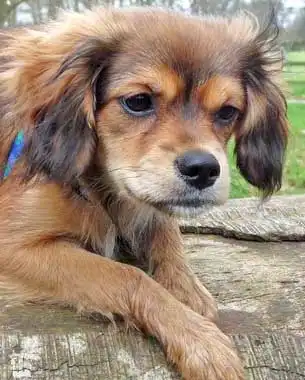
The grooming requirements for your Cavapom are primarily influenced by the type of coat it inherits. If your dog has a coat similar to that of a Pomeranian, it will need frequent brushing to maintain its look. A useful technique is to divide the coat into sections, brushing it forward and working from the head to the tail, which allows the hair to fall back into its natural position. On the other hand, if your Cavapom takes after the Cavalier, regular brushing with a firm bristle brush will help keep its coat neat. You can use dry shampoo as necessary and be vigilant about preventing tangles in any feathering. It's also essential to clean the ears regularly and keep an eye on the eyes for any signs of infection. Lastly, a thorough dental check and brushing will contribute to your Cavapom's overall health and well-being.
Behavior & Temperament
The Cavapom is a lively and loving small breed, celebrated for its friendly and outgoing demeanor. This dog is keen to make its owners happy, showcasing both intelligence and a willingness to learn. While they display a confident personality, they benefit from a training approach that is both firm and gentle. Positive reinforcement is key; they respond well to encouragement, affection, and small rewards. By establishing yourself as the leader early on, you will gain their respect and loyalty, ensuring they adhere to your guidance. These dogs are not meant for kennel living; they thrive as devoted companions who crave regular interaction with their families. The Cavapom adapts well to apartment life, but it’s crucial to manage any tendencies to bark excessively at passersby. Teaching them that a single bark is enough can help maintain a tranquil atmosphere for your neighbors. If you anticipate being away during the day, providing a good walk beforehand will help them burn off energy and reduce the likelihood of destructive behavior. Given their instinct to chase, it’s wise to keep them leashed during walks. When trained properly and recognizing you as their leader, Cavapoms can make excellent family pets. It’s important to instruct young children on how to interact gently with this small breed, as rough play may result in unintentional injuries. When raised with other animals, Cavapoms generally get along well, often forming strong bonds and friendships.


Play & Exercise
The Cavapom's naturally playful disposition usually meets its exercise needs, but it also enjoys going for walks, which are beneficial for its fitness and socialization. Due to their instinctual hunting tendencies, it's advisable to keep them leashed during these outings. This breed thrives on learning new tricks and responds positively to training when provided with sufficient encouragement. On warm days, they can easily overheat, so it's crucial to keep them calm and cool, ensuring they have access to shade and good airflow. While having a yard isn't essential for a Cavapom, if one is available, they will delight in exploring it, especially in your company.
Things to Know
Cups Per Day
1.0 Cups
Daily Activity
60 Minutes
Average Lifespan
11 Years
Origin
Unknown
Type
Crossbreeds
Size
Small
Origin Country
United States
Brush Frequency
Daily
Coat Texture
Straight
Register
Your kids have been begging for a pet forever, and you've recently decided that it's time for your family to get a new addition -- a dog! While everyone is excited for the new arrival, you're wondering if you need to have a dog license. How much does it cost? Is it required? Where do you get one?
Member Clubs
PETINNATE
Other
Height & Weight
Weight
14 lbs (6 kg)Male: 15 lbs (7 kg) , Female: 12 lbs (5 kg)
Height
13 inches (33 sm)Male: 13 inches (33 sm) , Female: 13 inches (33 sm)
Eye Colors
Brown
Nose Colors
Black
Coat Colors
Black
Brown
White
Red
Brindle
Cream