Cavapoo
Cavadoodle, Cavoodle
The Cavapoo is a lively and clever breed, celebrated for its obedience and ability to solve problems. To keep your dog mentally engaged, it’s important to start training early. A gentle approach works best, incorporating plenty of praise and small treats to motivate your eager Cavapoo puppy. Some members of this breed can be quite sensitive, making it essential to provide diverse experiences and socialization opportunities to help them grow into calm and well-behaved adults. With their charming appearance and gentle temperament, Cavapoos make wonderful family pets, thriving on human companionship. They typically get along well with both cats and dogs, but they have a strong need for human interaction. Although they don’t require excessive exercise due to their naturally active nature, regular walks are beneficial for keeping them fit and socially connected.
Breed Origin
The Cavapoo is a mixed breed that emerges from the union of a Poodle and a Cavalier King Charles Spaniel. This intentional crossbreeding seeks to produce a dog that embodies a combination of appealing qualities, such as a hypoallergenic, non-shedding coat. By exploring the backgrounds of its parent breeds, one can gain insight into the traits that a Cavapoo is likely to inherit. The Poodle, celebrated for its grace, intelligence, and dignified presence, was initially developed for hunting waterfowl. While its origins can be traced back to Germany, it was in France that the breed was refined into its current form. The Poodle boasts an ancient history, with images resembling modern Poodles appearing in Roman and Egyptian art. In the 1400s, breeders began to create smaller versions, leading to the introduction of the Miniature and Toy Poodles. The Standard Poodle was employed by the French for duck hunting, the Miniature Poodle excelled at truffle hunting, and the Toy Poodle became a favored companion among the elite. These dogs also gained popularity in circuses due to their quick learning abilities. The American Kennel Club recognized its first Poodle in 1886, and by the 1950s, Poodles had risen to become the most popular breed in the United States, a status they held for over forty years. The Cavalier King Charles Spaniel is a descendant of the King Charles Spaniel. In the late 1600s, these spaniels were interbred with Pugs, resulting in a smaller dog with flatter noses and prominent eyes. A key figure in the breed's development, Roswell Eldridge, offered a prize at the Crufts Dog Show in London for anyone who could present a King Charles Spaniel with a longer nose. Although a suitable dog was eventually found, Eldridge passed away before his vision could be fully realized. Other breeders continued his pursuit, ultimately creating the Cavalier King Charles Spaniel we recognize today, reminiscent of the dogs portrayed in Van Dyck's paintings of King Charles II and his cherished spaniels. With a lineage rich in royal admiration, having been adored by both King Charles I and King Charles II, it’s no surprise that Cavapoos exude a touch of regal charm in their demeanor, reflecting their noble heritage.
Breed Appearance
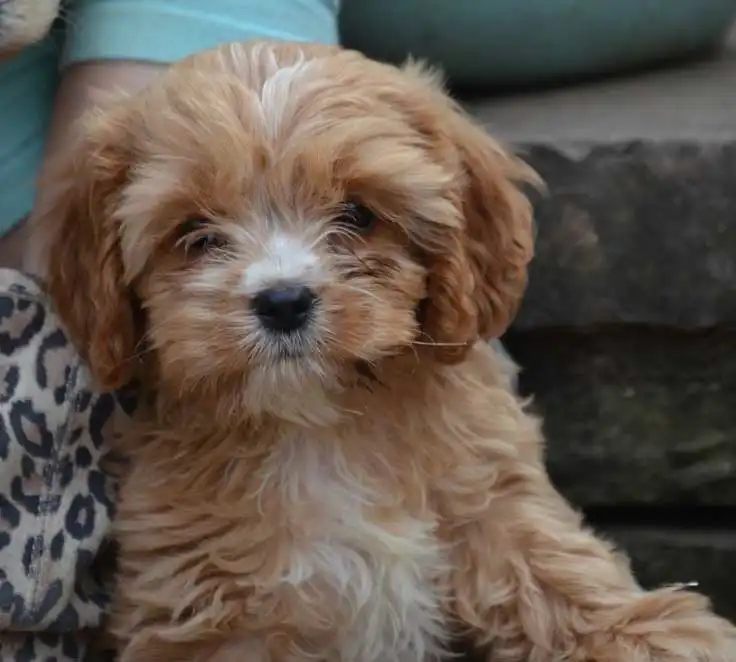
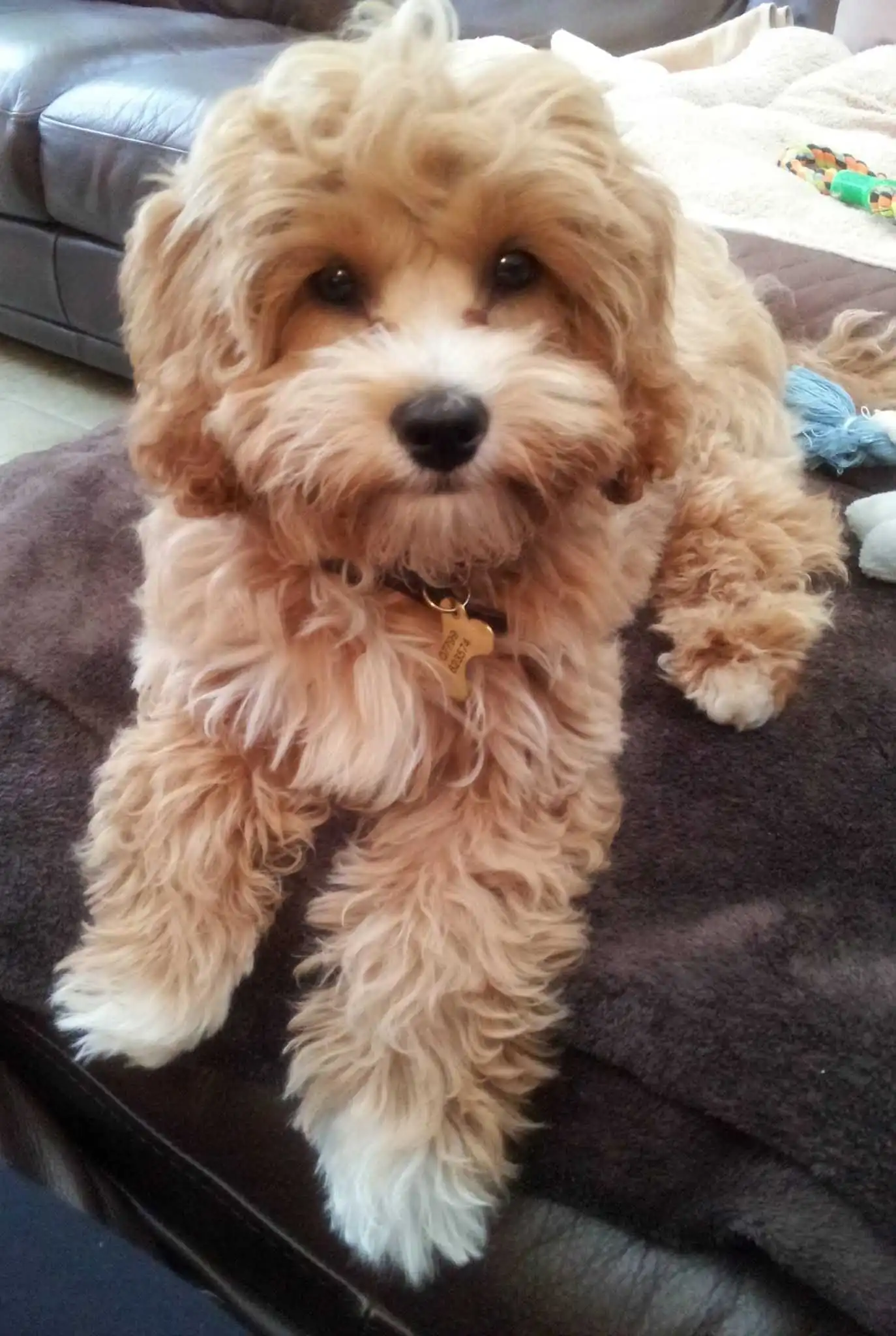
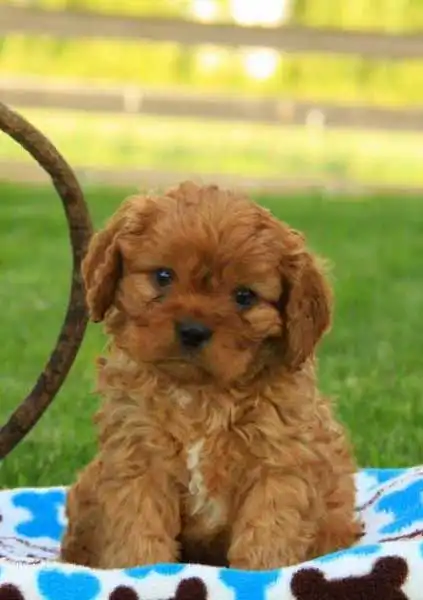
The appearance of a Cavapoo can vary greatly depending on the genetic characteristics inherited from its parent breeds. Generally, they feature compact faces with long, floppy ears that are fringed and prominent brows. Their bodies are small yet well-proportioned, supported by sturdy, short legs that may display the Cavalier's distinctive fringes. Their small, round, often fluffy feet add to the charm of this delightful breed. The muzzle is elongated and sports an adorable button nose, while their large, round, and widely spaced eyes exude expressiveness and innocence. Despite having a slightly regal air, Cavapoos are anything but aloof; they are sociable dogs that thrive on companionship and love being close to their families. As puppies, they are irresistibly charming and often choose their owners rather than the other way around.

Care Routine
The Cavapoo is recognized for its need for extensive grooming. To keep their coat in top shape, they require more than just a simple weekly brushing. Although they generally have a mild scent, any unpleasant odor could suggest that their fur has grown too long and is trapping dirt. Regular baths and haircuts can help mitigate this problem. It's also crucial to keep an eye on their ears, as Cavapoos are prone to ear infections, which can contribute to bad smells. If you lack grooming experience, it's advisable to enlist the services of a professional groomer for trimming. Additionally, routinely check their toenails to avoid tangles in their fur, as they need frequent clipping to maintain a manageable coat. To help your young Cavapoo adjust to grooming, gradually introduce them to having their teeth brushed, ears cleaned, and paws handled for nail clipping. Begin with short sessions and slowly extend the time. Providing plenty of praise during these activities will encourage them to look forward to their regular grooming and health routines.
Behavior & Temperament
The Cavapoo is a wonderful companion suitable for people of all ages, including both seniors and young children. These loving dogs thrive on human companionship and can become quite anxious if left alone for extended periods. When you come home, they often display bursts of energy, joyfully racing around in excitement. Yet, they also enjoy cuddling and will gladly accept as much affection as you can offer, without feeling overwhelmed. Renowned for their intelligence, Cavapoos are quick learners, but they respond best to a kind, patient approach filled with encouragement. They are sociable and get along well with other people, dogs, and pets. However, it’s essential to supervise very young children when they are around this small breed, as rough play could unintentionally cause harm. Eager to please, Cavapoos strive to obey your commands, but it’s vital to establish your leadership to avoid any unwanted behaviors. From the moment you bring these lively little companions into your home, it’s important to consistently and gently reinforce good manners.


Play & Exercise
The Cavapoo is an energetic and playful companion that thrives on activity. While it can expend its energy through indoor play, it truly flourishes during walks, games in a secure yard, or outdoor adventures at the dog park, where it can interact with both humans and other dogs. Despite its lively disposition, this breed adapts well to apartment living, easily fitting into its owner's routine and demonstrating a strong eagerness to please. If you have a yard, ensure it is securely fenced to keep your small dog safe when outside alone, although this is uncommon, as they generally prefer to stay close to their owners. When walking your Cavapoo, it's advisable to keep it on a leash unless you are in a fenced area, as they can easily become distracted by enticing scents and wander off. Most importantly, these dogs thrive on companionship and should not be left alone or outdoors for extended periods. They are perfect for anyone seeking a pet that will become a cherished member of the family. In return for your love and care, the Cavapoo will provide you with unwavering loyalty, affection, and devotion.
Things to Know
Cups Per Day
1.0 Cups
Daily Activity
60 Minutes
Average Lifespan
14 Years
Origin
Unknown
Type
Crossbreeds
Size
Small
Origin Country
United States
Brush Frequency
Daily
Coat Texture
Wavy
Register
Your kids have been begging for a pet forever, and you've recently decided that it's time for your family to get a new addition -- a dog! While everyone is excited for the new arrival, you're wondering if you need to have a dog license. How much does it cost? Is it required? Where do you get one?
Member Clubs

PETINNATE
Other
Height & Weight
Weight
14 lbs (6 kg)Male: 15 lbs (7 kg) , Female: 13 lbs (6 kg)
Height
11 inches (28 sm)Male: 13 inches (33 sm) , Female: 10 inches (25 sm)
Eye Colors
Brown

Nose Colors
Black
Coat Colors
Black

White

Brown