Cavaton
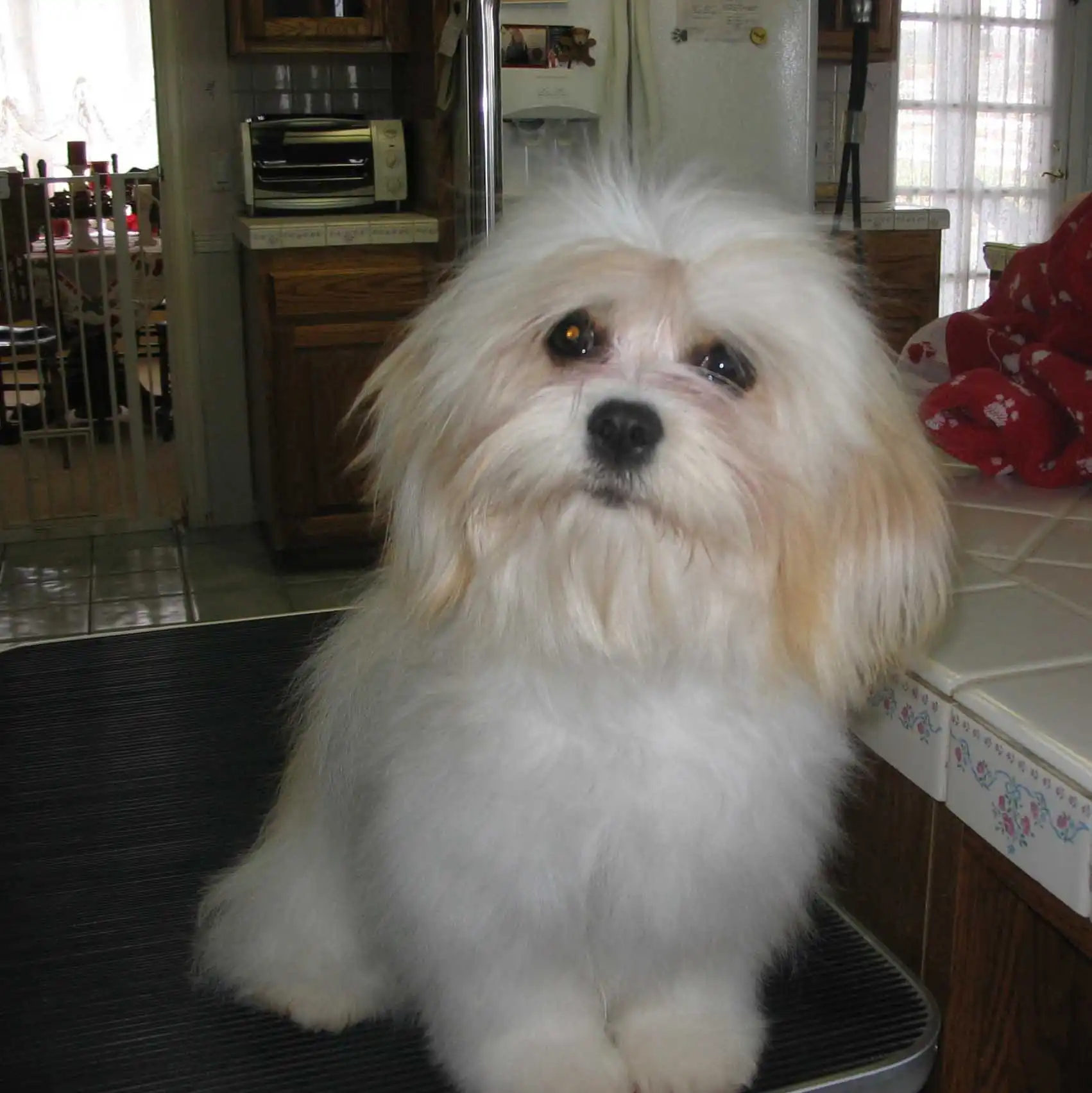
The Cavaton is a charming blend of the Cavalier King Charles Spaniel and the Coton De Tulear, creating a small but loving companion. These dogs are known for their affectionate disposition and thrive on human companionship, always eager to please their owners. However, they can be quite sensitive, so gentle handling is essential. With their high energy levels, daily walks are crucial—not only to help them burn off energy but also to facilitate important social interactions with other dogs and people. Generally sociable and keen to learn, Cavaton dogs particularly enjoy playing with children. If you have a fenced yard, your Cavaton will delight in the opportunity to play outside with you, likely leaving you more tired from the fun than they are. While they love being close to their family, it’s important to teach them good manners and establish yourself as the leader during training sessions.
Breed Origin
The distinctive charm and appearance of the Cavaton arise from its delightful parent breeds: the Cavalier King Charles Spaniel and the Coton de Tulear. Originating from Madagascar, the Coton de Tulear is related to both the Bichon Frise and the Maltese. While the precise timeline of their arrival on the island remains uncertain, it is believed that these small, white dogs have been present for several centuries. They were often seen accompanying women on long sea journeys and were even employed as rat catchers on ships. Some Coton de Tulears found their way into the homes of Madagascar's elite and royal families, while others roamed freely in the streets. In the 1970s, a French traveler brought several of these dogs back to France, which played a crucial role in establishing them as a recognized breed. Around the same time, they also made their debut in North America. Today, the Coton is cherished in its native land, and its loving disposition has garnered admirers across the globe. It is acknowledged by the American Kennel Club's Foundation Stock Service. The Cavalier King Charles Spaniel traces its lineage back to the King Charles Spaniel, which was crossbred with the Pug in the late 1600s. This combination produced a smaller dog characterized by an upturned face, flatter nose, and prominent eyes, which became the breed's hallmark. In the 1920s, an American named Rosewell Eldridge aimed to recreate the look of the spaniels featured in Van Dyck’s portraits of King Charles II, which did not exhibit Pug traits. He offered a prize at the Crufts Dog Show in London for anyone who could present a King Charles dog with a longer nose. Although Miss M. Walker claimed the prize, Eldridge had passed away before he could award it. Nonetheless, his vision was embraced by other American breeders, leading to the creation of the Cavalier King Charles Spaniel as we know it today. With roots in royal heritage and the influence of American breeders, the Cavalier is a true descendant of noble Spaniels. By the 1940s, they were officially recognized as a separate breed, adopting the "Cavalier" prefix to distinguish them from their ancestors. With such a captivating and rich history, the Cavaton truly embodies the special qualities that make it the beloved dog it is today.
Breed Appearance
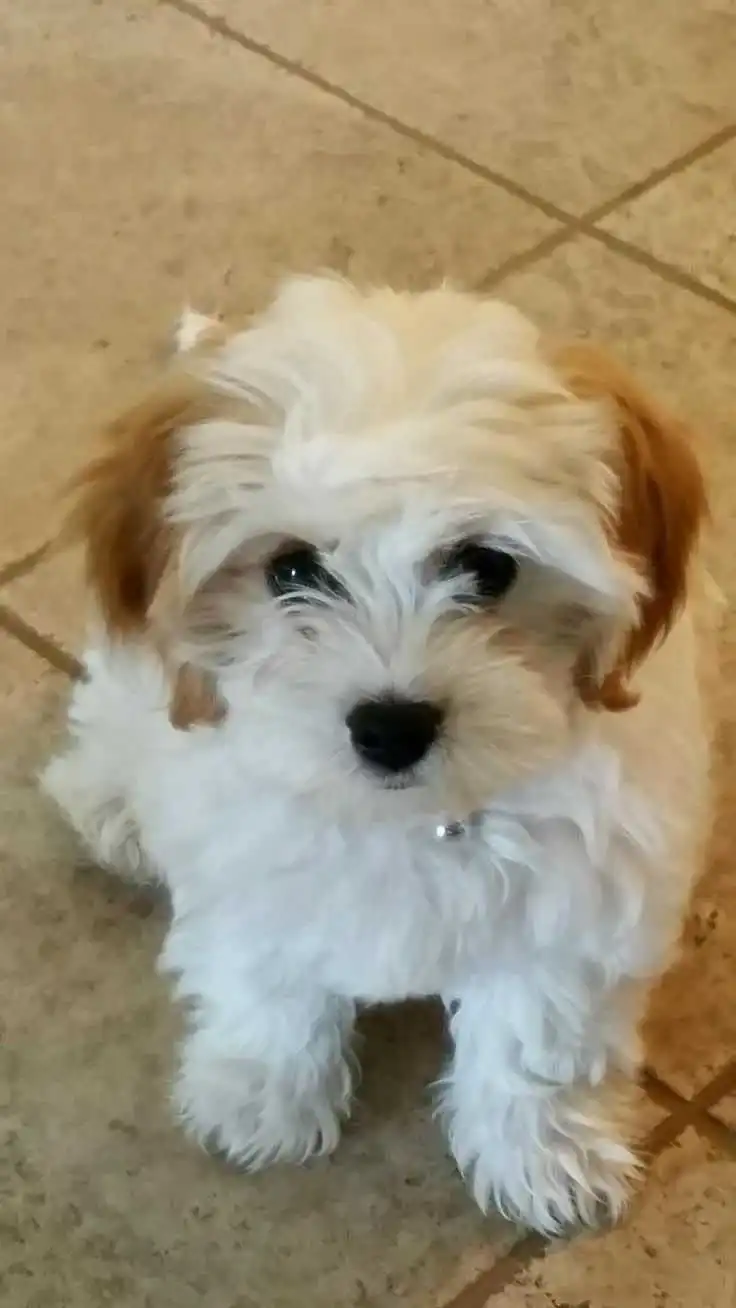
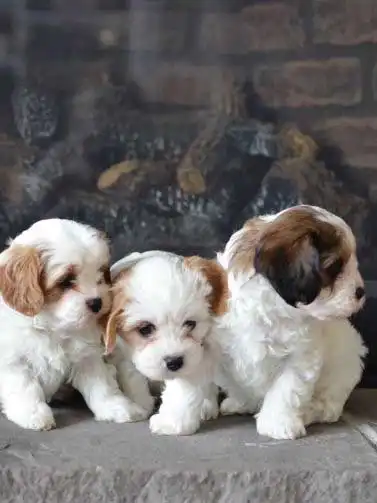
The Cavaton dog is truly charming, boasting an endearing face, large, expressive eyes, and a petite, button-like nose. While their fluffy coat can sometimes hide their body shape, they are generally well-proportioned, featuring short legs and rounded, plush paws. Their head is round and topped with long, feathered ears. Long eyebrows often enhance their facial features, and they have a medium-length muzzle that usually presents a level bite, though it can occasionally be slightly undershot. Their tail is typically short and may be either feathered or docked. The coat plays a significant role in their allure, giving them a look akin to a cuddly toy rather than a conventional dog. Coupled with their vibrant personality and loving disposition, the Cavaton effortlessly fits into family life.
Care Routine
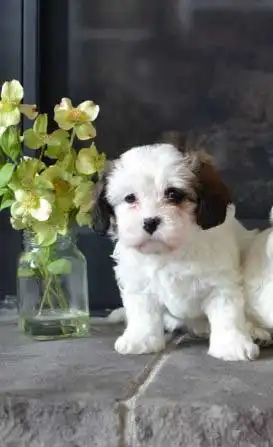
Cavatons do require some dedication when it comes to maintaining their coats, but the effort pays off significantly. Their fur is generally soft, curly, and dense, similar to that of a Coton. However, some may inherit the Cavalier's longer, silkier coat. Regardless of the fur type, consistent brushing is crucial to avoid matting and to minimize the need for baths. When it’s time for a wash, choose a shampoo specifically formulated for dogs, as human products can be too harsh for their sensitive skin. After bathing, ensure your dog is thoroughly dried and check their ears for any signs of infection, as those long, floppy ears are prone to issues. Additionally, keeping up with dental care and regularly trimming nails are vital components of grooming. Starting these grooming practices while your Cavaton is still a puppy will help them become accustomed to the routine, making future vet visits and handling much smoother as they grow.
Behavior & Temperament
The Cavaton is a delightfully cheerful little dog that loves being in the company of people. They flourish in a family environment and will happily follow you from room to room. Although these small dogs are smart and trainable, their propensity to get easily distracted can present some challenges. Their desire to please may sometimes cause them to forget commands as their focus shifts quickly. Instead of becoming frustrated, it’s more effective to be patient and adopt a gradual training approach, concentrating on one command each day to prevent overwhelming your furry companion. Once the Cavaton becomes familiar with the training routine, they will grasp your expectations more swiftly. Remember to provide plenty of praise, gentle affection, and the occasional small treat to encourage their progress. Cavatons have a special fondness for children and love interacting with them, making them wonderful companions for both singles and seniors. Their playful behavior can bring joy to anyone’s day. With their adorable looks, gentle nature, and captivating large brown eyes, they easily endear themselves to both people and other pets. Their compact size makes them ideal for apartment living, and they typically do not bark excessively. Regular walks or sufficient playtime are crucial for them to burn off energy, but their playful spirit often allows them to fulfill most of their activity needs simply by playing around the house.


Play & Exercise
The Cavaton is a lively little dog full of enthusiasm, often seen zipping around the house and following you from room to room. They have a strong love for playtime and will happily engage in games as long as you can keep pace with them. A walk is a wonderful adventure for a Cavaton, offering chances to meet and charm both people and other dogs, who they expect to adore them in return. This unique breed is incredibly adaptable, doing well in both small homes and apartments. Although they can adjust to different climates, they primarily thrive indoors and do not do well in kennels. Their main goal is to be your loyal companion, and they will go to great lengths to achieve that.
Things to Know
Cups Per Day
1.0 Cups
Daily Activity
150 Minutes
Average Lifespan
12 Years
Origin
Unknown
Type
Crossbreeds
Size
Small
Origin Country
United States
Brush Frequency
Daily
Coat Texture
Curly
Register
Your kids have been begging for a pet forever, and you've recently decided that it's time for your family to get a new addition -- a dog! While everyone is excited for the new arrival, you're wondering if you need to have a dog license. How much does it cost? Is it required? Where do you get one?
Member Clubs

PETINNATE
Other
Height & Weight
Weight
11 lbs (5 kg)Male: 11 lbs (5 kg) , Female: 11 lbs (5 kg)
Height
11 inches (28 sm)Male: 12 inches (30 sm) , Female: 11 inches (28 sm)
Eye Colors
Brown
Nose Colors
Black
Coat Colors
White
Brown
Black