Cavestie
Cava Westie
The Cavestie dog is a charming blend of the Cavalier King Charles Spaniel and the West Highland White Terrier. Renowned for their loving and friendly disposition, these dogs are both clever and sociable. They engage beautifully with individuals of all ages, from young children to seniors, and they also get along well with other pets, including cats. Cavesties seem to carry an inherent belief that everyone loves them. With their calm and patient nature, Cavesties generally do not display destructive behaviors. However, they might bark for attention if they feel ignored, so it’s essential to address this behavior before it becomes a routine. These dogs relish playtime and are enthusiastic participants, but they also value their moments of cuddling. Eager to learn and bright, Cavesties can master tricks, although training may require some patience and the use of treats or praise as incentives, as they can be easily sidetracked. In summary, they are gentle and playful companions, brimming with affection and loyalty, and they will alert you to the presence of strangers with a few barks.
Breed Origin
Investigating the roots of contemporary hybrid dog breeds can often be a complex endeavor, especially when it comes to the Cavestie. A fruitful approach is to delve into the histories of the parent breeds. Take the West Highland White Terrier, for example; this breed was originally developed to control populations of various pests, including rats, foxes, badgers, and otters. Its lineage can be traced back to Poltalloch, Scotland, where it was first known as the Poltalloch Terrier. It later took on the name Roseneath Terrier, named after the estate of the Duke of Argyll. The breed began to take shape in the mid-19th century when a Scottish Cairn Terrier breeder noticed white puppies among his litters. These puppies were selectively bred, resulting in what we now know as the West Highland White Terrier, essentially a white version of the Cairn. This breed made its American debut in 1906 and received official recognition from the American Kennel Club in 1908, with its name officially changed to West Highland White Terrier in 1909. Shifting focus to the Cavalier King Charles Spaniel, this breed has historically been a favorite among royalty, particularly King Charles II. The Cavalier is a descendant of the King Charles Spaniel, which features a flatter nose and prominent eyes due to its historical crossbreeding with the Pug in the late 17th century. In the 1920s, an American named Roswell Eldridge aimed to revive the original Spaniel depicted in the renowned Van Dyck paintings of King Charles II with his dogs. Eldridge actively sought long-muzzled King Charles Spaniels and even offered a cash prize at the Crufts Dog Show in London for anyone who could present one. A woman named Miss Mostyn Walker claimed the prize, but sadly, Eldridge had passed away just a month earlier. Nonetheless, other breeders embraced his vision, leading to the creation of the Cavalier King Charles Spaniel we recognize today, which emerged in the late 1920s as the rightful successor to the royal Spaniels of King Charles II. By the 1940s, these dogs were officially acknowledged as a separate breed, adopting the prefix "Cavalier" to distinguish them from the King Charles Spaniel. With such a rich and varied heritage, it’s no wonder that the Cavestie exudes a regal presence and an air of importance.
Breed Appearance
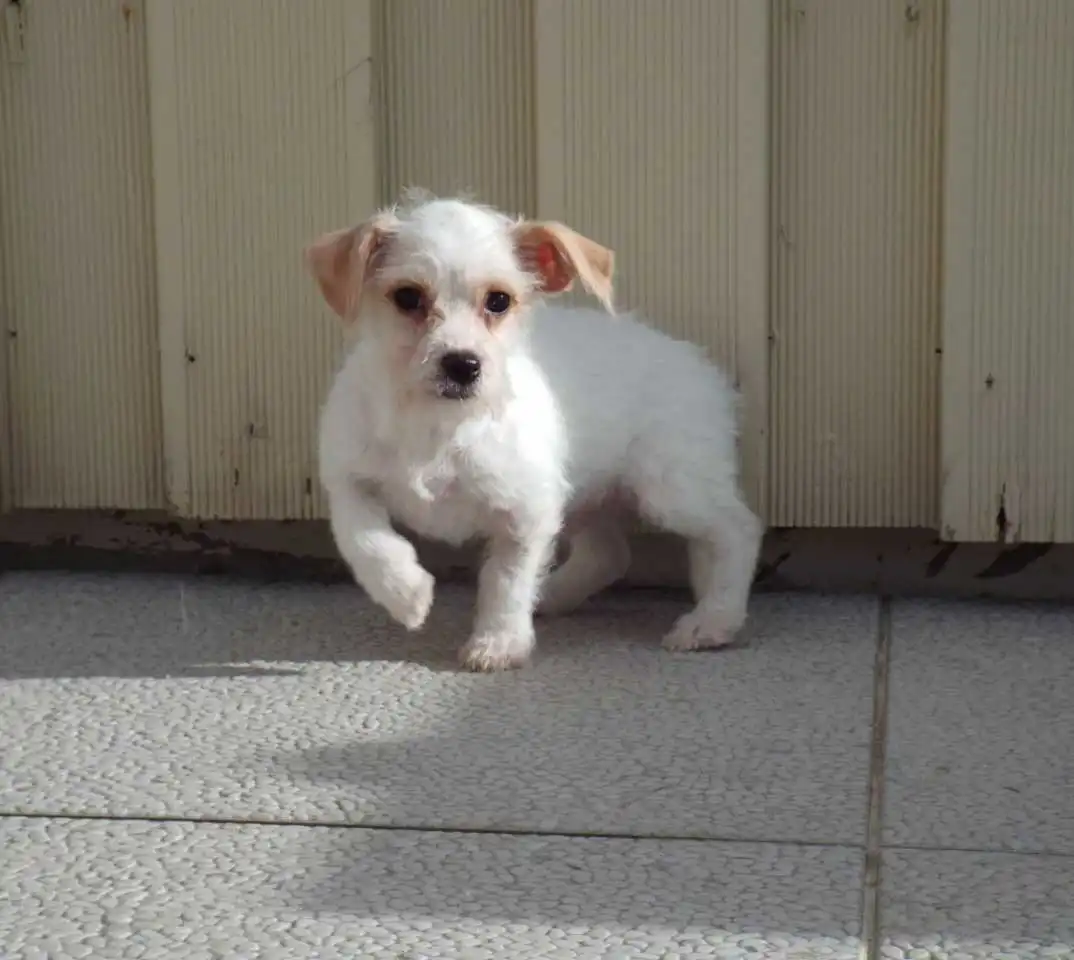
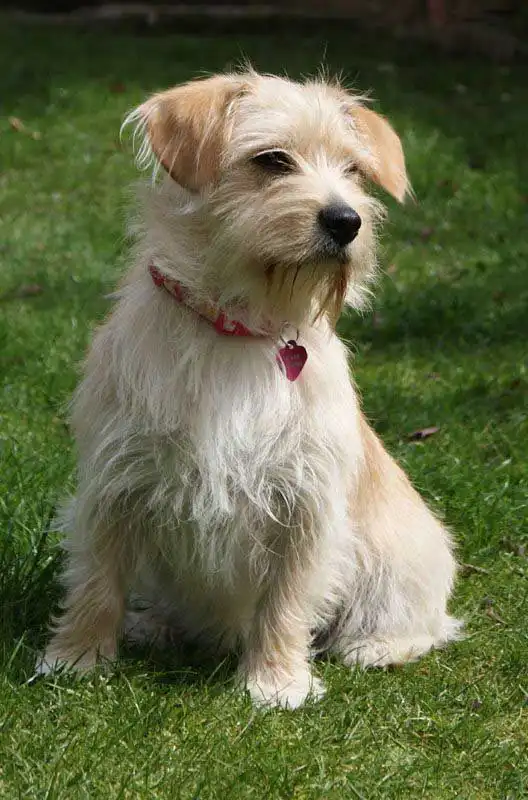
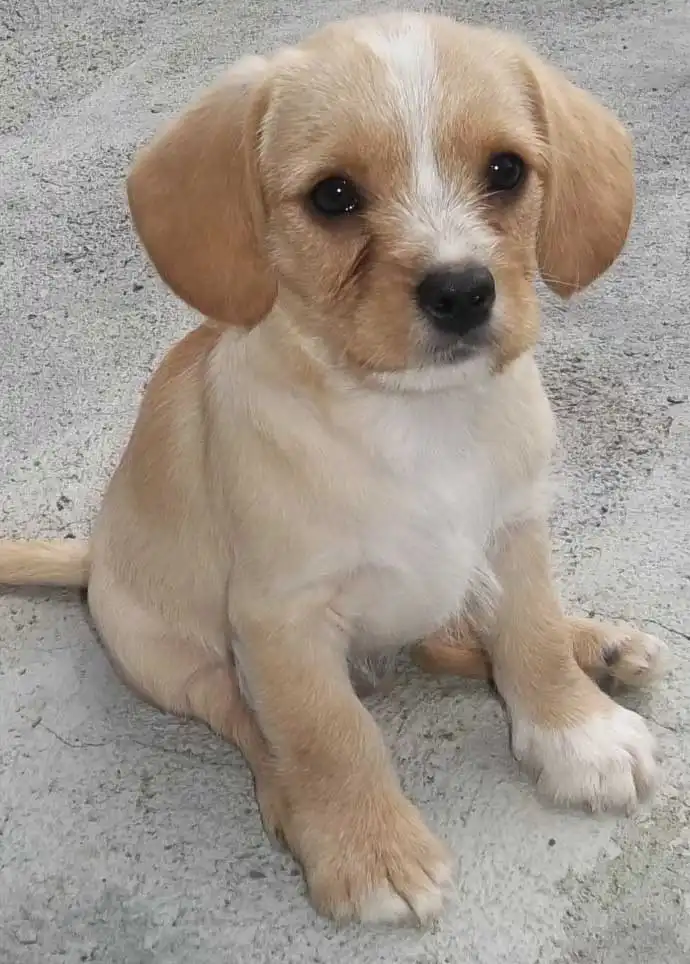
The Cavestie is a sturdy and compact breed, distinguished by a head that is proportionate to its body. Its head has a softly rounded shape, featuring a short, blunt muzzle that tapers slightly and includes a moderate stop. The nose is black with wide nostrils. This breed is particularly noted for its expressive, large, round eyes, which are framed by shaggy eyebrows reminiscent of those found on Westies. The teeth meet in a scissor bite. While the legs are short, they possess considerable strength, and the tail is relatively long and often appears fluffy. The coat can be either straight or slightly wavy, typically having a silky texture. Coat colors are influenced by Cavalier genetics, resulting in a range that includes black and white, various shades of brown, and pure white, with or without color patches.

Care Routine
The Cavestie’s coat characteristics are inherited from its parent breeds, resulting in variations depending on which genes are more prominent. Generally, the coat is quite thick, requiring consistent grooming with a stiff bristle brush. If your dog has a lot of white fur, you may need to bathe them more often to keep it looking bright. Always choose a mild dog shampoo to avoid skin allergies. For Cavesties with longer hair or feathering, it’s crucial to brush these areas thoroughly to prevent tangles. A dry shampoo can also provide a quick refresh for your dog. Regularly clean the insides of their ears, which typically only need a gentle wipe with a damp cloth. Monitor their eyes for any signs of infection or irritation, and ensure good dental hygiene by brushing their teeth regularly. Starting these grooming habits while your dog is still a puppy will help them associate grooming with quality time together. Don’t forget to trim their nails as needed.
Behavior & Temperament
The Cavestie is a remarkably sociable and intelligent breed that thrives on interaction with both humans and other dogs, eagerly engaging in play for long stretches—provided you can keep pace with their energy. Their desire to please makes them quick learners, often picking up new tricks in just a few days. While they have a lively spirit at home, they also enjoy snuggling up next to you, soaking up any affection you provide. Loyalty and devotion are fundamental aspects of their character. Cavesties make fantastic companions, displaying no destructive behaviors, which makes them ideal for apartment living. However, they do tend to be vocal and may bark for attention if they feel ignored. Early training can help curb this tendency, teaching them that a bark or two is enough. They are particularly fond of interacting with children, though it's important to supervise playtime with very young kids, as their small size can make them susceptible to roughhousing. With their endearing eyes and loving nature, these resilient little dogs truly shine as delightful family pets and lifelong friends.

Play & Exercise
The Cavestie is a lively little dog that primarily meets its exercise needs through playful interactions with family members or other pets. Nonetheless, daily walks are crucial not only for their physical fitness but also for socializing with people and fellow dogs. They eagerly look forward to outings, often racing to the door at the first hint of walk time! While having a yard isn't mandatory for a Cavestie, consistent walks and playtime are vital to make up for any lack of outdoor space. If you do have a yard, ensure it is securely fenced to keep your Cavestie safe from potential dangers or theft, as their adorable nature is likely to draw attention. These dogs adapt well to both urban and rural environments. During hot weather, be aware that your Cavestie might become lethargic, so it's essential to provide a cool, shaded spot in your home for them to escape the heat during the summer months.
Things to Know
Cups Per Day
1.0 Cups
Daily Activity
90 Minutes
Average Lifespan
13 Years
Origin
Unknown
Type
Crossbreeds
Size
Small
Origin Country
Unknown
Brush Frequency
Weekly
Coat Texture
Straight
Register
Your kids have been begging for a pet forever, and you've recently decided that it's time for your family to get a new addition -- a dog! While everyone is excited for the new arrival, you're wondering if you need to have a dog license. How much does it cost? Is it required? Where do you get one?
Member Clubs

PETINNATE
Other
Height & Weight
Weight
15 lbs (7 kg)Male: 17 lbs (8 kg) , Female: 14 lbs (6 kg)
Height
11 inches (28 sm)Male: 11 inches (28 sm) , Female: 10 inches (25 sm)
Eye Colors
Brown

Nose Colors
Black
Coat Colors
Black

Brown

White

Brindle

Cream