Chimo
Eskimo Chi
The Chimo is an enchanting hybrid that merges the Chihuahua with the American Eskimo. Its size can vary depending on the size of the American Eskimo parent, but generally, this breed falls into the toy or small dog category. It is known for its long, fluffy coat and a cheerful, loving personality. Although information on the Chimo, also referred to as the Eskimo Chi, is somewhat scarce, both of its parent breeds have rich and fascinating histories. Those considering bringing a Chimo into their home should take the time to learn about the characteristics and health issues linked to the parent breeds, as this knowledge can provide valuable insights into the potential temperament and health concerns of their new companion.

Breed Origin
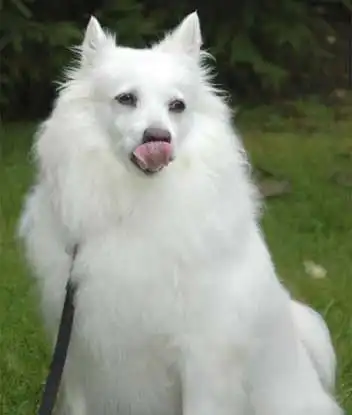
The Chimo is a modern hybrid breed that merges characteristics of the Standard American Eskimo and the Chihuahua, resulting in a dog that is sturdier than a Chihuahua but smaller than a Standard American Eskimo. This hybrid has gained official recognition from various organizations, such as the American Canine Hybrid Club, the Designer Dogs Kennel Club, the Dog Registry of America, and the International Designer Canine Registry. While there is limited information available about the Chimo itself, the histories of its parent breeds are quite rich. The Chihuahua, which hails from the New World, is thought to have crossed the Bering Strait over 30,000 years ago, eventually making its way to Mesoamerica and present-day Mexico. For many years, the Aztec and Toltec civilizations employed Chihuahuas for pest control, and the breed was reintroduced to North America in the 1800s. Long-haired Chihuahuas may have emerged from crossbreeding with Silky Terriers, sharing some traits with Terriers but displaying a notably more vocal temperament. Conversely, the American Eskimo, despite its name, is neither American nor Eskimo; it is believed to have originated from the Northern Spitz family in Germany, where it was known as the German Spitz before making its way to the United States in the 20th century. Initially bred as a watchdog for farmers, the German Spitz was appreciated not for aggression but for its alertness to potential threats. The American Eskimo, often referred to as the Eskie, retains this alertness and watchdog instinct but was specifically bred for entertainment. These dogs have charmed audiences in both America and Europe with their remarkable tricks, frequently performing in traveling circuses as tightrope walkers. In the aftermath of World War I and during World War II, rising anti-German sentiment prompted a rebranding of the German Spitz, which affectionately became known as the American Eskimo. This name change is thought to have originated from the kennel that played a pivotal role in the breed's development, known as the American Eskimo Kennel.
Breed Appearance
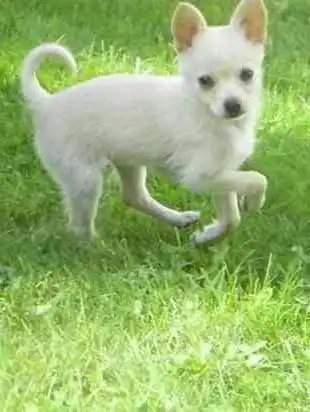
The Chimo, an endearing designer breed, can take on the appearance of either of its parent breeds, yet it generally remains small, often classified as toy-sized, with a height not exceeding 10 inches and a weight around 10 pounds. However, if one parent is a Standard American Eskimo, the Chimo may be larger and heavier. It has a round head with a long, slender muzzle that is well-balanced. The eyes are bright and expressive, varying in shades from light to dark brown, and are typically round or slightly oval. The Chimo's coat can come in a variety of colors, often featuring light hues like white or cream, and usually appears in two or three color combinations. The fur is consistently soft and fluffy, although it may lie closer to the body compared to that of the American Eskimo parent.

Care Routine
The Chimo, a breed developed from two non-hypoallergenic ancestry lines, is not hypoallergenic and tends to shed a moderate to significant amount. To keep its long, soft coat healthy and looking its best, daily brushing is necessary to prevent mats and tangles. This grooming routine not only improves the coat's appearance but also helps distribute natural oils evenly, which is beneficial for both skin and coat health. Although Chimos generally do not have a typical "doggy" smell, consistent grooming is important for maintaining a clean and odor-free coat. While brushing your Chimo, it’s also an ideal time to check the ears and gently clean away any wax, dirt, or debris using a veterinarian-recommended cleaning solution.
Behavior & Temperament
The Chimo is a friendly and intelligent hybrid, heavily shaped by its American Eskimo heritage, which enhances its desire to please. Any stubborn tendencies often stem from its Chihuahua background. This breed is generally recognized for its affectionate nature, sociable personality, and relative ease of training. While the Chimo makes a wonderful, patient companion for children, it may not be the ideal choice for very young ones. Its American Eskimo lineage gives it a sturdy build, making it crucial to teach children how to interact appropriately with dogs for effective socialization. When properly socialized, the Chimo typically gets along well with other dogs and cats; however, its Chihuahua traits can sometimes create challenges in relationships if socialization is lacking. Although the Chimo may be a bit wary of strangers, early exposure can help it develop a friendly attitude towards unfamiliar, non-threatening people. This hybrid possesses a high energy level with moderate intensity, and its small size allows for adequate indoor exercise, which is essential for maintaining both its mental and physical well-being.


Play & Exercise
The Chimo is an energetic hybrid that emerges from the blend of two unique breeds. The Chihuahua, known for its lower activity needs, contrasts with the American Eskimo, which is characterized by its higher energy and greater exercise requirements. A Chimo enjoys engaging in activities such as running and jumping, necessitating about one to two hours of physical activity each day. Thankfully, its compact size allows it to meet some of its exercise needs indoors. This breed adapts remarkably well to apartment living and urban settings, benefiting from the climate resilience inherited from both parent breeds. It can thrive in both hot and cold environments, although it particularly enjoys temperate climates. During warmer months, it’s crucial to keep an eye out for signs of overheating, as the Chimo has a coat inherited from its American Eskimo lineage.
Things to Know
Cups Per Day
1.0 Cups
Daily Activity
120 Minutes
Average Lifespan
14 Years
Origin
Unknown
Type
Crossbreeds
Size
Small
Origin Country
United States
Brush Frequency
Daily
Coat Texture
Straight
Register
Your kids have been begging for a pet forever, and you've recently decided that it's time for your family to get a new addition -- a dog! While everyone is excited for the new arrival, you're wondering if you need to have a dog license. How much does it cost? Is it required? Where do you get one?
Member Clubs

PETINNATE
Other
Height & Weight
Weight
15 lbs (7 kg)Male: 15 lbs (7 kg) , Female: 15 lbs (7 kg)
Height
12 inches (30 sm)Male: 12 inches (30 sm) , Female: 12 inches (30 sm)
Eye Colors
Brown

Nose Colors
Black
Brown
Coat Colors
Brindle
Silver

Sable
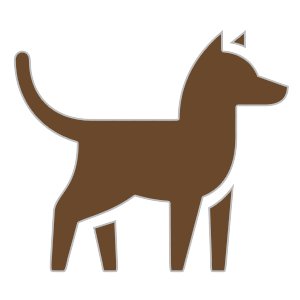
Red
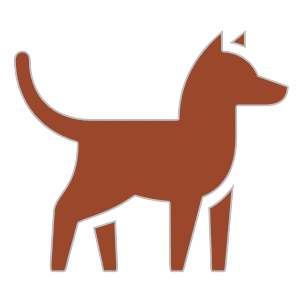
Fawn
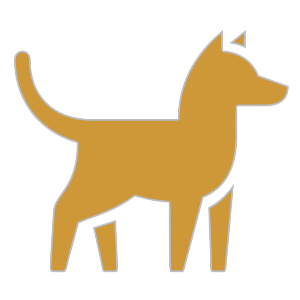
Cream
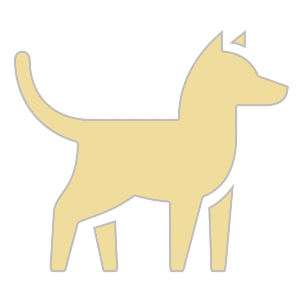
Blue
Black

White