Chin-Pin
Chi-a-pin
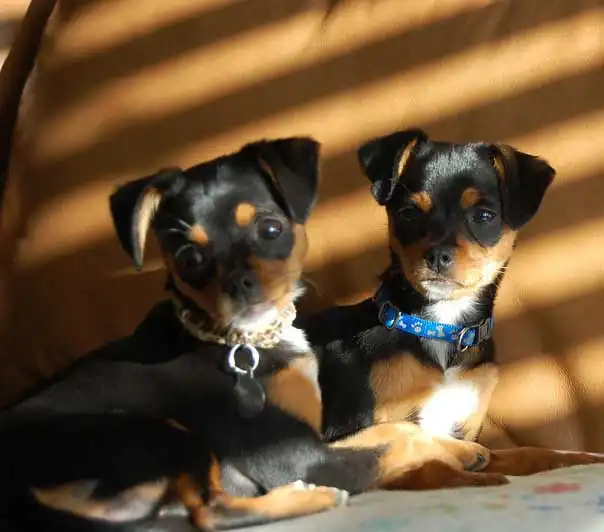
The Chin-Pin is a hybrid dog breed that emerges from the combination of a Japanese Chin and a Miniature Pinscher. This blend often results in a variety of inherited characteristics from both parent breeds, leading to a diverse palette of coat colors, including black, white, red, tan, rust, and chocolate. Their fur is usually short and fine, but it can also be silky if they take after the Japanese Chin. Grooming needs for the Chin-Pin are quite low, and they typically shed very little. These dogs are generally friendly with children and do not need a lot of exercise, making them ideal for living in apartments. However, due to the strong-willed tendencies of both parent breeds, training may require a bit of extra patience.
Breed Origin
The Chin-Pin is a hybrid breed created by crossing a Miniature Pinscher with a Japanese Chin. The Miniature Pinscher, which originated in Germany as a rat-catching dog, boasts a history of around 200 years. Although it resembles a smaller version of the Doberman, it is a unique breed in its own right. Initially called the Reh Pinscher, this name reflects its similarity to the small red roe deer found in local forests. The breed also has Scandinavian roots and continues to be popular in that region. It is widely accepted that the Miniature Pinscher primarily descends from the German Pinscher, with possible influences from terrier breeds such as the Dachshund and the Italian Greyhound. In 1895, German breeders formed the Pinscher Klub, which was later renamed the Pinscher Schnauzer Klub. The first Miniature Pinschers made their way to the United States around 1919, and the American Kennel Club granted official recognition to the breed in 1929. On the other hand, the Japanese Chin, despite its name, actually has its origins in China rather than Japan. It is believed to have emerged from the Chinese imperial court, where it was highly esteemed and often given as a gift. Some historians propose that the Pekingese, another breed with Chinese ancestry, may have been developed from the Japanese Chin, which is also known as the Japanese Spaniel. In Japan, these dogs were typically owned by the nobility. Notably, the first Japanese Chins were presented to American naval officer Commodore Matthew Perry by the Emperor of Japan in 1853 during his visit to Uraga Harbor, near modern-day Tokyo, marking Japan's entry into international trade. Perry received seven dogs, but only two survived the return journey to the United States. Among their distinguished owners were President Franklin Pierce, then-Secretary of War Jefferson Davis, and Perry's daughter, Caroline Perry Belmont. The breed was officially recognized by the American Kennel Club in 1888.
Breed Appearance
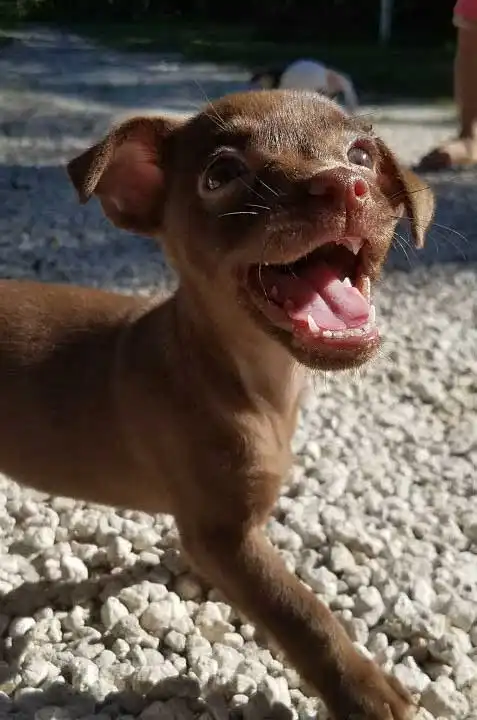
The Chin-Pin is a mixed breed that emerges from the combination of a Japanese Chin and a Miniature Pinscher. This hybrid often showcases a variety of characteristics inherited from its parent breeds, resulting in an array of colors including black, white, red, tan, rust, and chocolate. Typically, their coats are short and fine, though some may have a silky texture reminiscent of the Japanese Chin. Grooming for the Chin-Pin is quite straightforward, as they shed very little. If your Chin-Pin has facial features similar to the Japanese Chin, you can expect to see wide-set eyes; however, this hybrid usually exhibits the head shape and overall look of the Miniature Pinscher, often featuring a distinctive tan and black mask.


Care Routine
Neither of the parent breeds is classified as hypoallergenic; however, your pet will need minimal grooming to maintain a neat appearance and generally sheds very little. Like its parent breeds, your pet usually requires brushing just once a week. A quick session with a slicker brush will help keep the coat smooth and shiny. The Miniature Pinscher seldom needs a bath; often, a simple wipe with a damp cloth will suffice after outdoor activities, particularly if they’ve gotten muddy. It’s recommended to brush your dog’s teeth daily to prevent dental issues, as small breeds are particularly susceptible to such problems. Additionally, be sure to check their ears for dirt. Depending on whether your hybrid has upright or floppy ears, be cautious of potential moisture accumulation.
Behavior & Temperament
The Chin-Pin, a delightful mix of its parent breeds, makes for a wonderful family pet, especially with older children. This breed is known for its affectionate and energetic nature, drawing parallels to the Miniature Pinscher—often affectionately called a Min Pin—famous for its bold personality and nicknamed the “King of Toys.” Chin-Pins are naturally curious, always on the lookout for new adventures, and are skilled at taking advantage of open doors to explore their surroundings. Their fearless disposition allows them to serve as effective watchdogs, although they may be cautious around unfamiliar faces. Given their small stature, they are best suited for homes with older kids, as younger children might unintentionally injure them. Training can present some challenges, and they often have a tendency to chase after other dogs. This hybrid thrives on human interaction and is celebrated for its playful and joyful spirit. Interestingly, they display behaviors similar to cats, such as climbing and grooming themselves. While Chin-Pins respond well to positive reinforcement during training, it’s wise to keep them on a leash outdoors to avoid them chasing after other animals. They don’t need a lot of exercise but do not enjoy being left alone for long stretches.


Play & Exercise
Your Chin-Pin doesn't need a lot of exercise to remain happy and healthy, but the required amount can differ based on whether it takes after the Miniature Pinscher or the Japanese Chin. This mixed breed may develop destructive habits if not adequately stimulated, so it's essential to incorporate regular walks and playtime into their routine to help them stay calm. Both parent breeds are well-suited for apartment living, but they still require frequent outdoor time. Moreover, neither breed likes to be left alone for extended periods, making your Chin-Pin a devoted companion that prefers your company. When outside, it's wise to keep your pet on a leash, as they might have a tendency to chase after other animals and may not come back when called. Also, be cautious of their sensitivity to extreme temperatures; it's best to avoid leaving them outside in severe weather.
Things to Know
Cups Per Day
1.0 Cups
Daily Activity
30 Minutes
Average Lifespan
13 Years
Origin
Unknown
Type
Crossbreeds
Size
Small
Origin Country
United States
Brush Frequency
Weekly
Coat Texture
Straight
Register
Your kids have been begging for a pet forever, and you've recently decided that it's time for your family to get a new addition -- a dog! While everyone is excited for the new arrival, you're wondering if you need to have a dog license. How much does it cost? Is it required? Where do you get one?
Member Clubs

PETINNATE
Other
Height & Weight
Weight
13 lbs (6 kg)Male: 14 lbs (6 kg) , Female: 13 lbs (6 kg)
Height
11 inches (28 sm)Male: 11 inches (28 sm) , Female: 10 inches (25 sm)
Eye Colors
Brown

Nose Colors
Black
Coat Colors
Black
White
Red
Brown