Chion
Pap-Chi, Chi-A-Pap, and Papihuahua, Pap-Wa, Chi-Pap
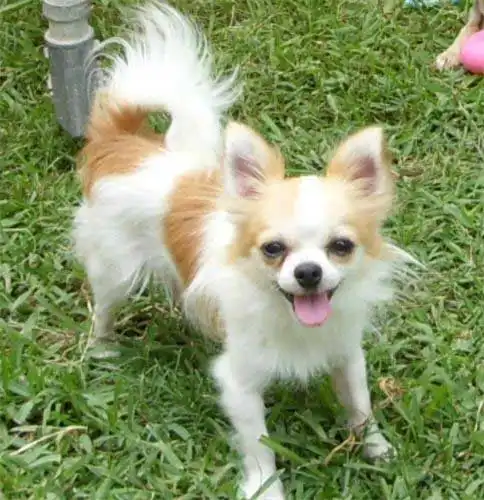
The Chion is a charming mix of two small, intelligent breeds: the Chihuahua and the Papillon. These dogs typically reach a height of about 8 inches and weigh around 7 pounds. Their fur can vary from medium to long, depending on the coat characteristics inherited from the Chihuahua parent, and it may be straight, wavy, or wiry. They come in a variety of colors, including white, gold, brown, tan, cream, black, and various combinations. While Chions usually get along well with older children, they may not be the best choice for families with very young kids. They generally enjoy the company of other animals, but it’s crucial to socialize them early. Although they are smart, their stubbornness can make training a bit of a challenge.

Breed Origin
The history of the Chihuahua is filled with fascinating theories. One notable hypothesis posits that Spanish traders brought these small dogs to Mexico from China, where they were later interbred with local indigenous breeds, leading to the Chihuahua we know today. Another perspective connects them to the Techichi, a dog that existed as far back as the 9th century. These Techichi dogs were thought to act as spiritual companions, often being sacrificed and buried alongside their owners. Some stories even suggest that Chihuahuas were consumed as a food source. Nevertheless, it is widely recognized that Chihuahuas were first documented in the late 1800s in the Mexican town of Chihuahua. Shortly after, they crossed into the United States, where they gained official recognition from the American Kennel Club in 1904, and today, they are ranked as the 30th most popular breed. In contrast, the Papillon hails from France, with origins tracing back to the 1500s when it was referred to as the Dwarf Spaniel, believed to be a descendant of European Toy Spaniels. This breed became a favorite among Louis XIV and other wealthy Europeans. Initially characterized by drooping ears, the Papillon underwent a transformation over the years, developing erect ears, a change that is evident in Renaissance artwork from the 13th to the 15th centuries. Today, there are two distinct variations of the breed, with the erect-eared Papillon being the more popular choice. The version with droopy ears is known as the phalene, which means "moth" in French. The Papillon made its American debut in the 20th century, quickly rising in popularity at dog shows. The AKC officially recognized the breed in 1915, and it currently ranks as the 53rd most popular dog breed in the United States.
Breed Appearance
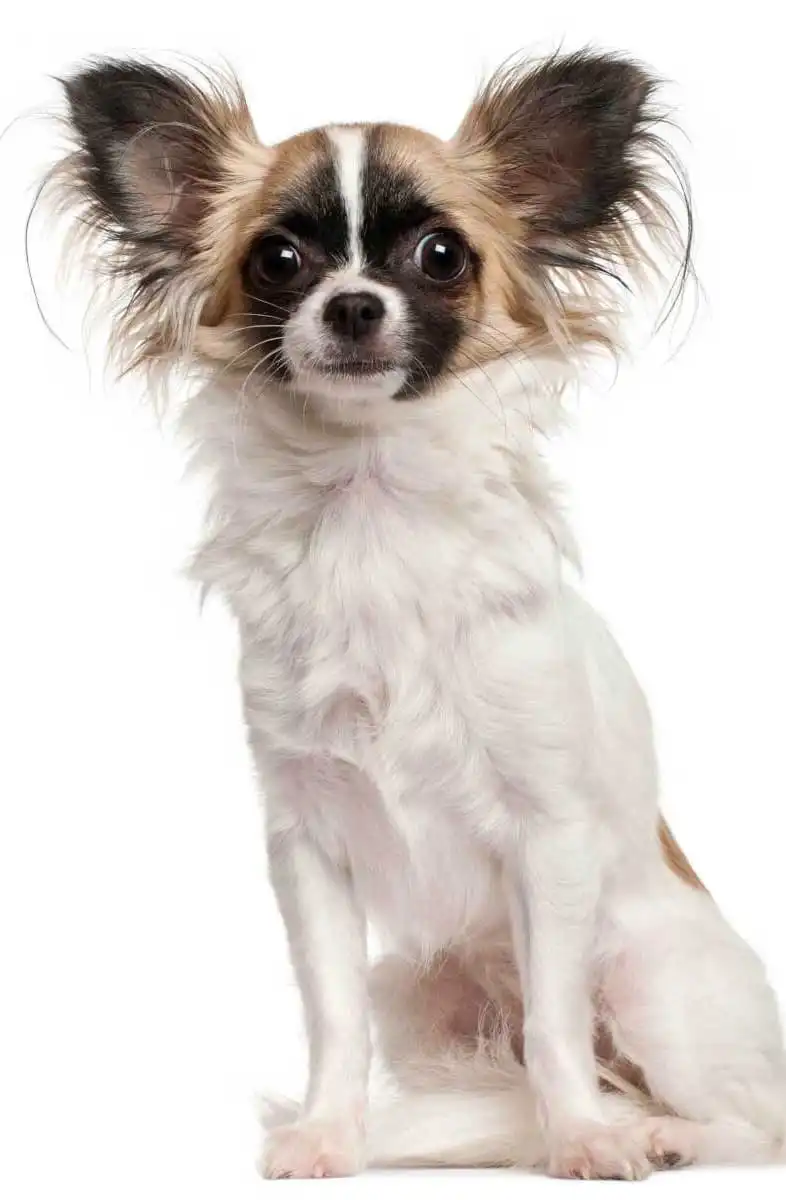
A Chion is a small dog, generally measuring between 6 and 11 inches in height and weighing approximately 4 to 10 pounds, with size largely determined by its parentage. The length of its coat can range from medium to long, influenced by whether the Chihuahua parent had short or long fur. If the Chihuahua had a short coat, the Chion may inherit a wiry texture that can be straight or wavy. This breed comes in a diverse palette of colors, including white, gold, brown, tan, cream, black, and various combinations of these hues. You can expect your Chion to have a petite head, noticeable ears, a long tail, and short legs.

Care Routine
To ensure your Chion remains in top condition, consistent grooming is crucial—aim to brush her at least three to four times weekly. A stiff bristle brush paired with a metal comb works best, but remember to use your fingers to gently work out any tangles. Bathe her only when necessary, as frequent shampooing can lead to dry skin. It's also important to brush her teeth several times a week to help prevent periodontal disease. Additionally, make it a routine to check her ears weekly for any signs of earwax buildup, mites, or redness, since these dogs are prone to ear infections.
Behavior & Temperament
The Chion is affectionate towards children, but it may find it challenging to interact with very young kids, especially those under six. Generally, they coexist well with other pets, but early socialization is vital for nurturing positive relationships. This breed can be somewhat headstrong, making patience a crucial component of their training. Consistency and positive reinforcement are essential; it's best to avoid yelling or physical punishment. Chions are lively and have a unique ability to uplift spirits, no matter the circumstances. They thrive on companionship and do not enjoy being left alone, which can lead to excessive barking and potentially destructive behavior if they feel ignored. Therefore, be prepared to invest significant time in your furry companion.


Play & Exercise
It is vital to provide your Chion with daily exercise, ideally ranging from 60 to 90 minutes. This activity can be broken up into several shorter sessions throughout the day or done all at once. Regular physical activity is important for helping them expend excess energy; without it, they may become anxious or restless. A lack of exercise can cause some Chions to become sluggish, while others may grow bored and develop behavioral problems. Effective ways to keep your Chion active include walking, jogging, hiking, swimming, playing fetch, visiting dog parks, and participating in agility training. If you have a secure yard, letting them explore outside for a few hours each day is beneficial, but they still need your engagement and companionship.
Things to Know
Cups Per Day
0.0 Cups
Daily Activity
0 Minutes
Average Lifespan
13 Years
Origin
2001
Type
Crossbreeds
Size
Not Set
Origin Country
United States
Brush Frequency
Daily
Coat Texture
Straight
Register
Your kids have been begging for a pet forever, and you've recently decided that it's time for your family to get a new addition -- a dog! While everyone is excited for the new arrival, you're wondering if you need to have a dog license. How much does it cost? Is it required? Where do you get one?
Member Clubs

PETINNATE
Other
Height & Weight
Weight
8 lbs (4 kg)Male: 9 lbs (4 kg) , Female: 7 lbs (3 kg)
Height
9 inches (23 sm)Male: 9 inches (23 sm) , Female: 9 inches (23 sm)