Chorkie
Yorkiechi, Chiyorkie, Yorkie-chi, Yorkchi, York-chi, Chiorkie, York Chi
The Chorkie, an endearing mix of the Chihuahua and Yorkshire Terrier, can inherit various characteristics related to its looks, behavior, temperament, and health from one or both of its parent breeds. The Chihuahua, which originated in Mexico around the 9th century, is believed to have descended from a small companion dog from ancient times. On the other hand, the Yorkshire Terrier was bred in northern England primarily for hunting rats in mines and textile mills. Although there is no definitive agreement on the specific breeds that contributed to the Yorkie's ancestry, several are thought to have influenced its development, including the Waterside Terrier, Broken-Haired Scotch Terrier, Maltese Terrier, Skye Terrier, Dandie Dinmont Terrier, rough-coated Black-and-Tan English Terrier, Manchester Terrier, Paisley Terrier, and the now-extinct Leeds and Clydesdale Terriers. Known for its delightful personality, the Chorkie is cheerful, affectionate, energetic, loyal, protective, and sociable. Furthermore, this hybrid breed typically sheds very little, which simplifies grooming.
Breed Origin
The Chorkie, a cherished companion for many families, is a hybrid breed created by crossing a Chihuahua with a Yorkshire Terrier. This combination allows Chorkies to inherit characteristics from one or both of their parent breeds. The Chihuahua, with origins in Mexico, has a mysterious history that traces back to the 9th century. It is believed to have evolved from a small, mute dog known as the “Techichi,” which is depicted in ancient artwork resembling modern Chihuahuas. In the 12th century, the Aztecs invaded Mexico, bringing with them a small, hairless dog that was bred with the Techichi, ultimately leading to the Chihuahua we know today. These tiny dogs were thought to hold spiritual significance, often being buried alongside their owners to assist them in the afterlife. Conversely, the Yorkshire Terrier originates from northern England, where it was initially bred to hunt and eradicate rats and other vermin in mines and cotton mills. During the 19th century, amidst the industrial revolution, Scottish immigrants moved south to England to establish textile businesses, bringing along a nondescript terrier that they crossed with the local Waterside Terrier. The Yorkshire Terrier's ancestry may also include contributions from several other breeds, such as the Maltese Terrier, Dandie Dinmont Terrier, Skye Terrier, the old rough-coated Black-and-Tan English Terrier, Manchester Terrier, Paisley Terrier, the now-extinct long-haired Leeds Terrier, and Clydesdale Terriers. The Chorkie hybrid made its debut in the United States in the early 1990s and has since gained recognition from various organizations, including the American Canine Hybrid Club, Designer Breed Registry, Designer Dogs Kennel Club, Dog Registry of America Inc., and the International Designer Canine Registry.
Breed Appearance
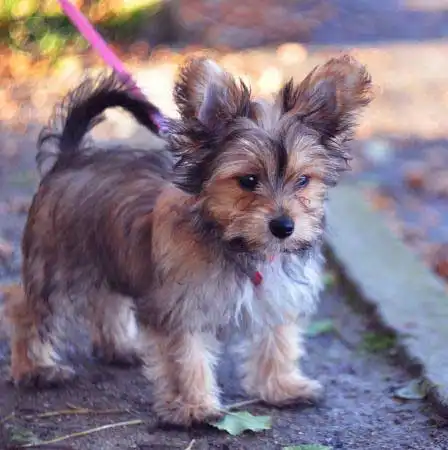
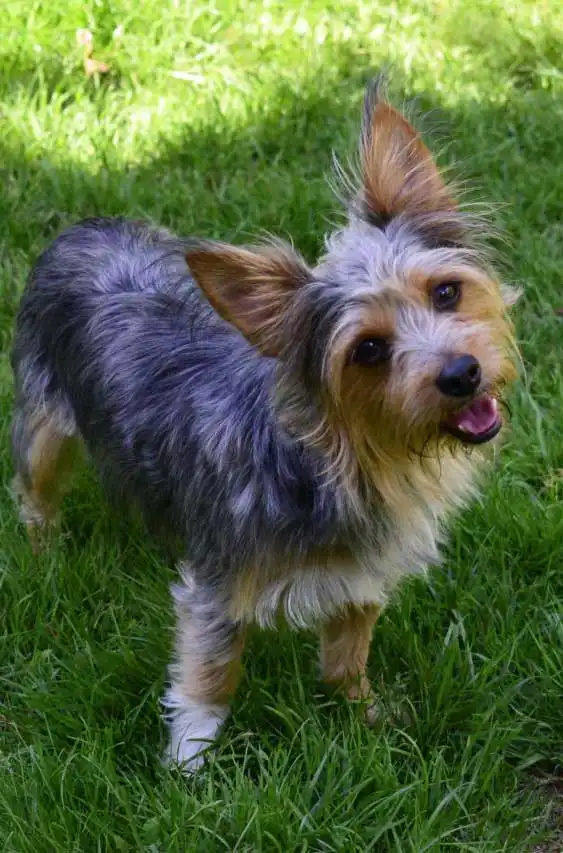
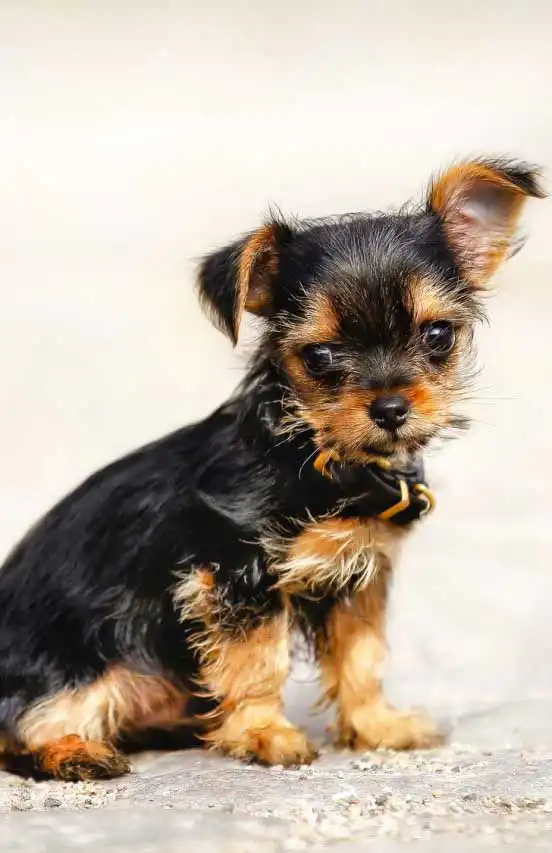
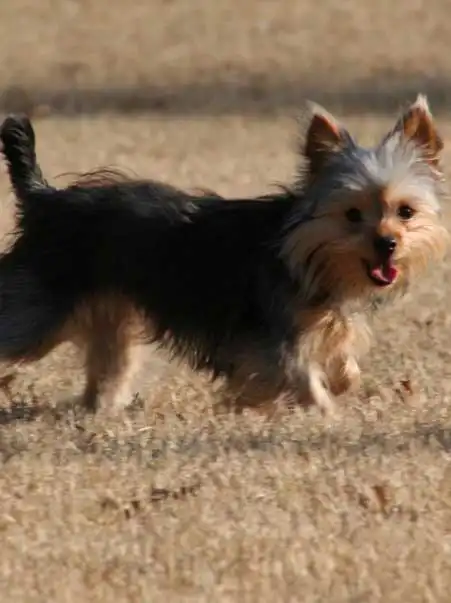
Your Chorkie, a delightful mix of Chihuahua and Yorkshire Terrier, may display physical characteristics from one or both of its parent breeds. Each puppy can vary in looks, but there are several common traits that often appear: these petite dogs typically weigh between 8 and 10 pounds and usually have a rectangular body shape, often featuring the longer tail inherited from the Chihuahua. The head shape is generally similar to that of a Yorkie, although some puppies may take on the distinctive apple-shaped head from their Chihuahua ancestry. Ears are usually upright, but some may droop slightly. The charming face of your Chorkie is accentuated by strong teeth that might create an underbite, a small black nose, and large, expressive eyes that can be either black or dark brown. In terms of coloration, your pup could exhibit a wide range of shades, especially if the Chihuahua genes are more pronounced, though you might observe a slightly grizzled look due to the Yorkie influence. It's important to note that Yorkshire Terriers often develop a gunmetal gray coat as they grow older. The coat length can vary, being medium, long, or a mix of both, depending on whether the Chihuahua parent had a long or short coat. Regardless, you can expect the texture to be soft or silky, although some may have a coarser feel. The feet are small yet sturdy, equipped with strong nails.
Care Routine
Your Chorkie is classified as a low-shedding breed, which translates to minimal grooming requirements. To maintain his appearance, it's advisable to brush him weekly and bathe him no more than twice a month. Checking and cleaning his ears every two weeks is crucial, as this helps eliminate any long hair that could lead to infections. It's also important to regularly wipe around his eyes to prevent the accumulation of debris, which can cause matting and possible infections. Furthermore, inspecting and cleaning his teeth at least once a month is essential for preventing periodontal disease and avoiding tooth loss.
Behavior & Temperament
The Chorkie typically inherits the personality characteristics of its parent breeds, resulting in a dog that is often lively, cheerful, intelligent, vocal, playful, affectionate, loyal, gentle, and energetic. Their strong devotion to their owners can sometimes manifest as aggression towards unfamiliar people, so it’s crucial to keep them on a leash during walks in public spaces. While they can be wonderful family companions, they might not be the best fit for homes with young children, as they can become irritable if handled too roughly. Chorkies usually get along well with other pets, although they may not always be aware of their own size when interacting with larger animals. They are intelligent and eager to please, which makes training relatively easy, though they can show a stubborn streak at times. Despite their high energy, their small stature means that their exercise needs can be easily accommodated in an apartment, condo, or family home.


Play & Exercise
To keep your Chorkie healthy and happy, it's crucial to provide regular exercise. Aim for 30 to 60 minutes of physical activity daily, which can include walks, playing fetch or frisbee, and working on obedience training. As a small breed, your Chorkie adapts well to apartment living, whether in a condo or a house, regardless of having a fenced yard. He can flourish in both city and countryside environments, though he might have difficulty in extremely cold conditions. When temperatures drop, your Chorkie may shiver from the cold, fear, or anxiety, so it's vital to ensure he has extra warmth and protection on chilly days.
Things to Know
Cups Per Day
1.0 Cups
Daily Activity
60 Minutes
Average Lifespan
13 Years
Origin
Early 1990’s
Type
Crossbreeds
Size
Small
Origin Country
United States
Brush Frequency
Weekly
Coat Texture
Straight
Register
Your kids have been begging for a pet forever, and you've recently decided that it's time for your family to get a new addition -- a dog! While everyone is excited for the new arrival, you're wondering if you need to have a dog license. How much does it cost? Is it required? Where do you get one?
Member Clubs

PETINNATE
Other
Height & Weight
Weight
12 lbs (5 kg)Male: 12 lbs (5 kg) , Female: 12 lbs (5 kg)
Height
8 inches (20 sm)Male: 8 inches (20 sm) , Female: 8 inches (20 sm)
Eye Colors
Brown

Nose Colors
Black
Coat Colors
Fawn
White
Silver

Brown
Black