Cimarron Uruguayo
Cimarrón Uruguayo, Cimarron, Cimarron Creole, Creole Dog, Uruguayan Molosser, Uruguayan Mastiff, Perro Uruguayo, Uruguayan Feral Dog, Uruguayan Dog, Perro Cimarron, Perro Creole, Perro Gaucho, Gaucho Dog, Uruguayan Perro Gaucho, Perro Criollo, Maroon Dog
The Uruguayan Cimarron is a unique working dog and the sole breed native to Uruguay. Although it may be called different names in various regions, the Uruguayan government officially designates it as the Uruguayan Cimarron. While this adaptable breed is mainly kept as a family companion today, it continues to fulfill roles in hunting, herding cattle, and driving livestock in certain locales. Renowned for its adventurous nature, the Cimarron needs a secure environment to prevent it from straying and getting into mischief. Furthermore, due to its strong instinct to chase, it is crucial to supervise this breed when it is around other pets in the household.
Breed Origin
The Uruguayan Cimarron has its roots in dogs that were imported from Europe, with its origins believed to date back centuries before any formal records were kept. These dogs were utilized for a variety of purposes, including herding cattle, hunting, and providing protection. However, as local conditions deteriorated, many Cimarrons were left behind and returned to a wild existence. As a result, much of the breed's history remains unclear, prompting researchers to put forth unverified hypotheses. Insights into Uruguayan history have helped scholars piece together the Cimarron's background. The first Europeans to settle in Uruguay were Spanish explorers and conquistadors, who employed dogs for various functions. Notably, Christopher Columbus is thought to have brought Mastiff-type dogs to the New World, using them in confrontations with Jamaican natives. The Spanish later relied on these formidable dogs to dominate indigenous groups, who were accustomed only to smaller breeds. It is generally accepted that the Uruguayan Cimarron descended from the dogs introduced by Columbus, living in the wild for several centuries, especially in the Cerro Largo region of Uruguay. This breed is believed to have significantly contributed to the decline of large feline species, such as cougars and jaguars, establishing itself as one of the main predators in Uruguay. The path to domestication has been long and well-documented. The Uruguayan Cimarron is increasingly recognized in Argentina and Brazil, where breed clubs and breeders are importing dogs from Uruguay to create foundational stock. Furthermore, a handful of breeders in the United States have started to import the Uruguayan Cimarron, aiming to achieve recognition from kennel clubs nationwide.
Breed Appearance
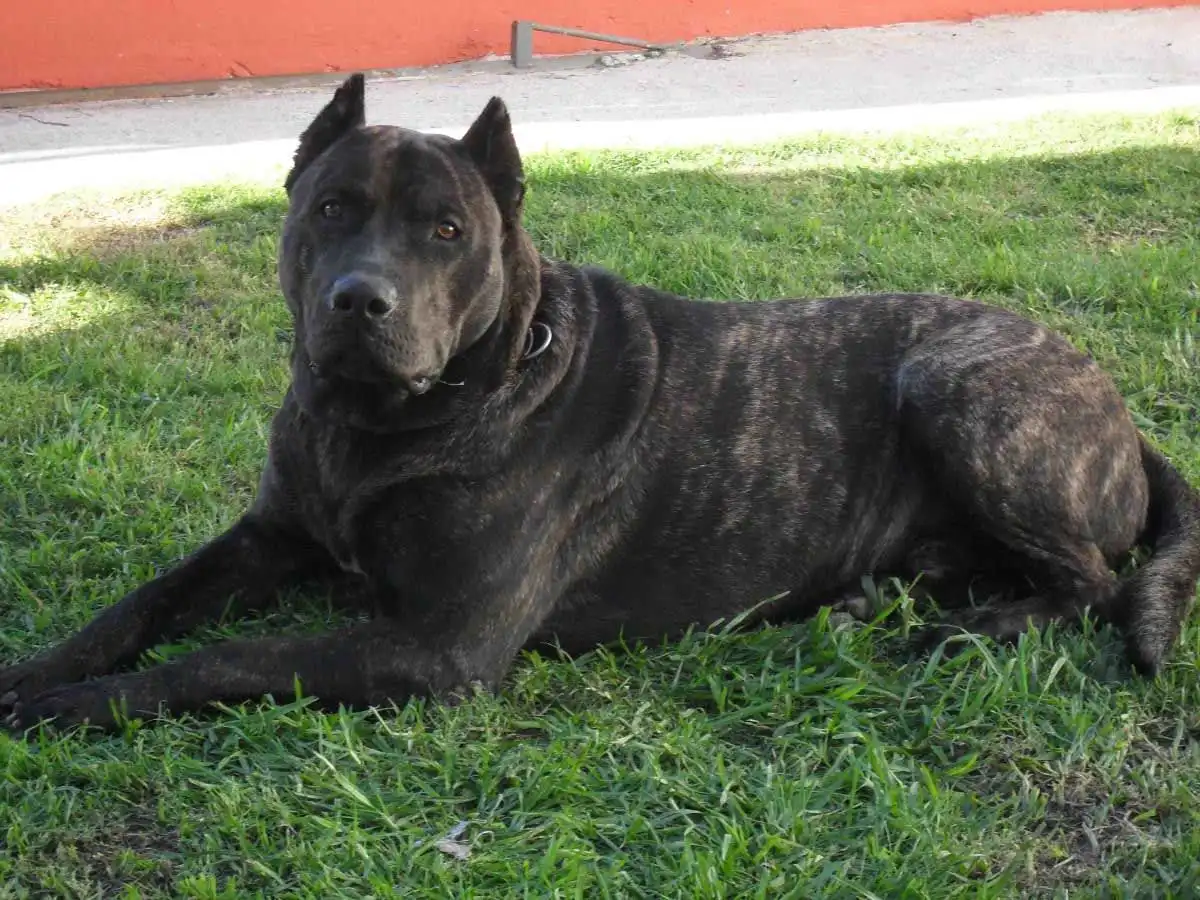
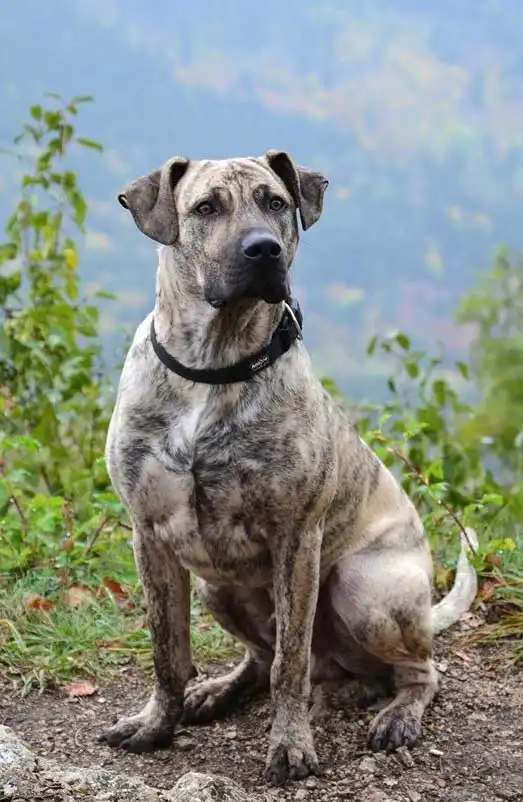
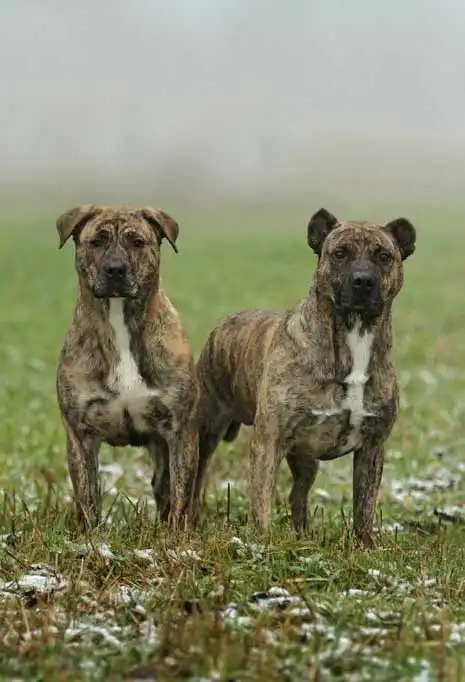
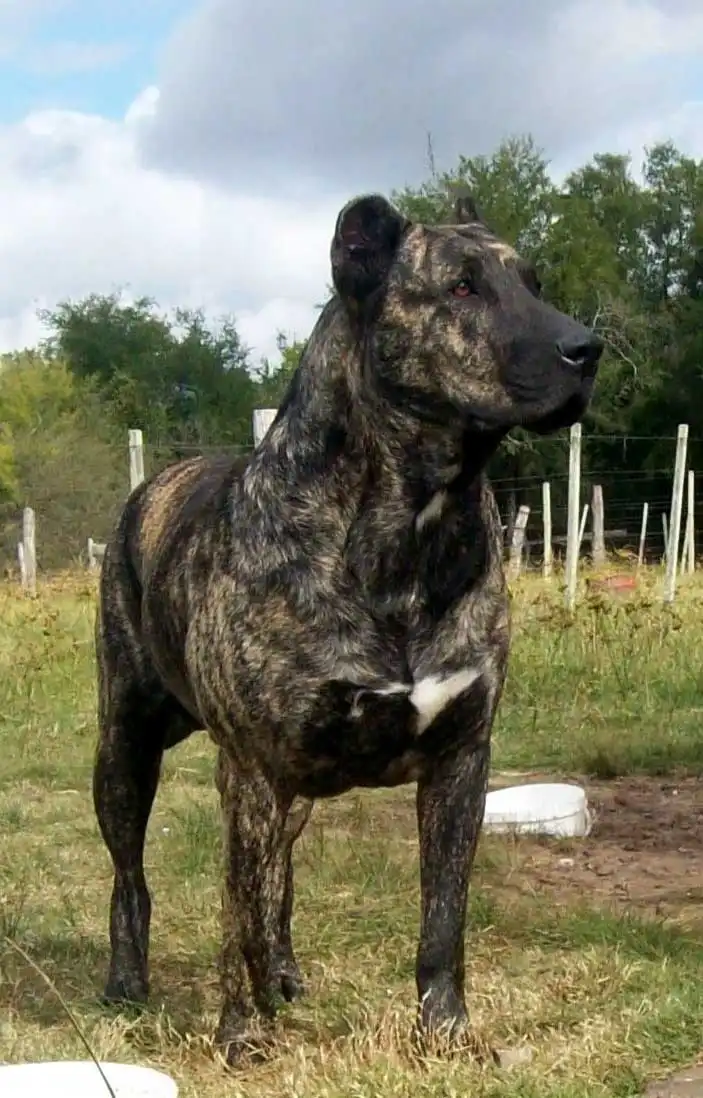
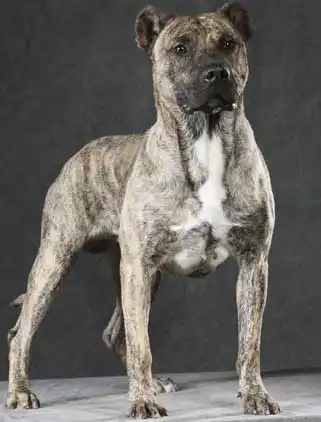
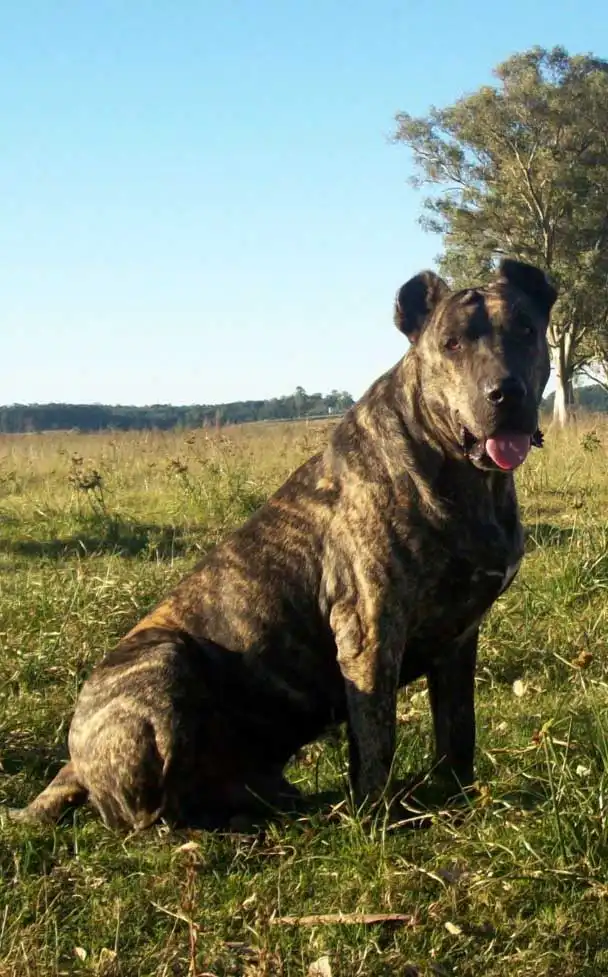
The Uruguayan Cimarron is a strong and athletic breed that bears a resemblance to the Mastiff, distinguished by its muscular physique and agility. This dog has a sleek look, featuring a large head that is not excessively heavy. In contrast to many Mastiff varieties, the Cimarron has a more refined facial structure, with a skull that is proportionate to its body size. It boasts a broad nose with wide, black nostrils. Its eyes are medium-sized and almond-shaped, with any shade of brown acceptable, although darker tones are preferred. For breed standards, a black mask or facial shading is seen as a desirable trait. The overall presence of the Cimarron should exude confidence and curiosity. Its coat is short, smooth, and dense, complemented by a soft undercoat. The outer coat is also short and dense but has a slightly coarser feel. The Uruguayan Cimarron is recognized in just two colors: brindle and fawn. Brindle is characterized by a base of brown or fawn with black stripes, and all variations of fawn are allowed.
Care Routine
The Uruguayan Cimarron is known for being a low-maintenance breed. However, its dense coat requires regular grooming, as it sheds and produces enough dander to be classified as non-hypoallergenic. You can expect to find its fur around your home, on your clothes, and on your furniture. This breed experiences substantial shedding of its undercoat once or twice a year. Due to the Cimarron's large size and somewhat stubborn nature, it is crucial to start training early to help it adapt to grooming routines, which include brushing, nail clipping, bathing, and ear cleaning. If the dog is not accustomed to these practices, weekly grooming sessions may become difficult for both of you. For brushing, a slicker brush is advisable, and a deshedder can be beneficial during heavy shedding seasons. Additionally, check its ears weekly and clean them as needed to avoid any unpleasant smells or infections. Regularly inspect and trim its nails as necessary.
Behavior & Temperament
The Uruguayan Cimarron is not the best option for first-time dog owners. This breed needs a robust fence to keep it secure, as they have a strong instinct to wander. If allowed to roam freely, they might exhibit aggressive behavior towards both humans and other animals. Regularly checking your fence for weaknesses is crucial, as the clever Uruguayan Cimarron can easily find and exploit any vulnerabilities to escape. Consistent training and socialization from an early age are vital for this breed. They often try to assert their dominance over family members, making it essential for them to recognize their position in the household hierarchy. Without firm leadership, you may find the Uruguayan Cimarron testing your authority. Furthermore, this breed is typically not recommended for families with young children and should always be closely monitored around kids and other pets.
Play & Exercise
The Uruguayan Cimarron is an exceptionally smart breed that requires ample attention, training, and exercise. With its high energy levels, this dog thrives under the guidance of a confident owner who can lead during walks and teach appropriate social interactions. When walking your Uruguayan Cimarron, it’s vital to maintain firm control to prevent pulling. Due to its ancestry linked to feral dogs, this breed may display a more dominant personality, making consistent exercise crucial to avoid behavioral problems. During play, steer clear of activities that could challenge your authority, like tug-of-war.
Things to Know
Cups Per Day
3.0 Cups
Daily Activity
45 Minutes
Average Lifespan
14 Years
Origin
1400's
Type
Pure Breeds
Size
Large
Origin Country
Uruguay
Brush Frequency
Weekly
Coat Texture
Straight
Register
Your kids have been begging for a pet forever, and you've recently decided that it's time for your family to get a new addition -- a dog! While everyone is excited for the new arrival, you're wondering if you need to have a dog license. How much does it cost? Is it required? Where do you get one?
Member Clubs

PETINNATE
Guardian Dog

UKC
Guardian Dog
Height & Weight
Weight
87 lbs (39 kg)Male: 92 lbs (42 kg) , Female: 83 lbs (38 kg)
Height
23 inches (58 sm)Male: 24 inches (61 sm) , Female: 23 inches (58 sm)
6 Months
38 lbs ( m 38 lbs, f 38 lbs )
18 inches ( m 18 inches, f 18 inches )
12 Months
52 lbs ( m 52 lbs, f 52 lbs )
20 inches ( m 20 inches, f 20 inches )
18 Months
82 lbs ( m 82 lbs, f 82 lbs )
22 inches ( m 22 inches, f 22 inches )
Eye Colors
Brown

Nose Colors
Black
Coat Colors
Brindle
Fawn