Coton Eskimo
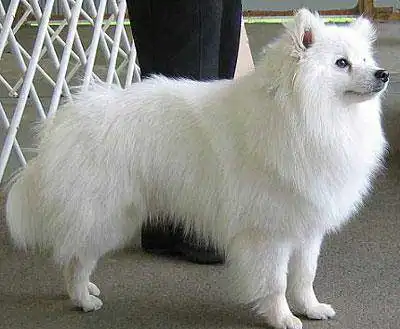
The Coton Eskimo is a medium-sized canine that gets its name from its parent breeds: the American Eskimo and the Coton de Tulear. These dogs are typically characterized by their thick, fluffy fur, which is exceptionally soft and comes in various colors, including solid white, black and white, white with cream, or a tri-color combination. Renowned for their loving disposition, Coton Eskimos make wonderful companions for families. They are intelligent and friendly, which contributes to their ease of training. Grooming needs are generally low, but the amount of care required can differ based on which parent breed they take after. The Coton de Tulear's coat necessitates regular trimming, while the American Eskimo's fur is simpler to maintain, though it still requires consistent brushing.
Breed Origin
The Coton Eskimo, a blend of the Coton de Tulear and the American Eskimo, has somewhat unclear origins, yet its popularity has significantly increased in the United States. The Coton de Tulear, which belongs to the Bichon family, also has a murky history. It is believed that this breed descends from dogs that survived a shipwreck near Madagascar. In the 17th century, the Merina monarchy of Madagascar kept these dogs as cherished companions in their royal court. It wasn't until the 1970s that they were introduced to France and North America, where they quickly gained a following. Often dubbed the "Royal Dog of Madagascar," the breed received official recognition from the American Kennel Club (AKC) in 2014. Conversely, the American Eskimo, part of the Spitz family, is thought to have its roots in Germany. Originally known as the American Spitz, the name was changed to American Eskimo to dissociate the breed from its German heritage. These dogs, celebrated for their striking looks, were once popular in circus acts. They come in three distinct sizes: Toy, Miniature, and Standard, and were officially recognized by the AKC in 1995. Known for their strong work ethic and herding abilities, they currently hold the position of the 122nd most popular breed in the United States. While they may not enjoy the same level of recognition as some similar breeds, their beauty is certainly captivating.
Breed Appearance
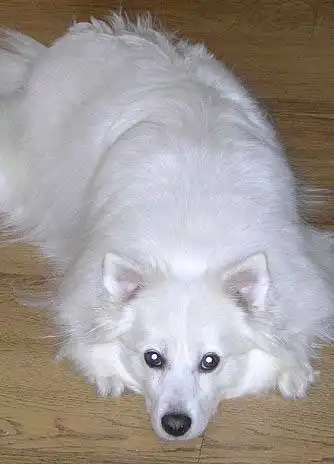
The Coton Eskimo is a medium-sized dog, generally weighing up to 25 pounds, and is distinguished by its thick, fluffy, and incredibly soft coat. Its coat colors can range from solid white to black and white, cream-tipped white, or a tri-color combination. This breed often showcases physical characteristics inherited from its parent breeds: the Coton de Tulear, recognized for its cotton-like fur, and the American Eskimo, which features a straight, double coat that is also fluffy and predominantly white. The Coton Eskimo has slightly oval black eyes that may exhibit tear stains, enhancing its alert and intelligent demeanor. Its muzzle is broad, complemented by a strong jaw and closely aligned teeth. The paws are oval, and the tail is typically held high over the back. Additionally, the Coton de Tulear is noted for its prominent black nose and large, expressive eyes, with tails that elegantly curl over their backs.


Care Routine
Your Coton Eskimo may be hypoallergenic, much like the Coton de Tulear. However, since the American Eskimo does not possess this characteristic, the hypoallergenic nature of your pet will primarily depend on which breed they take after more closely. Hypoallergenic dogs are particularly suitable for those who suffer from allergies. When it comes to grooming, the Coton Eskimo is relatively low maintenance. They shed moderately, so it’s advisable to brush them a few times each week to eliminate loose fur and prevent matting. The Coton de Tulear generally needs weekly baths, whereas the American Eskimo requires bathing only a few times a year. Commonly referred to as Eskies, this breed has sensitive skin, and frequent washing can deplete their natural oils, resulting in irritation. It’s essential to monitor your Coton Eskimo’s skin for any signs of redness and to seek advice from your veterinarian regarding the appropriate bathing frequency.
Behavior & Temperament
The Coton Eskimo makes an excellent family pet, celebrated for its playful and loving demeanor. These dogs are not only intelligent but also eager to please, which simplifies the training process, even for first-time pet owners. Their instinctive caution around strangers enhances their role as effective watchdogs. They often display traits inherited from their parent breeds; for instance, American Eskimos are typically friendly with other dogs, sociable with cats, and great companions for children. Likewise, the Coton de Tulear is known for its affectionate nature and compatibility with kids, easily adapting to different living environments. Their curiosity and willingness to please further facilitate training. Additionally, they are recognized for their playful grunting and their unique ability to walk on their hind legs. To ensure their happiness and to avoid destructive behaviors stemming from boredom, regular exercise is crucial. Fortunately, they can thrive in apartment living as long as they enjoy daily outdoor activities.


Play & Exercise
A Coton Eskimo needs a moderate amount of physical activity to remain healthy and happy. If your dog resembles the American Eskimo, it will probably require more exercise. These dogs excel at performing tricks and engaging in playful activities, rather than simply going for walks. They love games like hide and seek and enjoy being chased by their owners, which has led to them being affectionately called “velcro dogs” due to their strong bond with people. On the other hand, the Coton de Tulear is also playful and seeks attention, but its smaller stature means it doesn't need as much exercise. Both breeds can adapt well to living in apartments, as long as they are taken outside every day. The American Eskimo is more suited to colder climates, while the Coton de Tulear can tolerate the cold but should primarily be kept indoors.
Things to Know
Cups Per Day
3.0 Cups
Daily Activity
45 Minutes
Average Lifespan
14 Years
Origin
Unknown
Type
Crossbreeds
Size
Small
Origin Country
United States
Brush Frequency
Weekly
Coat Texture
Straight
Register
Your kids have been begging for a pet forever, and you've recently decided that it's time for your family to get a new addition -- a dog! While everyone is excited for the new arrival, you're wondering if you need to have a dog license. How much does it cost? Is it required? Where do you get one?
Member Clubs

PETINNATE
Other
Height & Weight
Weight
19 lbs (9 kg)Male: 20 lbs (9 kg) , Female: 18 lbs (8 kg)
Height
16 inches (41 sm)Male: 17 inches (43 sm) , Female: 15 inches (38 sm)
Eye Colors
Brown

Nose Colors
Black
Coat Colors
White
Pied
Cream