Crested Malt
Chinese Maltese
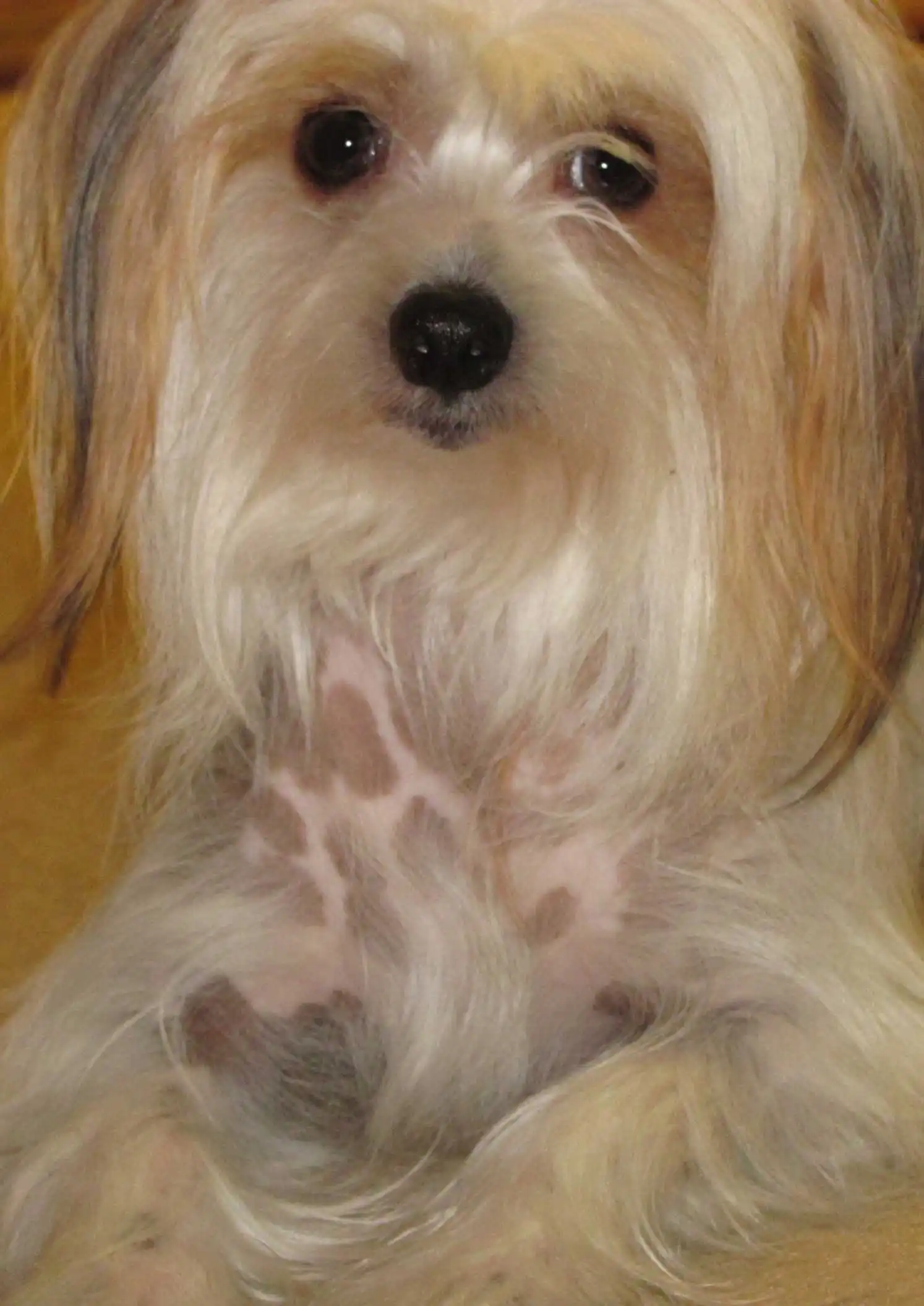
The Crested Malt is an enchanting hybrid toy breed that can inherit a mix of traits from its parent breeds, the loving Maltese and the lively Chinese Crested. Typically, Crested Malts are sociable and playful lapdogs, renowned for their unwavering loyalty to their families. They usually exhibit the slender physique of the Maltese, combined with the unique facial features characteristic of the Chinese Crested. Their coats are long and silky, requiring regular grooming to maintain their beauty. Additionally, Crested Malts thrive on light daily exercise and flourish with the affection they receive from their owners. As this breed is still being developed, it has not yet gained recognition as a purebred by the American Kennel Club.
Breed Origin
The Crested Malt takes its name from its two parent breeds: the Chinese Crested and the Maltese, also known as the Bichon Maltese. Each of these breeds has a rich and distinct history. Many enthusiasts suggest that the Chinese Crested may have originated in what is now Mexico, where it was valued as a companion by the ancient Aztecs. Others contend that its ancestry can be traced back to African hairless dogs, which were brought to Asia by traders in the 13th century. Regardless of its exact beginnings, these dogs were encountered by explorers in various locations, including Central and South America, as well as ports in Africa and Asia, as early as the 1500s. By the 1800s, the Chinese Crested began to be depicted in European art and architecture, and it gained popularity in the United States during the early 20th century. Influential figures, such as Gypsy Rose Lee—a famous performer and passionate supporter of the breed—played a significant role in enhancing its reputation in the mid-1900s. Thanks to the advocacy of Lee and others, the American Kennel Club officially recognized the Chinese Crested in 1991. The Maltese, the other parent breed of the Crested Malt, has its roots on the island of Malta, with a history that dates back to the 5th century. For centuries, these dogs were highly regarded by nobility and wealthy families throughout the Mediterranean. The breed gradually spread westward, influenced by the mingling of cultures during conflicts, particularly the Crusades in the 14th century. After this time, the Maltese gained widespread acclaim across Europe. In the 1800s, American enthusiasts began to import the breed, and it was recognized by the AKC in 1888. Since then, the Maltese has remained a beloved and popular companion in the United States. Although the Chinese Crested and Maltese have been interbred somewhat haphazardly throughout the 20th century, the Crested Malt stands out as a distinctive hybrid, often overshadowed by the more common Maltese mixes available today.
Breed Appearance
The Crested Malt is typically recognized for its slender build, which bears a resemblance to the Maltese, while also showcasing some characteristics of the Chinese Crested, especially in its long, thin legs. This toy breed harmoniously blends the compact shape of the Maltese with the more delicate features of the Chinese Crested. Weighing in at around 5 to 10 pounds, Crested Malts usually reach a height of 10 to 12 inches. Their coat ranges from medium to long, boasting a silky and soft feel, with shorter fur on the body and legs. The breed exhibits a diverse color range, including combinations like white, apricot, black, blue, chocolate, cream, palomino, and slate, often highlighted by spots or white markings. Furthermore, Crested Malts have well-furred tails of medium length, dark eyes and noses, and a moderately tapered muzzle. Their expressions are endearing and curious, complemented by small, round feet featuring black toe pads.


Care Routine
Crested Malts are an excellent option for dog lovers with allergies, as they are hypoallergenic. They have minimal shedding, but their long fur necessitates regular grooming. Given the varying lengths of their coats, it's wise for owners to trim the hair around their pets' ears, face, and paws to avoid infections and ensure their pets can move freely. Monthly baths are advisable, and, like all dog breeds, daily brushing of teeth and trimming of nails once or twice a month are crucial for their overall care. Although it is uncommon in this hybrid breed, some Crested Malts may inherit hairless spots from their Chinese Crested parent. In such instances, it is vital for owners to safeguard these sensitive areas with suitable clothing or skin treatments to prevent irritation or infections.
Behavior & Temperament
Crested Malts are loving and playful companions that flourish in family environments where they receive consistent attention and a well-defined routine. Their keen intelligence and desire to please make them highly trainable and receptive to human direction. Generally, Crested Malts are sociable with both children and other pets, relishing energetic play sessions with dogs of comparable size. Although they may exhibit some nipping during playtime, they are typically not aggressive. As a breed classified as "toy," Crested Malts are known for their vocal tendencies and may bark quite often. Despite their lively disposition, they derive the greatest happiness from snuggling and relaxing with their families, making them perfect pets for urban residents and those in apartments.


Play & Exercise
Crested Malts, thanks to their small stature, only need short walks, some playtime at the dog park, or indoor activities, making them perfect companions for apartment dwellers or those in urban areas. This breed is also quite adaptable to different climates; however, owners should take care to shield them from extreme sun or cold, particularly if they have areas of hair loss. It's important to remember that Crested Malts have a natural tendency to chase after small animals, so they should be closely monitored when off-leash. Additionally, these dogs are intelligent and enjoy participating in games and learning new commands as part of their everyday activities.
Things to Know
Cups Per Day
1.0 Cups
Daily Activity
30 Minutes
Average Lifespan
14 Years
Origin
Post 1900s
Type
Crossbreeds
Size
Small
Origin Country
United States
Brush Frequency
Weekly
Coat Texture
Straight
Register
Your kids have been begging for a pet forever, and you've recently decided that it's time for your family to get a new addition -- a dog! While everyone is excited for the new arrival, you're wondering if you need to have a dog license. How much does it cost? Is it required? Where do you get one?
Member Clubs

PETINNATE
Other
Height & Weight
Weight
8 lbs (4 kg)Male: 8 lbs (4 kg) , Female: 8 lbs (4 kg)
Height
11 inches (28 sm)Male: 11 inches (28 sm) , Female: 11 inches (28 sm)
Eye Colors
Brown

Nose Colors
Black
Coat Colors
White
Black

Blue

Cream