Decker Hunting Terrier
Decker, Decker Giant, Decker Rat Terrier, Decker Giant Rat Terrier
The Decker Hunting Terrier is a developing breed that has gained recognition from the National Rat Terrier Association. Its origins trace back to the 1970s when Milton Decker began breeding a Smooth Fox Terrier mix named Henry. Decker carefully paired Henry with select Rat Terriers to cultivate his calm temperament and remarkable hunting skills, while also preserving his slightly larger size. By the 1980s, this breeding line was reliably producing dogs with these desired characteristics, and in 1995, the National Rat Terrier Association officially acknowledged the Decker line in its pedigree records. These dogs are characterized by their energetic nature and hunting capabilities, typically forming good relationships with both humans and other dogs, although they have a tendency to chase any creature they view as potential prey.
Breed Origin
The Decker Hunting Terrier is a relatively recent breed, developed by Milton Decker near Eugene, Oregon. In the 1970s, while searching for plant stock for his nursery, Decker stumbled upon a selection of Terriers and Terrier mixes at a local gardening supply store, where he had the chance to choose one. He selected a larger, unusually calm three-year-old dog, weighing about thirty-two pounds, whom he named Henry. This dog was a mix of a Smooth Haired Fox Terrier named Frosty Dew and a farm dog called Jock. It quickly became apparent to Decker that Henry possessed remarkable hunting skills, including tracking, jumping deer, and treeing. After learning that Henry’s mother had died shortly after he brought him home, Decker made the decision to breed him in order to preserve his hunting talents and friendly disposition. He sought out high-quality mates for Henry, primarily larger Rat Terriers known for their strong hunting instincts and gentle natures, as well as their erect ears. A few Basenji dogs were also included in the breeding program to enhance the breed's size and prey drive. By the 1980s, the Decker strain was reliably reproducing true to type, and by 1993, Milton Decker passed the responsibility for the breed's further development to other breeders, including Tim Brown, Arlene Fischer, and Rosalie Riner, among others. The National Rat Terrier Association has played a crucial role in monitoring the Decker bloodline for many years and has included the Decker line in their pedigrees since 1995.
Breed Appearance
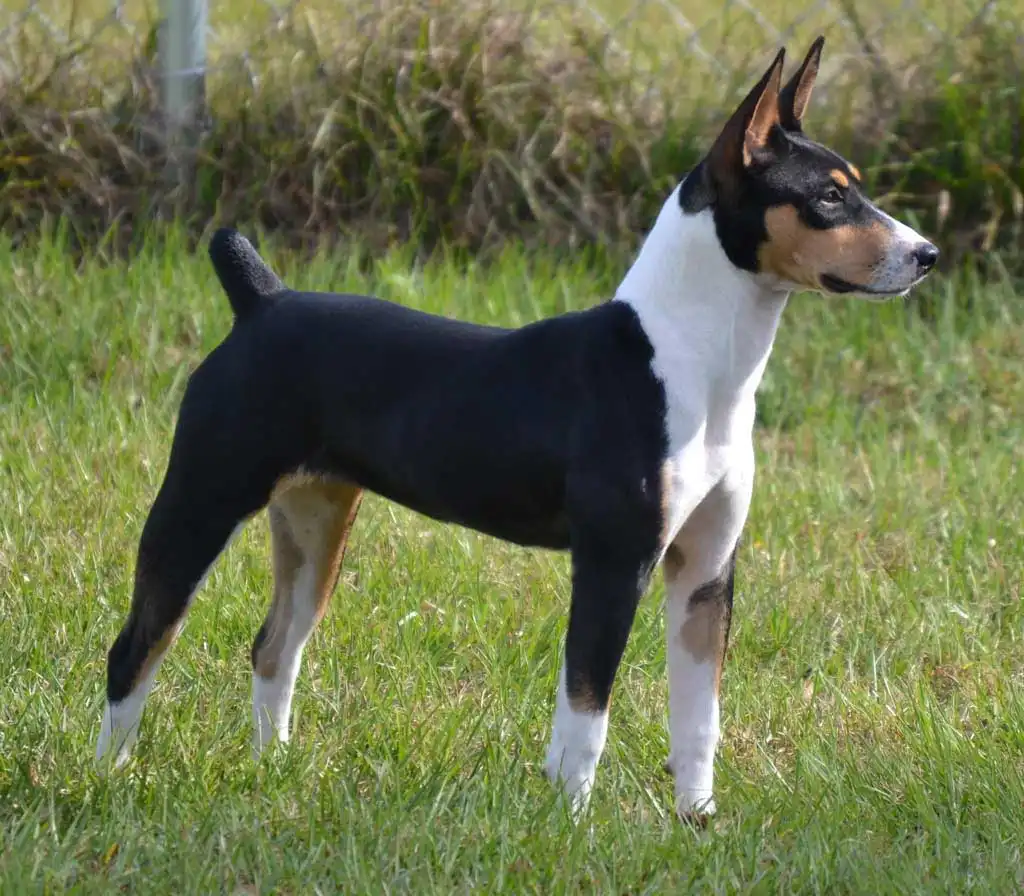
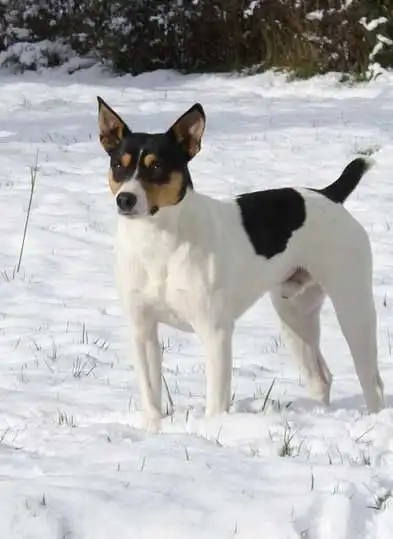
The Decker Hunting Terrier, while generally larger than most Rat Terriers, is still considered a small breed, with the heaviest individuals usually weighing under forty pounds. This breed has a body that is slightly elongated, showcasing a compact yet flexible physique. Their heads feature a smooth, blunt wedge shape, paired with a strong, somewhat tapered muzzle that is shorter than the skull. The eyes are oval and can be either brown or hazel, and their large, triangular ears are positioned high on the head and stand erect. Decker Hunting Terriers have sleek, close-fitting coats that shine and are primarily white, adorned with large patches of color such as black, chocolate, red, or blue, with occasional hints of lemon and apricot. It is not uncommon for these dogs to display tan points and badger markings, and they may have lips that are slightly looser or more wrinkled than those of other breeds within the Fox and Rat Terrier groups.

Care Routine
This breed has a short, single-layer coat that sheds moderately throughout the year. Fortunately, its maintenance is quite simple; regular brushing, ideally once a week or every two weeks with a slicker brush or grooming glove, is sufficient. While frequent baths are not required, it’s vital to choose shampoos and grooming products carefully, as this breed is more prone to skin allergies compared to others. Additionally, keeping the ears clean and dry is essential to avoid infections. The Decker Hunting Terrier, which has lineage from terrier breeds such as the Fox Terrier and Rat Terrier, is also somewhat more susceptible to dental problems, making consistent dental care important.
Behavior & Temperament
The Decker Hunting Terrier is a lively and friendly companion, whether accompanying you on hunting trips or serving as a family pet. Like other breeds in the Fox and Rat Terrier family, Deckers are exceptionally alert and intelligent, though they are generally quieter. Their natural curiosity and eagerness to learn enable them to pick up commands swiftly, and they enjoy participating in various activities with their owners. However, they do not cope well with boredom or a lack of proper training, which can result in anxiety, territorial behavior, or destructive tendencies. Typically, they are great with children, particularly if they are introduced to them early on, and they tend to get along well with dogs of similar or larger sizes. That said, they may have a propensity to chase after smaller animals, including tiny dogs. While some breeders aim to produce dogs for show or as pets, most who specialize in Decker Hunting Terriers continue to focus on breeding them for their original role as active hunting companions.


Play & Exercise
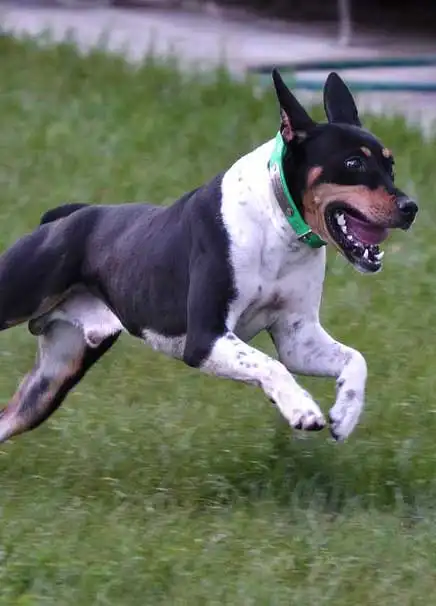
Decker Hunting Terriers, like many terrier breeds, are lively dogs that require significant daily physical and mental stimulation. Due to their strong instinct to chase, it's important to keep them on a leash unless they are hunting or in a safe, enclosed space, as they may go after smaller animals. These dogs are highly intelligent and perceptive; while their instinct to hunt can occasionally divert their attention, they are typically easy to train. Decker Hunting Terriers are versatile and excel in various activities, including hunting, agility training, and advanced obedience exercises.
Things to Know
Cups Per Day
3.0 Cups
Daily Activity
60 Minutes
Average Lifespan
17 Years
Origin
1970s
Type
Pure Breeds
Size
Medium
Origin Country
Oregon
Brush Frequency
Weekly
Coat Texture
Straight
Register
Your kids have been begging for a pet forever, and you've recently decided that it's time for your family to get a new addition -- a dog! While everyone is excited for the new arrival, you're wondering if you need to have a dog license. How much does it cost? Is it required? Where do you get one?
Member Clubs

PETINNATE
Other
Height & Weight
Weight
32 lbs (15 kg)Male: 32 lbs (15 kg) , Female: 32 lbs (15 kg)
Height
21 inches (53 sm)Male: 21 inches (53 sm) , Female: 21 inches (53 sm)
6 Months
24 lbs ( m 24 lbs, f 24 lbs )
18 inches ( m 18 inches, f 18 inches )
12 Months
31 lbs ( m 31 lbs, f 31 lbs )
20 inches ( m 20 inches, f 20 inches )
18 Months
31 lbs ( m 31 lbs, f 31 lbs )
20 inches ( m 20 inches, f 20 inches )
Eye Colors
Hazel

Brown
Nose Colors
Blue
Black
Brown
Coat Colors
Pied
White
Brown
Gray
Black