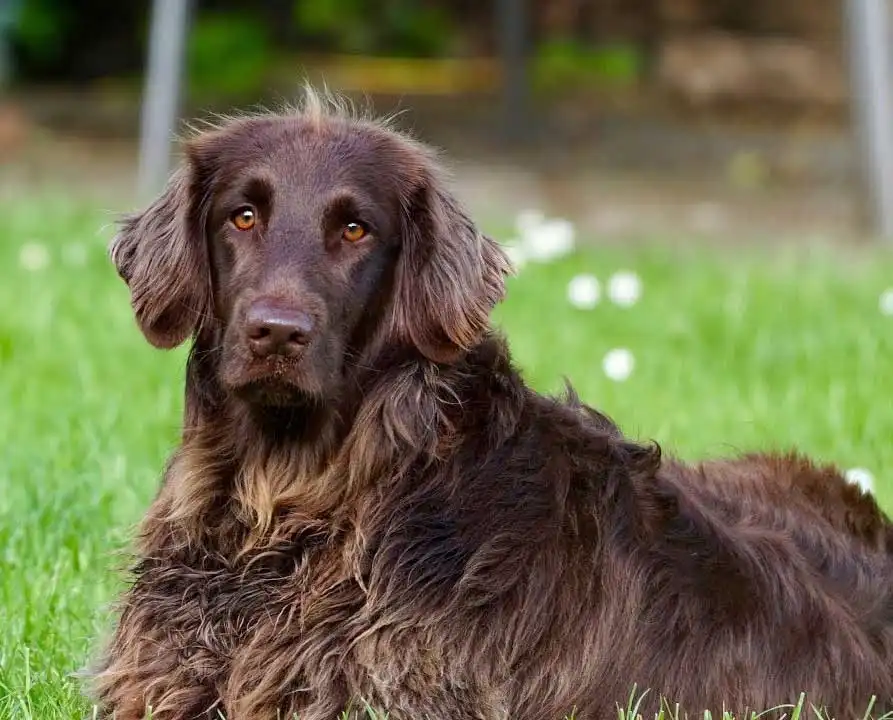
Deutscher Wachtelhund (German Spaniel)
German Spaniel
The Deutscher Wachtelhund is a sturdy, medium-sized breed primarily used as a gundog. Although it is not widely known outside of Germany, this breed is commonly owned by hunters and gamekeepers within its homeland. With a friendly and outgoing disposition, the Deutscher Wachtelhund serves as a wonderful companion when not engaged in hunting. He has a particular fondness for children, though his exuberance can be overwhelming for very young ones. Training this breed is generally uncomplicated, as he has a strong desire to please; using positive reinforcement methods tends to yield the most effective outcomes. Given his keen scent-tracking abilities, it is crucial to have a securely fenced yard to ensure his safety. Moreover, supervision is important around smaller pets, as he should not be left alone with them.
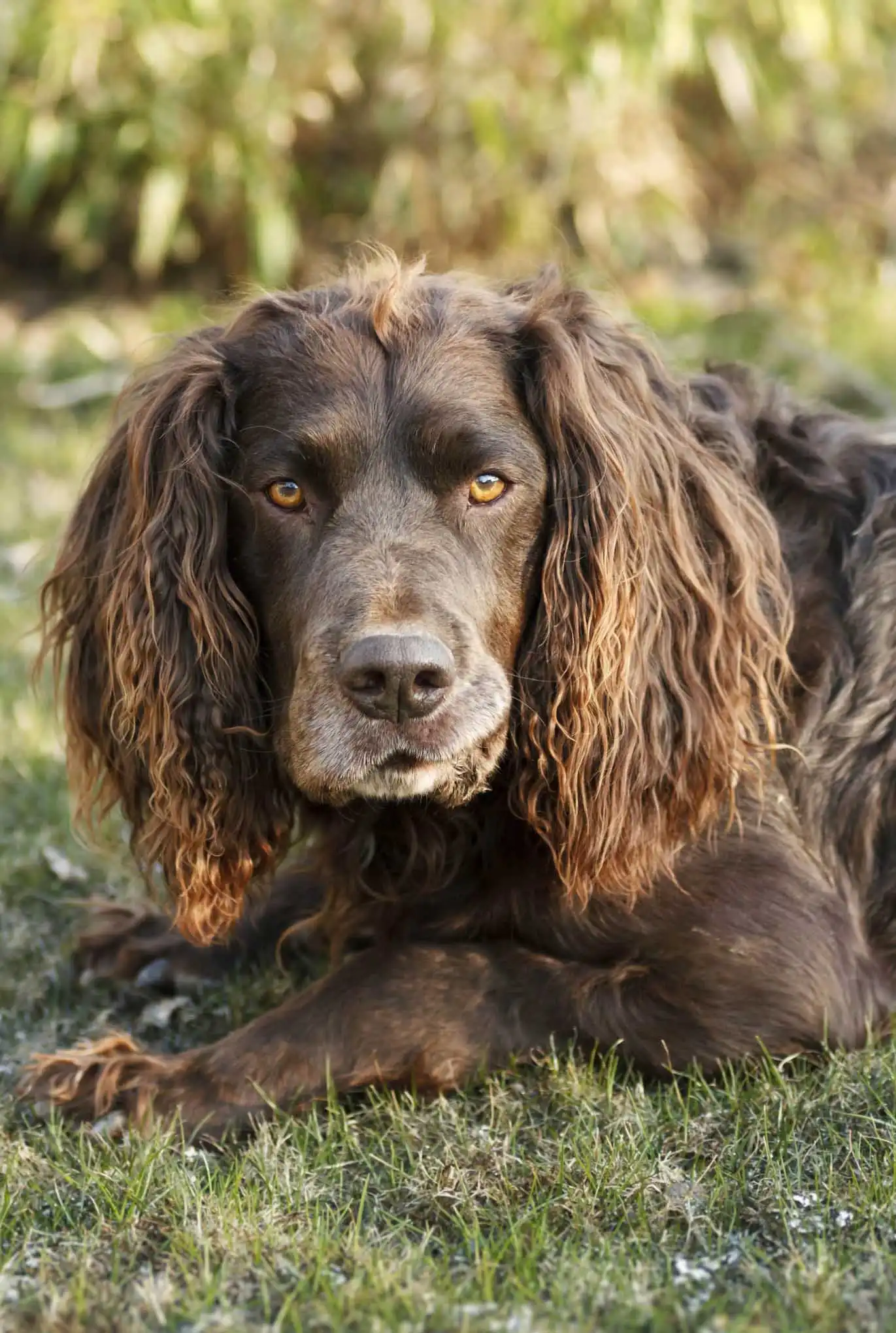
Breed Origin
The Deutscher Wachtelhund is a remarkably versatile gundog, primarily employed for flushing game from thick underbrush. This breed, developed specifically for hunting, excels as a bird dog. Hailing from Germany, its ancestry can be traced back to the Stober Dog, which was established before the German Revolution in the 1600s. Bred by the nobility to serve as both a pointer and a flusher, the Stober Dog's lineage paved the way for the Deutscher Wachtelhund. After the revolution, there was a growing need for hunting dogs among the common populace, who could not afford to maintain multiple breeds. This demand led to the creation of the Deutscher Wachtelhund, envisioned as a multifunctional forest dog. In 1900, the German Kennel Club began assisting dog clubs in formulating breed standards and performance assessments. It also mandated the establishment and preservation of specific pedigrees to trace lineage. The Verein für Deutscher Wachtelhund (VWD) was established in 1903, and by 1908, performance hunting tests for the breed were introduced. The VWD officially recognized the breed standard in 1910, selecting eleven foundational dogs—four males and seven females—from various regions in Germany. All registered Deutscher Wachtelhunds today can trace their heritage back to these eleven original canines. Today, the Deutscher Wachtelhund is primarily owned by professional hunters and foresters in Germany, remaining largely unknown to those outside the hunting sphere. Prospective owners are required to have their Deutscher Wachtelhund undergo a juvenile hunt test before the dog reaches 18 months. Subsequently, the dog must pass three additional levels of hunt tests to qualify for the German versatile hunt test. To be included in the breeding registry of the German Wachtelhund Association, a dog must achieve a minimum score of five on each test. Only those dogs listed in this breeding registry are allowed to reproduce.
Breed Appearance
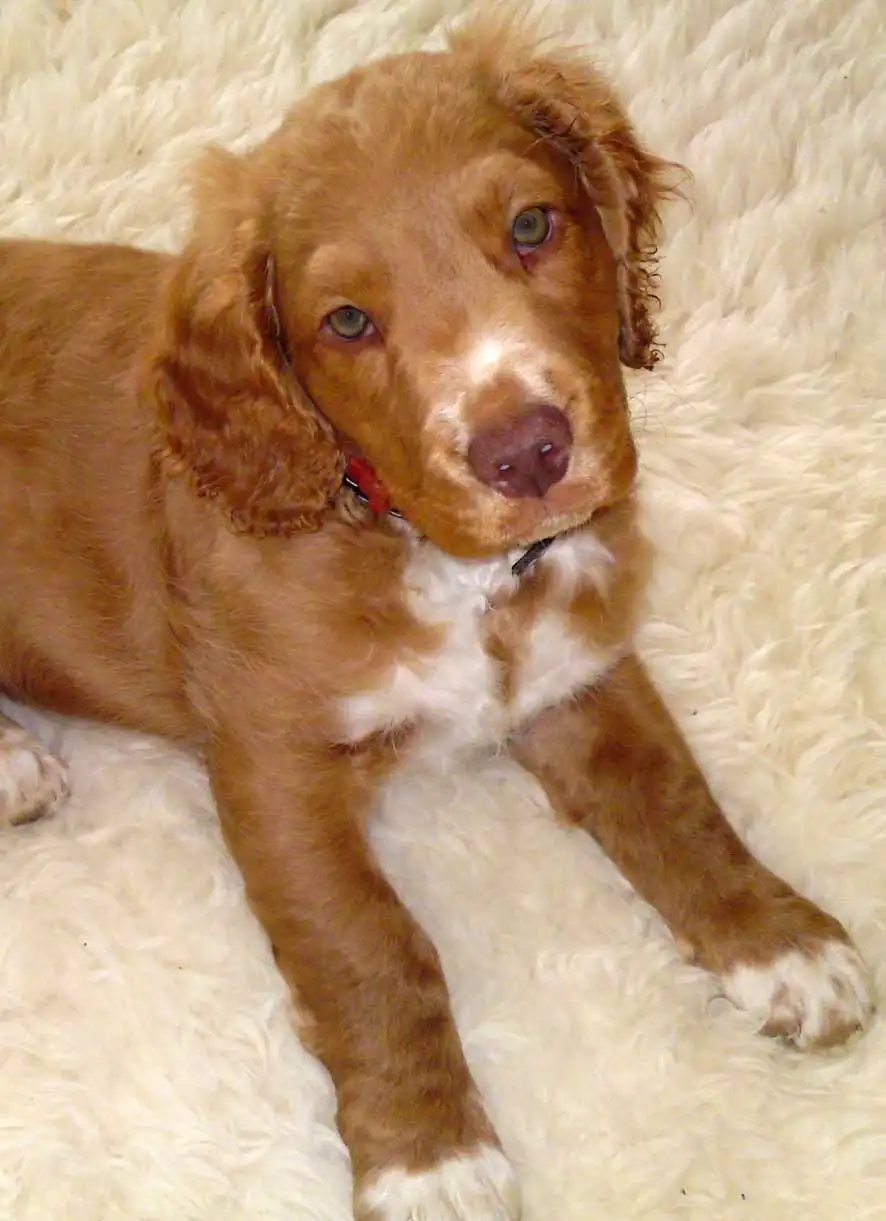
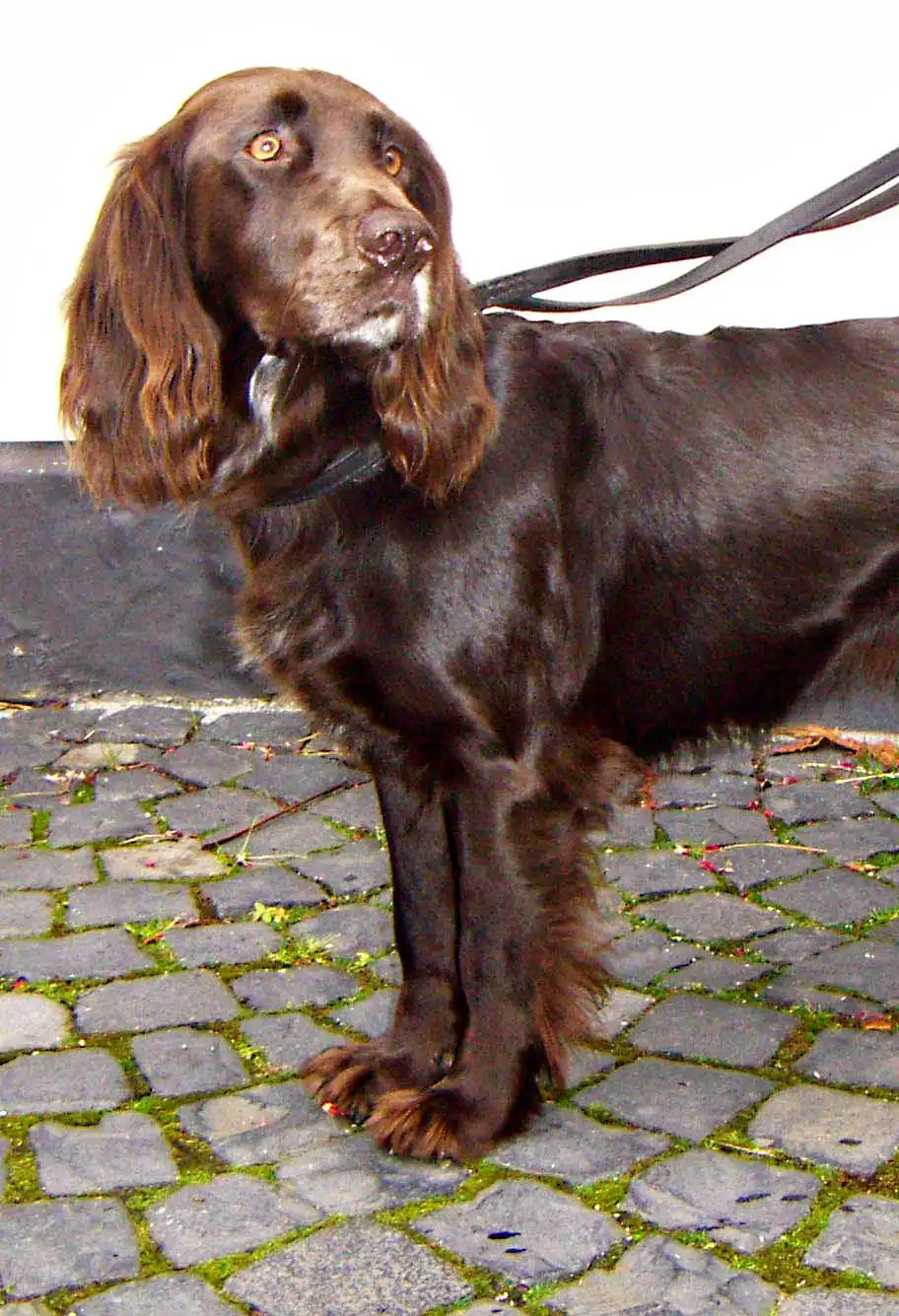
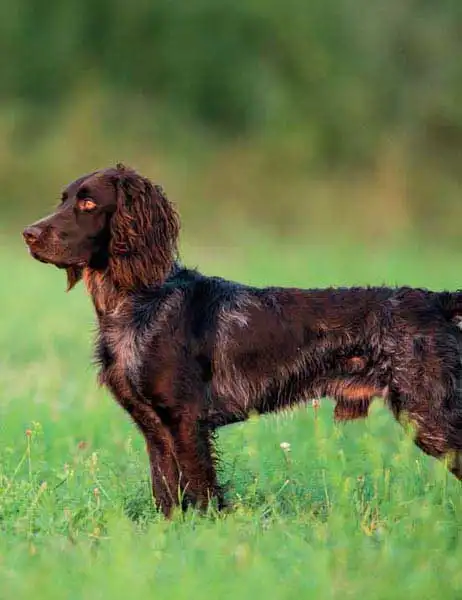
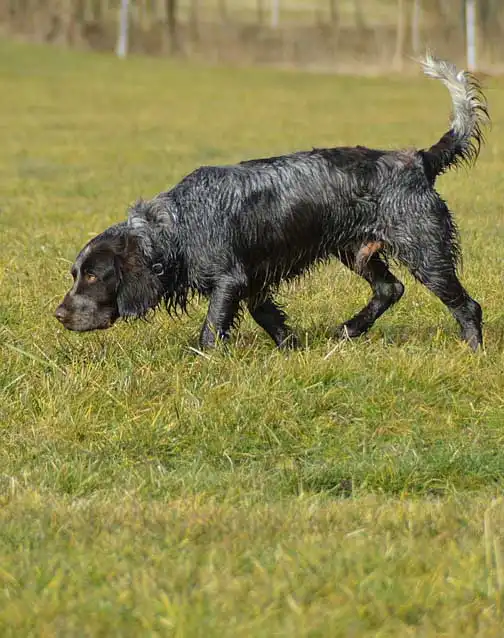
The Deutscher Wachtelhund is predominantly found in two color variations: brown schimmel and solid brown. The term "brown schimmel" describes a brown base color that is speckled with white ticking, and dogs of this type can showcase a spectrum of shades, ranging from red to dark brown, all adorned with white markings. On the other hand, solid brown Deutscher Wachtelhunds can exhibit colors from blonde and orange to rich brown. In Germany, breeding is limited to these two specific colorations, whereas in the United States, all color variations are accepted. This breed features a medium-length coat that is thick and somewhat coarse in texture. The coat may have a wavy or curly appearance, and the dog should possess significant feathering on its legs and tail, though this should not impede its working capabilities. Beneath the outer coat lies a softer undercoat. It is crucial that the coat does not possess a silky or excessively soft texture, as it is vital for providing protection during hunting in dense underbrush.
Care Routine
The Deutscher Wachtelhund needs consistent grooming to keep his coat in good condition. It's recommended to brush him at least once a week using a pin brush and a metal comb. Any knots or tangles should be gently worked out with the metal comb, and using a detangler spray can make this task easier. Furthermore, it's important to regularly trim the hair between his toes to avoid the buildup of dirt and debris, which can cause irritation. This breed has a moderate shedding rate and goes through seasonal shedding; during these peak times, grooming should be increased to two or three times a week. Due to his droopy ears, weekly checks and cleaning are crucial to prevent dirt and moisture from accumulating, which could lead to infections. Nail trimming should be done as needed, generally every two to three weeks. Additionally, establishing a regular dental care routine is vital for his oral health.
Behavior & Temperament
The Deutscher Wachtelhund is a highly versatile gundog, primarily cherished by avid hunters, but its appeal as a family companion is steadily increasing. This breed is characterized by its energetic and sociable nature, exhibiting a friendly disposition without any signs of fear or shyness. Celebrated for its exceptional hunting abilities, the Deutscher Wachtelhund boasts impressive scent-tracking skills similar to those of a Bloodhound. To flourish, this breed needs a confident owner who can offer consistent training, guiding him to understand his role within the family dynamic. While he typically interacts well with children, his high energy levels may be too much for toddlers and young kids. Moreover, small pets, such as birds and other small animals, should be kept in secure environments to ensure their safety from the Deutscher Wachtelhund. If not socialized with cats from an early age, he may not treat them with the respect they deserve. A sturdy fence is crucial to keep him contained within your yard, preventing him from straying off in pursuit of potential prey.
Play & Exercise
Things to Know
Cups Per Day
0.0 Cups
Daily Activity
0 Minutes
Average Lifespan
13 Years
Origin
1890
Type
Pure Breeds
Size
Not Set
Origin Country
Germany
Brush Frequency
Daily
Coat Texture
Straight
Register
Your kids have been begging for a pet forever, and you've recently decided that it's time for your family to get a new addition -- a dog! While everyone is excited for the new arrival, you're wondering if you need to have a dog license. How much does it cost? Is it required? Where do you get one?
Member Clubs

PETINNATE
Gun Dog

AKC
Foundation Stock Service

UKC
Gun Dog
Height & Weight
Weight
48 lbs (22 kg)Male: 48 lbs (22 kg) , Female: 48 lbs (22 kg)
Height
20 inches (51 sm)Male: 20 inches (51 sm) , Female: 19 inches (48 sm)