Doberman Collie
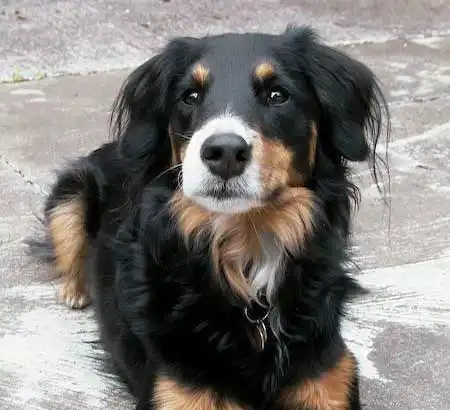
The Doberman Collie is a vibrant and attentive mix of the Doberman Pinscher and Border Collie, showcasing an agile and spirited nature. This medium to large dog embodies a sense of adventure and unwavering loyalty to his family. With a strong, athletic physique and keen intelligence, he flourishes in active environments and thrives on interaction. Originating from a lineage of working dogs celebrated for their guarding and herding skills, this hybrid enjoys being active but also values quiet, cozy moments with his loved ones at the end of the day. To keep up with his energetic lifestyle, an owner with plenty of enthusiasm is crucial.

Breed Origin
The story of your hybrid's ancestry is still being revealed, but we can trace its origins back to its parent breeds. The Doberman, which hails from Germany, was originally bred to serve as a companion and protector for a tax collector named Louis Dobermann. This breed is thought to have evolved from a mix of several breeds, including the Weimaraner, Rottweiler, German Pinscher, Beauceron, and even the Manchester Terrier. Known as the Doberman Pinscher, this intelligent and eager breed made a name for itself in guarding roles and later excelled in military and police work. The American Kennel Club officially recognized it in 1908. Before the 1800s, wood engravings by Thomas Bewick, featured in *The History of Quadrupeds*, showcased dogs that resembled the Border Collie. During the 1800s, various types of sheepdogs with distinct herding methods thrived in Great Britain. The first documented sheepdog trial occurred in 1873, where a dog named Hemp demonstrated exceptional abilities, leading many to regard him as the ancestor of the Border Collie breed. Some speculate that the Border Collie descends from older British droving dogs, possibly interbred with Spaniel lineage. Queen Victoria is said to have developed a fondness for the breed after meeting a Border Collie during a visit to Balmoral. In 1906, the breed's initial standard was established, although it was generally referred to as "sheepdogs" until around 1915, when the name Border Collie was officially adopted. This designation likely refers to the area where the breed was developed, located between the Scottish and English borders. Upon its introduction to the United States, the Border Collie quickly gained favor among shepherds and became well-known for its skills in obedience trials. Furthermore, members of this breed have been successfully trained as guide dogs for the visually impaired. The American Kennel Club recognized the Border Collie in 1995.
Breed Appearance
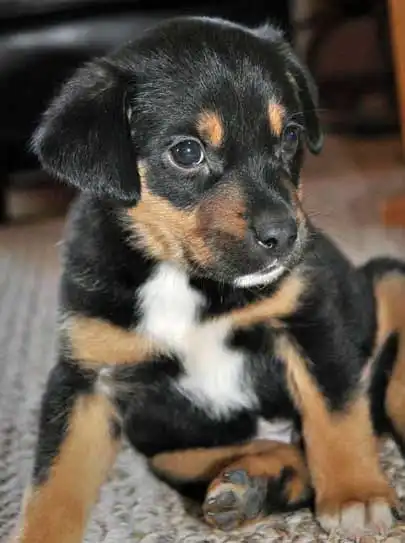
The Doberman Collie is anticipated to be a strong and athletic breed, distinguished by its elongated body, although its height will vary based on the genetic traits inherited from its parents. This hybrid will have sturdy pads and nails, complemented by well-developed legs. Its facial features may take after either parent, as both breeds share elongated muzzles, with the Doberman Pinscher typically having a more slender look. Expect your Doberman Collie to have captivating eyes, a robust jaw, and well-aligned teeth. Its ears may be semi-erect or gently folded. The coat color is likely to reflect a mix of its ancestry, possibly displaying the Border Collie's unique white chest markings or predominantly showcasing shades of tan and black. Additionally, the texture of the coat can differ, ranging from short and sleek to medium and coarse.

Care Routine
If your Doberman Collie has a longer coat, regular grooming is essential, which should include weekly brushing and combing. During shedding seasons, you’ll need to invest additional time in his grooming routine. Bathing should be done only when absolutely necessary, but it’s crucial to frequently inspect his ears and coat for ticks, particularly if he spends a lot of time outdoors. This mixed breed loves to run, and when in areas with tall grass, he may encounter ticks. Living in an apartment is not ideal for a Doberman Collie, and he should not be left chained in a yard for long periods. This breed thrives on social interaction and needs a job or activity to stay content.
Behavior & Temperament
The Doberman Collie often exhibits a degree of reserve when meeting new people. To ensure your hybrid dog feels comfortable in different settings, it’s crucial to focus on socializing him with various individuals. While he generally gets along well with other dogs, he may face difficulties with same-sex companions, making regular trips to the dog park essential for sufficient social interaction. Initiating this socialization early in his life is particularly advantageous. Due to his sharp intelligence and keen awareness, he tends to respond positively to training, especially when it involves verbal praise as a reward. This hybrid is not ideal for those who cannot dedicate time to interact with him or for families that leave him alone for long stretches. He thrives on mental engagement and companionship; without these, he may develop destructive habits driven by anxiety and boredom.
Play & Exercise
The Doberman Collie is an exceptionally active breed that requires both physical exercise and mental engagement to flourish. This dog thrives on challenges and relishes the thrill of competing in herding or obedience events. With a strong affinity for running, he makes an excellent partner for those who enjoy jogging. Many owners of Doberman Collies report that their pets inspire a more active lifestyle. To cater to their high energy levels and spirited nature, owners should commit to at least an hour of exercise daily, with even more time being advantageous.
Things to Know
Cups Per Day
3.0 Cups
Daily Activity
60 Minutes
Average Lifespan
14 Years
Origin
Unknown
Type
Crossbreeds
Size
Large
Origin Country
Unknown
Brush Frequency
Weekly
Coat Texture
Straight
Register
Your kids have been begging for a pet forever, and you've recently decided that it's time for your family to get a new addition -- a dog! While everyone is excited for the new arrival, you're wondering if you need to have a dog license. How much does it cost? Is it required? Where do you get one?
Member Clubs

PETINNATE
Other
Height & Weight
Weight
63 lbs (29 kg)Male: 65 lbs (29 kg) , Female: 60 lbs (27 kg)
Height
24 inches (61 sm)Male: 25 inches (64 sm) , Female: 23 inches (58 sm)
Eye Colors
Brown
Nose Colors
Black
Coat Colors
Black
Brown
Fawn
Sable