Dunker
Norwegian Hound, Norwegian Dunker, Dunker Dog, Norwegian Rabbit Hound, Norwegian Scenthound
The Dunker is a medium-sized scent hound that traces its roots back to 19th century Norway. This breed, like many that are regionally specific, is known for its gentle nature and affectionate personality, making it an ideal companion. However, in contrast to more widely recognized breeds like the Beagle, the Dunker is relatively uncommon in its native country and remains largely unfamiliar in many parts of the world. While they are skilled at following commands and tracking scents, which makes them proficient hunters, it is noteworthy that approximately 75% of Dunkers are reported to have some level of deafness in one or both ears, which may contribute to their limited numbers. Despite this challenge, Dunkers are celebrated for their loving and playful temperament. Their laid-back attitude, however, can diminish their effectiveness as guard dogs, as they often show indifference or lack of interest towards strangers. With appropriate training and early socialization, they typically interact well with other dogs and children, but their occasional stubbornness and hearing issues may necessitate a more experienced owner for successful training.
Breed Origin
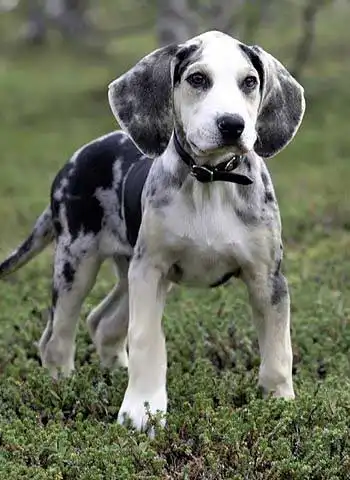
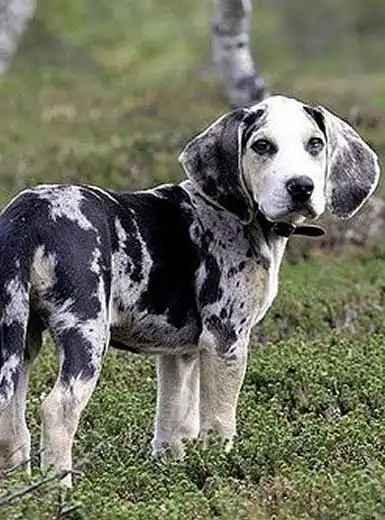
The Dunker may not be widely known, but its origins are quite clear. This breed was developed by Captain Wilhelm Conrad Dunker, a Norwegian writer and military officer, who sought to create a new kind of scent hound. His ambition was to breed a dog that not only thrived in hunting but could also withstand Norway's harsh, cold climate, a nation that was among the least developed in Europe during that era. To realize this vision, Dunker crossbred local Norwegian scent hounds with Russian Harlequin Hounds, resulting in a breed celebrated for its remarkable endurance, hunting prowess, resilience, and well-rounded temperament. Additionally, the Dunker is distinguished by its striking coat, featuring a unique blue marbled and speckled pattern that sets it apart from other breeds. Initially, the Dunker was favored by hunters; however, its population sharply declined after World War II due to the disruptions caused by the German occupation, which severely impacted breeding practices. Although interest in the breed saw a resurgence in the post-war years, the emergence of various new hunting dog breeds in the 1970s led many hunters to prefer these alternatives. By the 1980s, the Dunker's popularity had further diminished, prompting some breeders to resort to inbreeding, which likely resulted in an increased occurrence of deafness within the breed. Efforts were made to introduce new bloodlines to reduce the risk of extinction, yet the Dunker remains a rare breed, primarily found in Norway and other Scandinavian nations. Despite its limited numbers—fewer than 200 registered annually—the breed gained recognition from the United Kennel Club in 1996.
Breed Appearance
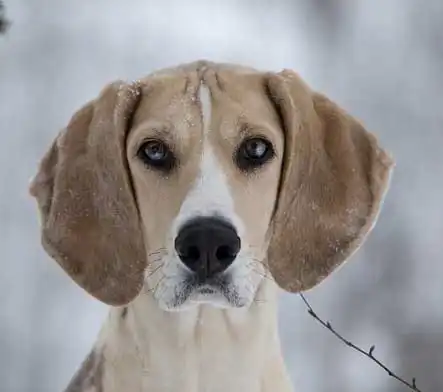
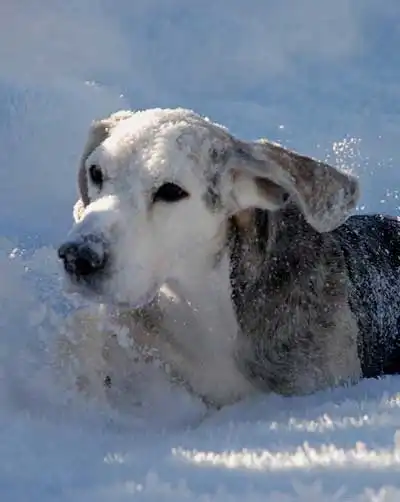
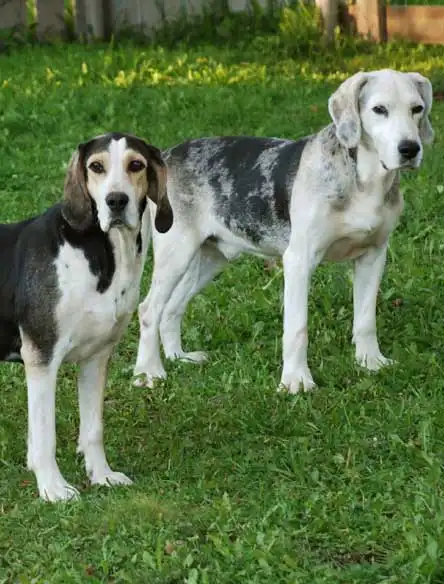
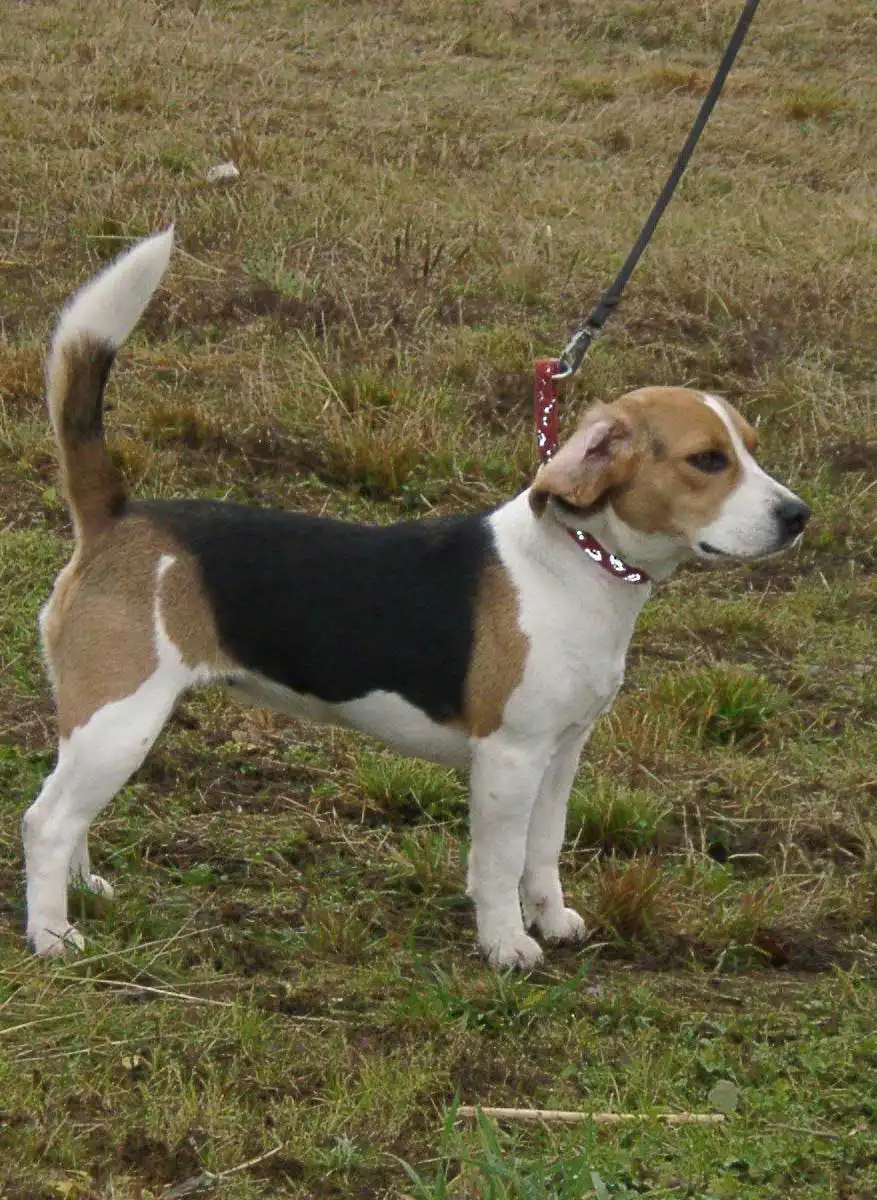
The Dunker is a medium-sized dog breed, generally reaching just under two feet in height at the shoulder and weighing between 25 and 40 pounds. This breed boasts an athletic build, showcasing a lean and agile physique supported by strong legs that enable quick movements. Their coats are unique, coming in either black or the more desirable blue, especially when well-marbled, often accented with tan or fawn highlights and white markings. The Dunker features a slightly rounded skull and a rectangular muzzle that matches the skull's length, topped with a black nose that has broad nostrils. Their ears are medium in length and hang down. Eye color can vary widely, with dark shades being predominant, although some dogs may have the uncommon blue eyes. The breed has a straight back, upright front legs, and a slight angulation in the hind legs. Their tails are thick at the base, tapering gradually, and are carried straight.
Care Routine
Dunkers are generally considered to have a moderate maintenance level. They tend to shed more than average, necessitating brushing several times a week—preferably with a bristle brush—to keep their coats and the surrounding area clean. Beyond this grooming requirement, they don’t ask for much else. This breed is not usually associated with strong odors; they typically require only occasional baths using dog-specific shampoo, as other soaps or excessive bathing can disrupt their natural oils. For those used in hunting, regular outings can help naturally wear down their nails. However, for those kept as pets, it’s essential to regularly check and trim their nails to prevent cracking or breaking. Additionally, brushing their teeth at least once a week is advisable, if possible.
Behavior & Temperament
Dunkers are not only adept and courageous hunters but also affectionate dogs that flourish with love and attention. When they’re not out hunting, they display a surprisingly relaxed and easygoing attitude. However, their disinterest in strangers makes them unsuitable for guard or watchdog duties. They do tend to bark often, alerting those around them to anything that captures their attention, so it’s important to have a living space that accommodates this behavior, along with early training. Generally, Dunkers are friendly and get along well with other dogs, new people, and even young children. Nevertheless, their hunting instincts can pose challenges when it comes to smaller pets that aren’t dogs. Training can be somewhat difficult due to their potential for partial deafness in one or both ears, as well as their independent and strong-willed temperament. Consequently, they usually need a firm and experienced owner to establish and maintain authority. Furthermore, Dunkers are energetic dogs that require ample exercise to remain well-mannered; without enough physical activity, they may become noisy or restless.
Play & Exercise
Dunkers are recognized as dogs with medium to high energy levels, necessitating regular and consistent physical activity. Originally bred for their endurance as hunters, they require significant exercise to effectively expend their energy. Consequently, long walks, jogging, or play sessions at the dog park are vital for most owners. Activities such as fetch, frisbee, or any training that promotes running and targeting are especially beneficial for providing both mental and physical engagement. These exercises are essential for maintaining their happiness, health, and good behavior, whether they are indoors or outdoors. It is recommended that they engage in at least 45 to 60 minutes of vigorous exercise daily.
Things to Know
Cups Per Day
2.5 Cups
Daily Activity
60 Minutes
Average Lifespan
14 Years
Origin
19th Century
Type
Pure Breeds
Size
Medium
Origin Country
Norway
Brush Frequency
Daily
Coat Texture
Straight
Register
Your kids have been begging for a pet forever, and you've recently decided that it's time for your family to get a new addition -- a dog! While everyone is excited for the new arrival, you're wondering if you need to have a dog license. How much does it cost? Is it required? Where do you get one?
Member Clubs

PETINNATE
Scenthound

UKC
Scenthound
Height & Weight
Weight
32 lbs (15 kg)Male: 32 lbs (15 kg) , Female: 32 lbs (15 kg)
Height
20 inches (51 sm)Male: 21 inches (53 sm) , Female: 20 inches (51 sm)
6 Months
22 lbs ( m 22 lbs, f 22 lbs )
13 inches ( m 13 inches, f 13 inches )
12 Months
27 lbs ( m 27 lbs, f 27 lbs )
16 inches ( m 16 inches, f 16 inches )
18 Months
32 lbs ( m 32 lbs, f 32 lbs )
19 inches ( m 19 inches, f 19 inches )
Eye Colors
Blue

Hazel
Brown
Amber
Nose Colors
Black
Coat Colors
White
Fawn

Blue

Black