East European Shepherd
Owczarek Wschodnioeuropejski, Vostochnoevropejskaya Ovcharka, and VEO
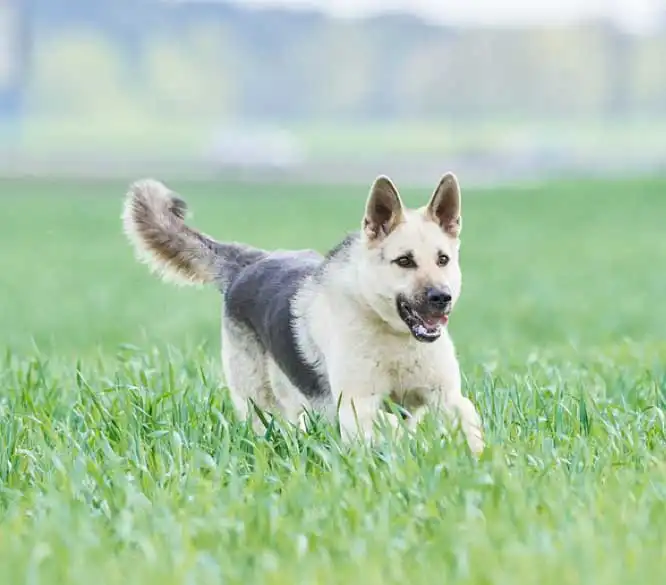
The East European Shepherd is an impressively large breed, recognized for its alert demeanor and strong protective nature. Developed in the 1930s, this breed was specifically bred to excel in colder environments and to mitigate the hip and joint problems often associated with its predecessor, the German Shepherd. These dogs are highly trainable, displaying obedience and a desire to please, which means they require little repetition during training. As attentive guardians, they are quick to notify their owners of any potential threats and are courageous in defending their loved ones. For East European Shepherds, growing up with children is crucial, as it helps forge a deep bond that can last a lifetime. However, they tend to be wary of unfamiliar people, including children, highlighting the necessity of early socialization. While they can adapt to living in apartments, they truly flourish in homes with yards that provide ample space for exercise and exploration. These intelligent dogs are well-suited for a variety of working roles, including law enforcement and search and rescue, but they also excel as devoted companions, always ready to assist their owners in any circumstance.
Breed Origin
The East European Shepherd originated in the 1930s when the Soviet military acknowledged the remarkable working abilities, strong dedication, and impressive appearance of the German Shepherd. To create a breed suited for the harsher, colder climates, they began crossbreeding German Shepherds with sturdy Russian breeds such as the Caucasian Shepherd, Central Asian Shepherd, and Laika. The initial breeding efforts occurred in the Byelorussian region, resulting in dogs referred to as Byelorussian Owtcharka. Although World War II interrupted this development, breeding resumed after the war, culminating in the creation of the East European Shepherd, which was notably larger and more robust than its German relative. This new breed featured a more solid build and a powerful bite, quickly becoming the favored dog of the KGB. In 1964, the first official breed standard for the East European Shepherd was established. These dogs are recognized for their well-balanced temperament, protective nature, and deep loyalty to their owners, along with a cautious and aggressive demeanor towards strangers. Their natural quietness makes them excellent watchdogs, and their eagerness to learn and ability to respond to training have made them favorites among professional trainers and law enforcement. While the breed is popular in Russia, it remains relatively rare in other regions of the world. Nonetheless, there is optimism that its distinctive traits will lead to increased global recognition and appreciation.
Breed Appearance
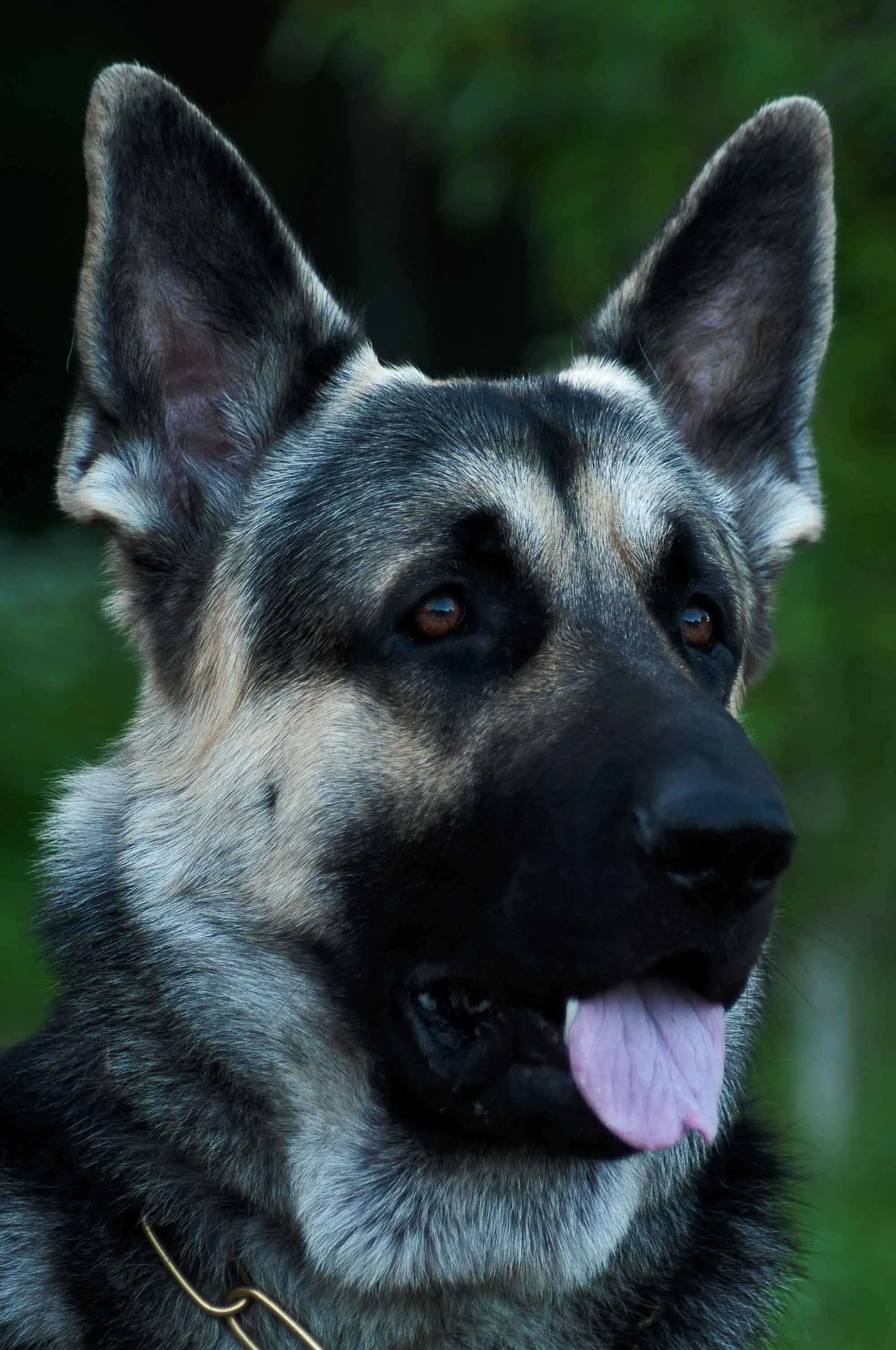
The East European Shepherd, while closely resembling the German Shepherd, is distinctly larger and more robust. This breed is characterized by a substantial head, with prominent upright ears and large, expressive brown eyes that reflect a sense of curiosity. Its coat is thicker and denser compared to that of the German Shepherd, featuring a soft undercoat that allows it to withstand severe winter conditions. The East European Shepherd boasts a powerful, muscular build, with a straight back that gently slopes toward a long, fluffy tail. Its chest is moderately deep, and the belly is well-tucked. The legs are straight and strong, supporting oval, well-padded feet. This breed has a striking 'wolf-like' appearance, highlighted by a keen, unwavering gaze. Its forehead is slightly rounded, and it has a long muzzle equipped with large, formidable teeth set in a strong jaw that exhibits a scissors bite. Color variations in this breed include the solid black favored by the Russian KGB, as well as combinations like black and tan with a black mask, black and red, and the rarer sable grey or sable red.

Care Routine
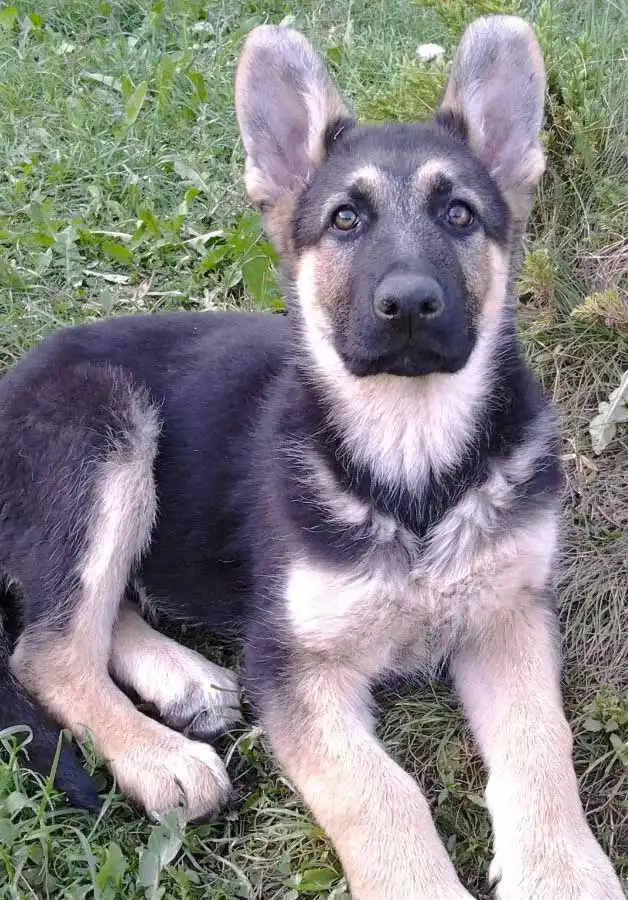
The East European Shepherd is recognized for its regular shedding, so if you're not keen on having dog hair around your home, this breed may not be ideal for you. They have a thick, dense coat with a soft undercoat, which requires brushing at least twice a week to keep it healthy. Frequent baths are usually not necessary, as they can strip the natural oils that protect their coat from cold temperatures. When baths are required, it's best to use a mild dog shampoo for the best results. Since they can grow quite large, it's crucial to begin training them while they are still puppies. This early training should involve getting them used to having their teeth brushed, nails trimmed, and ears cleaned. Training a puppy is significantly easier than trying to manage a large, somewhat reluctant adult dog. The East European Shepherd is a devoted companion that flourishes with regular exercise and a sense of purpose, such as guarding the home.
Behavior & Temperament
The East European Shepherd is frequently characterized by attributes such as versatility, resilience, loyalty, protectiveness, and playfulness. This intelligent breed flourishes when guided by a strong leader or owner, which enables them to realize their full potential. As a large breed, they may display stubbornness if they lack a figure to follow. Historically, they have been utilized in military roles within the USSR, particularly by the KGB, who appreciated their formidable presence and quiet intensity. In addition to military service, they have also been involved in police work, search and rescue missions, and as guide dogs for individuals with visual impairments. These dogs are not only intelligent and devoted but also fiercely protective of their families, often showing caution around strangers. Early socialization is essential for them to develop appropriate behaviors with other dogs and people. The European Shepherd exudes confidence and is particularly well-adapted to colder climates. Although they may bear a resemblance to wolves and appear intimidating as adults, they maintain a playful, puppy-like demeanor with their beloved owners. They serve as vigilant protectors of homes, vehicles, families, and even other pets. Generally, they tend to coexist well with other dogs, though they may present challenges with cats unless raised together. With their striking looks, impressive presence, and stable temperament free from unnecessary aggression, this breed truly deserves more recognition.


Play & Exercise
The East European Shepherd is a lively breed that thrives on regular physical activity, eagerly anticipating daily walks. This dog excels in work settings and responds well to training from an experienced owner. At home, they are full of energy, playful, and a delightful presence, often participating in family activities. However, their exuberance can sometimes result in accidental bumps with family members. As a companion for walking or running, the East European Shepherd is an excellent choice, happily keeping pace with you. Their protective instincts provide a sense of security, as they vigilantly monitor their surroundings. This breed is particularly suited for obedience trials, agility competitions, and other dog sports that engage their intelligence and command-following skills. Ideally, they need a large yard or open space, as living in an apartment may be too confining for such an active dog.
Things to Know
Cups Per Day
3.0 Cups
Daily Activity
120 Minutes
Average Lifespan
12 Years
Origin
1930's
Type
Pure Breeds
Size
Large
Origin Country
Russia
Brush Frequency
Weekly
Coat Texture
Straight
Register
Your kids have been begging for a pet forever, and you've recently decided that it's time for your family to get a new addition -- a dog! While everyone is excited for the new arrival, you're wondering if you need to have a dog license. How much does it cost? Is it required? Where do you get one?
Member Clubs

PETINNATE
Other
Height & Weight
Weight
96 lbs (44 kg)Male: 105 lbs (48 kg) , Female: 88 lbs (40 kg)
Height
27 inches (69 sm)Male: 28 inches (71 sm) , Female: 26 inches (66 sm)
6 Months
16 lbs ( m 16 lbs, f 16 lbs )
12 inches ( m 12 inches, f 12 inches )
12 Months
42 lbs ( m 42 lbs, f 42 lbs )
18 inches ( m 18 inches, f 18 inches )
18 Months
88 lbs ( m 88 lbs, f 88 lbs )
25 inches ( m 25 inches, f 25 inches )
Eye Colors
Brown

Amber
Nose Colors
Black
Coat Colors
Sable
White
Blue
Brown
Black