English Coonoodle
English Coonpoo, Redtick Coonoodle, Redtick Coonpoo
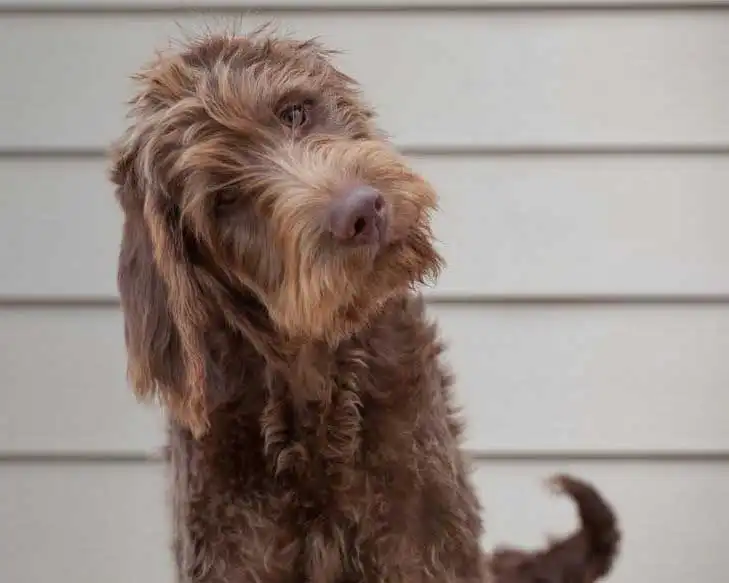
The English Coonoodle is a mixed breed created by crossing an English Coonhound, also known as the American English Coonhound, with a Poodle. These dogs are characterized by their loving and snuggly demeanor towards their families, but they can be cautious and protective when encountering strangers or unfamiliar animals. As an energetic breed with a natural hunting instinct, they are typically more suitable for households with older children. English Coonoodles usually live between 10 to 13 years, weigh around 40 to 65 pounds, and stand approximately 19 to 23 inches tall. While they often share physical traits with Poodles, they do not have the same shaggy coat and may display facial characteristics similar to those of hounds. Owners frequently mention that this hybrid thrives in environments with plenty of outdoor space, as they have a strong desire to run and play.
Breed Origin
The term "English Coonoodle" describes a breed characterized by its unique coloration, which it inherits from both the English or American English Coonhound and the Poodle. The English Coonhound has its origins in European scent hounds, which were selectively bred for hunting in France and England during the 17th and 18th centuries. When British colonists arrived in North America, they brought with them early versions of what would evolve into the American English Coonhound, initially known as English Foxhounds. By the 1700s, these dogs had transformed into a distinct breed called Virginia Hounds, with George Washington being a prominent supporter of hound breeding. Over time, the hounds from Virginia and Maryland branched out into three separate breeds, and those that migrated to other parts of the country became collectively recognized as coonhounds, celebrated for their hunting skills, particularly in tracking raccoons and foxes. After World War II, enthusiasts began to favor English Coonhounds with red-ticked coats. In 2010, the American Kennel Club officially acknowledged the American English Coonhound, adding "American" to highlight its development in the U.S. The Poodle, the other parent of the English Coonoodle, was originally bred in Germany and later refined in France, where it became quite popular, leading to a common misconception about its origins. The Poodle's distinctive grooming style was historically intended to protect its muscles and joints while retrieving waterfowl from cold waters. The hybrid known as the English Coonoodle is thought to have originated in the southern United States sometime after 1950. Despite being around for several decades, it has yet to achieve widespread recognition and is currently not acknowledged by the American Kennel Club.
Breed Appearance
English Coonoodles bear a resemblance to poodles but differ in their lack of shaggy fur, exhibiting some traits typical of hounds. These medium-sized dogs usually weigh between 40 and 65 pounds and stand approximately 19 to 23 inches tall. They have a physique that is relatively square, lanky, and athletic. Their coats can come in a variety of colors, such as red, white, blue, brown, black, and tan, often featuring mottled patterns in certain areas and ticking in others. The coloration of their coat may also be influenced by the Poodle parent, potentially introducing hues like silver, gray, cream, and apricot. Known for their gentle and intelligent demeanor, English Coonoodles have low-set floppy ears, a long snout ending in a black nose, and round brown eyes. They also possess a medium-length, tapered tail and rounded paws with sturdy pads, making them well-equipped for exploring wooded and damp terrains.


Care Routine
English Coonoodles experience moderate shedding, which necessitates a fair amount of grooming. Although they are not completely hypoallergenic, their Poodle heritage contributes to a coat that produces fewer allergens. To reduce shedding and avoid matting, it is advisable for owners to brush their English Coonoodle periodically and give them a bath each month. Coonoodles that take after their Poodle parent may require more frequent visits to a professional groomer to keep their coat in check. When bathing an English Coonoodle, it is crucial for owners to focus on cleaning their pet’s floppy ears thoroughly to prevent infections that can arise from wax or debris buildup. Like all dog breeds, regular dental care and nail trimming—ideally once or twice a month—are vital for their overall health.
Behavior & Temperament
The affectionate English Coonoodle can display either a serene personality or an energetic nature, depending on the situation. These dogs flourish in the company of humans and enjoy snuggling and relaxing with their owners. Despite their larger stature, they often curl up like tiny lapdogs. Renowned for their intelligence, they excel in obedience training, especially when it begins early and is consistently reinforced. However, they are also active dogs that require plenty of exercise and mental stimulation. Those who inherit characteristics from their Poodle ancestry may exhibit a more anxious disposition and can be quite vocal, mirroring the barking habits of both parent breeds. With a history rooted in hunting, English Coonoodles have a natural inclination to roam and explore, which means they need supervision when off-leash. Additionally, they may be wary of strangers or show aggression towards small pets and children, making it crucial to monitor their interactions with new people and animals.


Play & Exercise
The English Coonoodle, a blend of two lively breeds, has a considerable requirement for physical activity. To ensure their well-being and happiness, they should have at least one moderate to long walk each day, complemented by playtime with their owner or a trip to the dog park. They may also enjoy the occasional swim. Given their strong hunting instincts, it's essential to exercise caution, as even slight distractions can provoke this behavior. Thus, supervising English Coonoodles when they are off-leash is recommended. Engaging them in various sporting activities will help direct their instincts and support a robust exercise routine. Despite their energetic nature, these dogs can adapt well to smaller living environments, like apartments, provided they receive sufficient daily exercise.
Things to Know
Cups Per Day
3.0 Cups
Daily Activity
90 Minutes
Average Lifespan
12 Years
Origin
Unknown
Type
Crossbreeds
Size
Medium
Origin Country
United States
Brush Frequency
Weekly
Coat Texture
Wavy
Register
Your kids have been begging for a pet forever, and you've recently decided that it's time for your family to get a new addition -- a dog! While everyone is excited for the new arrival, you're wondering if you need to have a dog license. How much does it cost? Is it required? Where do you get one?
Member Clubs

PETINNATE
Other
Height & Weight
Weight
53 lbs (24 kg)Male: 55 lbs (25 kg) , Female: 50 lbs (23 kg)
Height
21 inches (53 sm)Male: 22 inches (56 sm) , Female: 20 inches (51 sm)
Eye Colors
Brown

Nose Colors
Black
Coat Colors
Brown
Cream
Gray
Silver

Blue
Black

White
Red