Eskijack
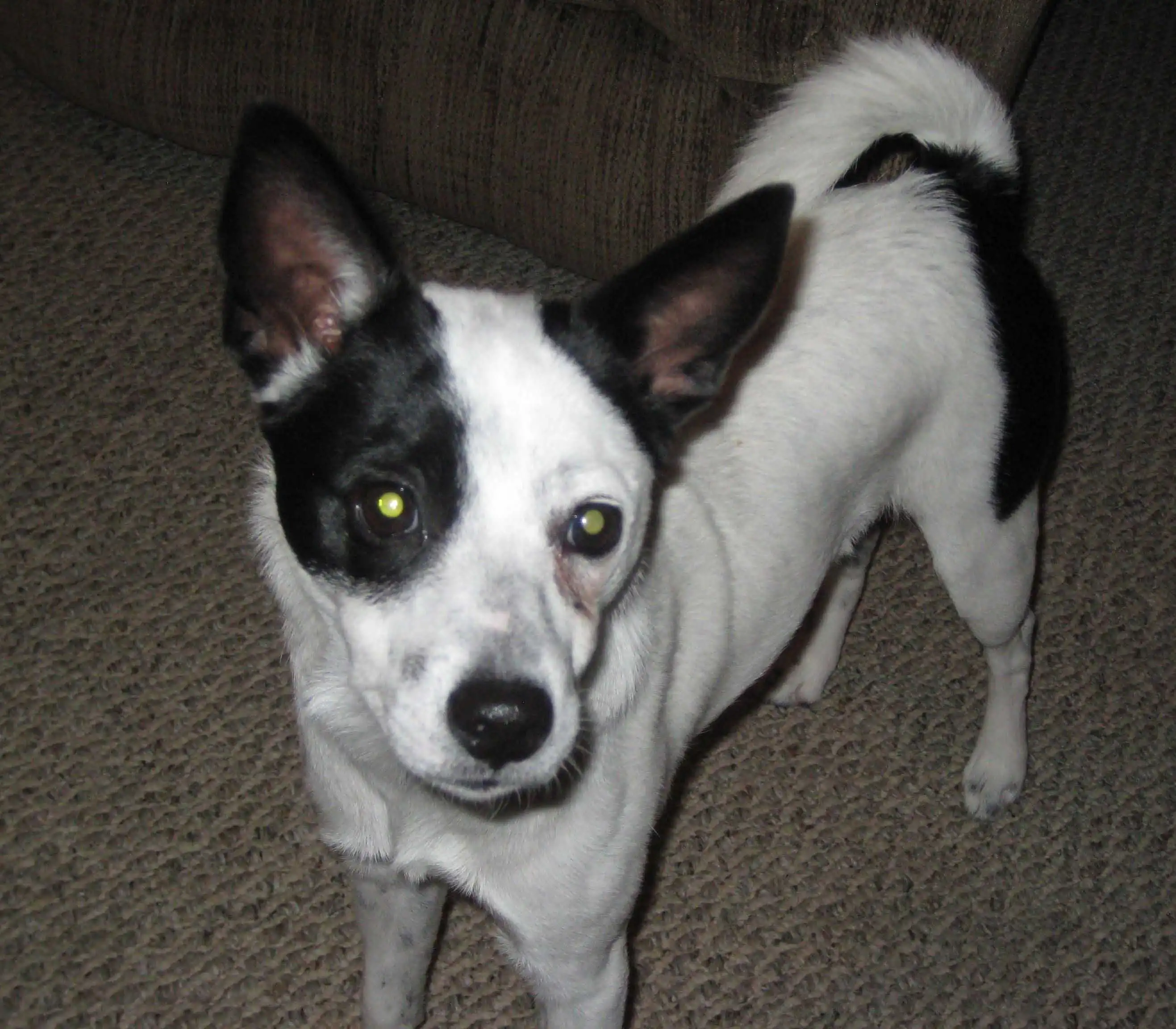
The Eskijack is a mixed breed resulting from the combination of the American Eskimo Dog and the Jack Russell Terrier. This small dog is available in various colors and is characterized by its high energy levels and a tendency to escape. The Jack Russell Terrier, one of its progenitors, is well-known for its cleverness and playful antics, while also being deeply devoted to its family. The Eskijack typically has a medium-length coat that can be either rough or smooth, reflecting the traits inherited from its Jack Russell lineage. This energetic breed flourishes in a home with a yard, where it can engage in play and exploration.
Breed Origin
Details regarding the Eskijack breed are somewhat scarce, but by exploring its parent breeds, we can better understand what to expect from this hybrid. The American Eskimo Dog, which is related to the German Spitz, was initially referred to as the American Spitz. However, during times of conflict, efforts were made to distance the breed from its German heritage, resulting in its current designation. Known for its beautiful white coat, this breed has a long history and has traditionally acted as a brave guardian of both homes and individuals. It also has a background in circus performances, where it was admired for its agility and elegance. The American Kennel Club officially recognized the breed in 1994. Conversely, the Jack Russell Terrier, originally bred for hunting, became favored by hunters due to its keen sense of smell and exceptional skill in flushing foxes from their burrows. This terrier worked in tandem with larger hounds, aiding them in their hunts. Hailing from England, the breed was introduced to the United States in the 1930s. The American Kennel Club granted it recognition in 1997, and in 2003, the breed's name was updated to Parson Russell Terrier in their records. Today, this energetic and sturdy dog is treasured as a loyal companion.
Breed Appearance
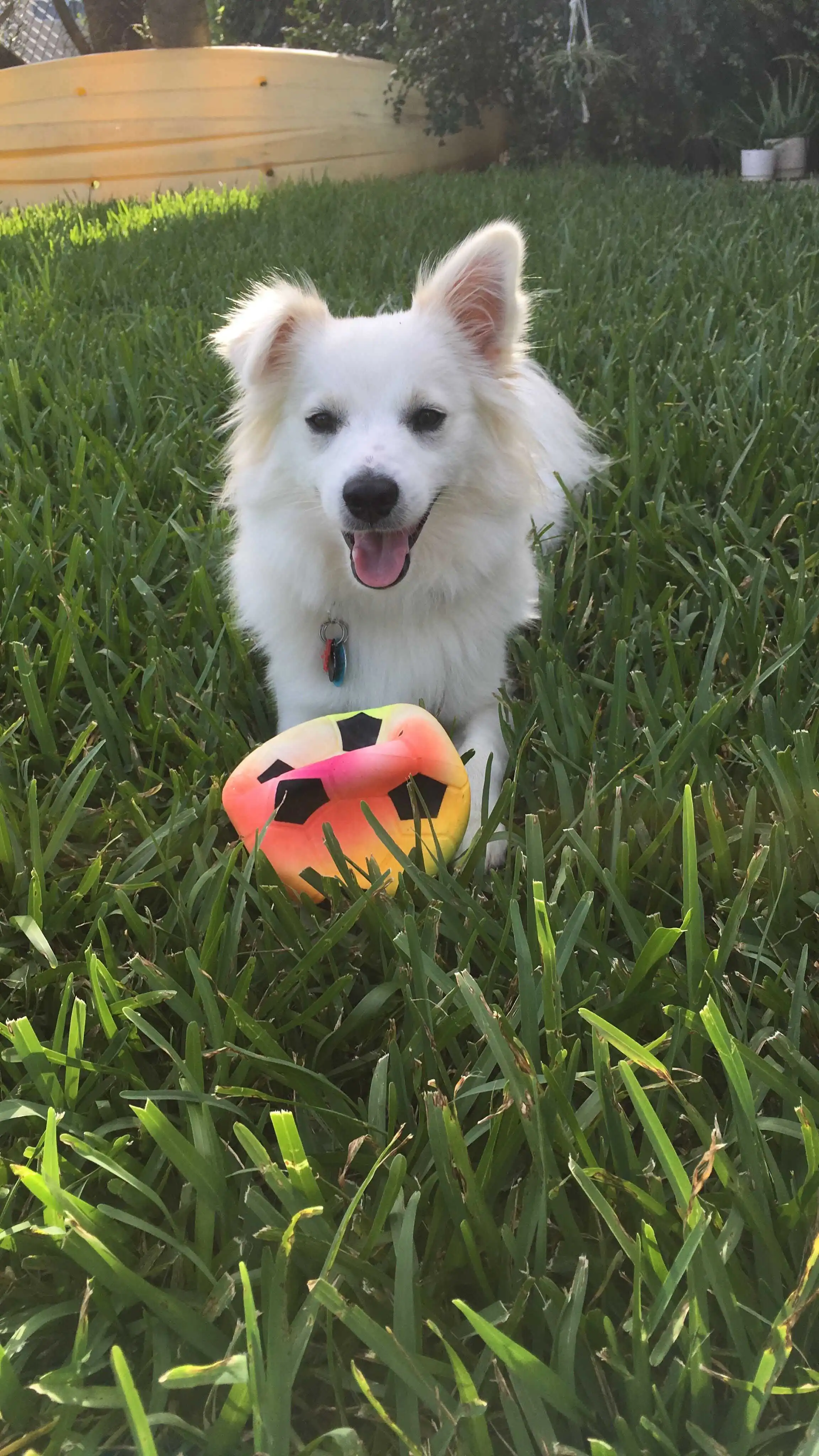
The Eskijack is a hybrid breed that merges characteristics from its parent breeds, the American Eskimo Dog and the Basenji. While detailed information about the Eskijack is scarce, we can glean valuable insights by looking at its progenitors. The American Eskimo Dog is known for its fluffy white fur, which consists of a double coat featuring a dense underlayer and a long, silky outer layer. This breed is also recognized for its prominent ruff around the neck, feathery legs, and bushy tail, typically seen in white, although cream variations are also present. Conversely, the Basenji, which is often mistaken for the Jack Russell Terrier, is a small to medium-sized dog primarily white with occasional brown or tan patches. Its coat tends to be coarse and wiry, though some may have a smoother texture. The physical traits of the Eskijack can vary widely based on the genetic influence of its parents. Generally, this hybrid is anticipated to sport a white or cream coat, with ears that could be either perky and folded like the Jack Russell or upright like the American Eskimo. The tail typically curls over the back, though this feature is not overly pronounced.

Care Routine
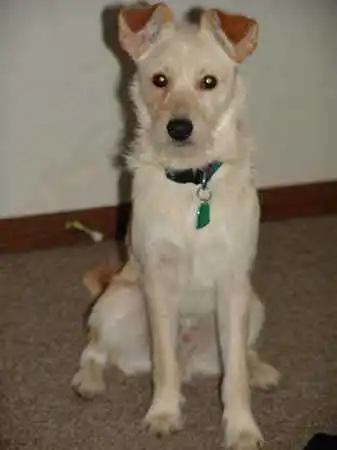
The Eskijack is a breed that has moderate grooming needs. To keep its coat clean and well-maintained, it is recommended to brush it weekly with a pin brush. If the fur has a wiry texture similar to that of a Jack Russell Terrier, occasional clipping may be required. For those with longer hair, extra care should be taken to address tangles, especially behind the ears and on the backs of the legs. Overall, the grooming requirements for an Eskijack are comparable to those of many other dog breeds; it’s essential to brush their teeth several times a week and to inspect their ears for any debris or wax during grooming sessions. Nail maintenance is also important; if nails are not trimmed regularly, they can begin to curl, causing discomfort while walking.
Behavior & Temperament
With the energetic nature of the Jack Russell Terrier, your hybrid will undoubtedly be a lively and spirited companion. If you’ve seen or read "My Dog Skip," you’ll understand the essence of having a dog that is both vibrant and full of life. The Jack Russell Terrier is celebrated for its sharp intelligence and inquisitive nature, forming strong attachments to its family. However, it’s essential to supervise your Eskijack in the yard, as their agility allows them to easily jump over many fences in search of adventure. Additionally, they may not coexist peacefully with cats, often perceiving them as potential prey. Training your hybrid can present some challenges, as both parent breeds are known for their stubbornness. Since neither breed enjoys solitude, it’s vital to give your Eskijack the attention and guidance it needs to grow into a well-adjusted dog.


Play & Exercise
Your Eskijack is a lively and energetic companion who thrives on being active. It's crucial to never leave him alone in a fenced yard, as he is known for his ability to climb fences in pursuit of adventure. He is friendly and curious, always eager to greet (or bark at) passersby. While he loves to play in the yard, it's vital to include at least two brisk walks in his daily schedule. You might want to involve him in activities like agility, flyball, earth dog competitions, or obedience trials, as he is both clever and spirited. Given his energetic disposition and need for mental and physical stimulation, he is not ideal for apartment living; he would be much happier in a rural or urban setting that provides ample opportunities for exploration and activity.
Things to Know
Cups Per Day
3.0 Cups
Daily Activity
90 Minutes
Average Lifespan
14 Years
Origin
Unknown
Type
Crossbreeds
Size
Medium
Origin Country
United States
Brush Frequency
Weekly
Coat Texture
Wavy
Register
Your kids have been begging for a pet forever, and you've recently decided that it's time for your family to get a new addition -- a dog! While everyone is excited for the new arrival, you're wondering if you need to have a dog license. How much does it cost? Is it required? Where do you get one?
Member Clubs

PETINNATE
Other
Height & Weight
Weight
28 lbs (13 kg)Male: 28 lbs (13 kg) , Female: 28 lbs (13 kg)
Height
12 inches (30 sm)Male: 12 inches (30 sm) , Female: 12 inches (30 sm)
Eye Colors
Brown

Coat Colors
Cream
White
Brown