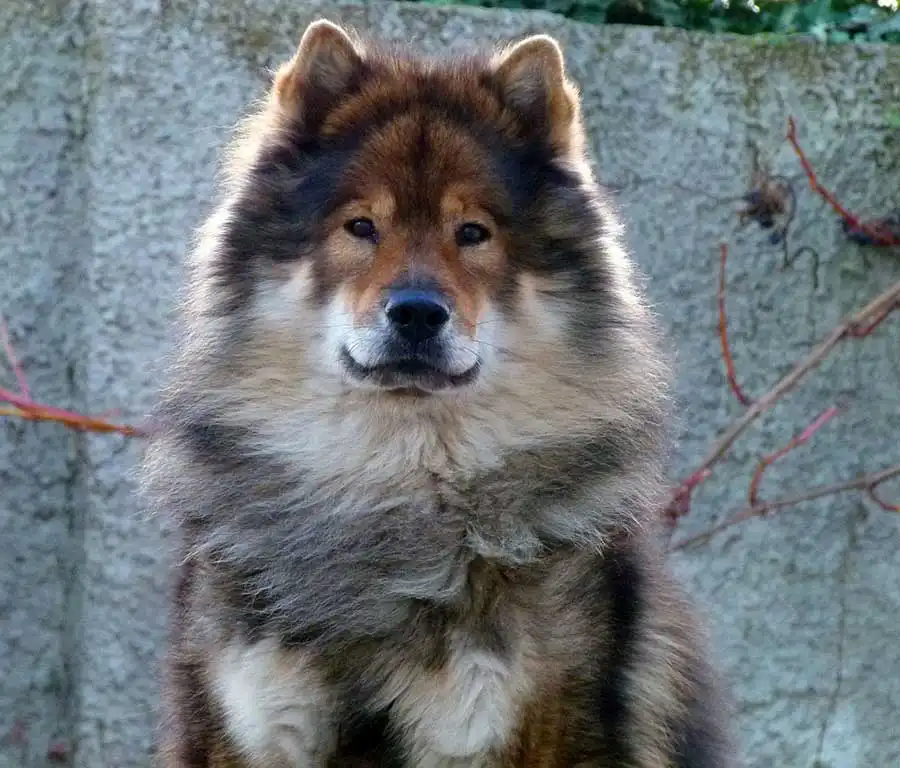
Eurasian
Eurasian, Eurasian Spitz, Eurasian Dog
Hailing from Germany, the Eurasier is a devoted family companion. While he may take a little time to warm up to new people, he is neither aggressive nor shy; he simply prefers to avoid being petted by strangers. This breed is a great fit for families with children, though it's wise to supervise interactions with very young kids who might pull at him. When raised with other pets from an early age, the Eurasier generally coexists harmoniously with them. Although he isn't prone to excessive barking, he will notify his family if unfamiliar individuals approach their home. The Eurasier does not adapt well to kennel settings or being left alone in a yard; as a social breed, he flourishes with daily interaction and needs to be integrated into family life.
Breed Origin
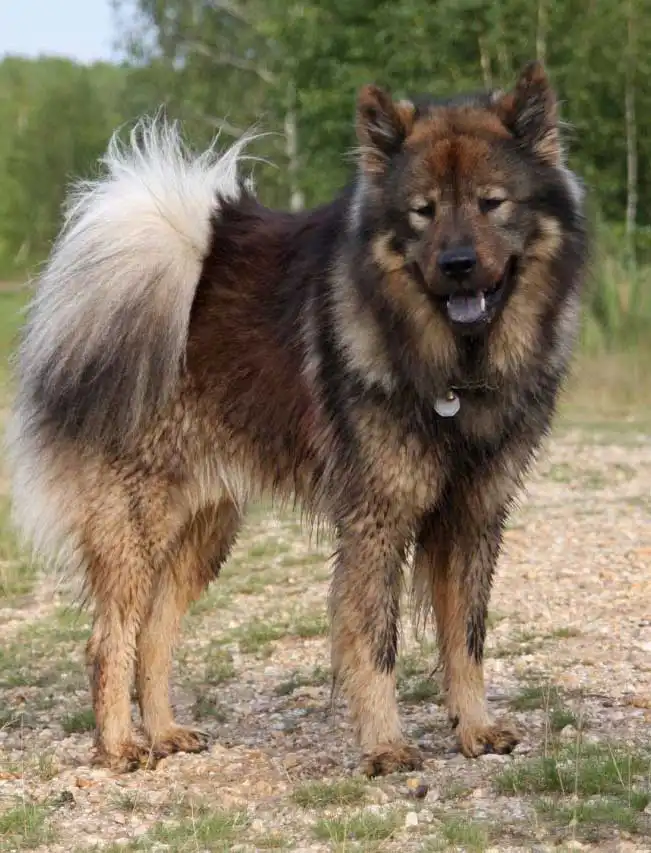
The Eurasier is a relatively new dog breed, developed in the 1950s and 1960s by German breeder Julius Wipfel. His aim was to create the ideal family pet—medium-sized and well-mannered. To realize this vision, Wipfel partnered with fellow breeders and started by crossing the Chow Chow with the Wolf Spitz, initially dubbing the hybrid the Wolf Chow. He later incorporated a male Samoyed into the breeding mix. In 1973, the Wolf Chow gained recognition from the Federation Cynologique Internationale and was renamed the Eurasier, highlighting its Asian and European heritage. Wipfel is often credited as the breed's originator. While the Eurasier is quite popular in Germany and Switzerland, its presence in the United States remains limited, with an estimated global population of about 8,500, the majority residing in Germany. As awareness of the breed increases in the UK and the US, more families are likely to recognize the benefits of having a Eurasier as a companion. The breed received official recognition from the United Kennel Club in 1996 under the name Eurasian, classifying it as a Northern breed, which enables participation in all UKC-sanctioned events. In the US, enthusiasts have been pushing for its acknowledgment by the American Kennel Club. In 2008, the AKC included the Eurasier in its Foundation Stock Service, marking a significant step toward formal recognition.
Breed Appearance
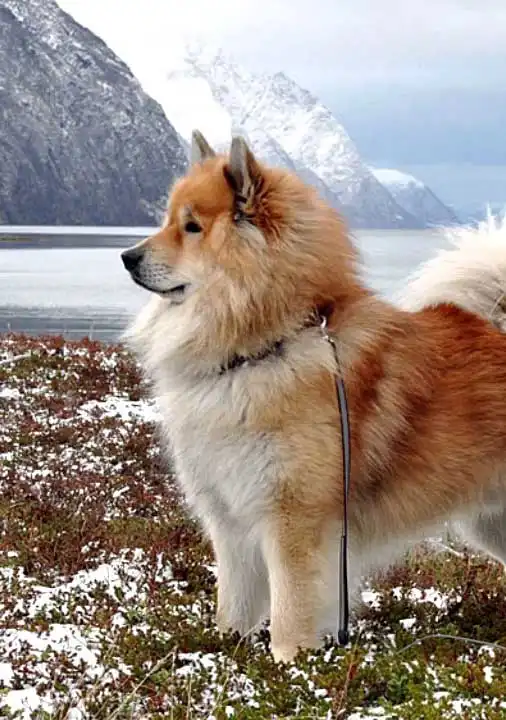
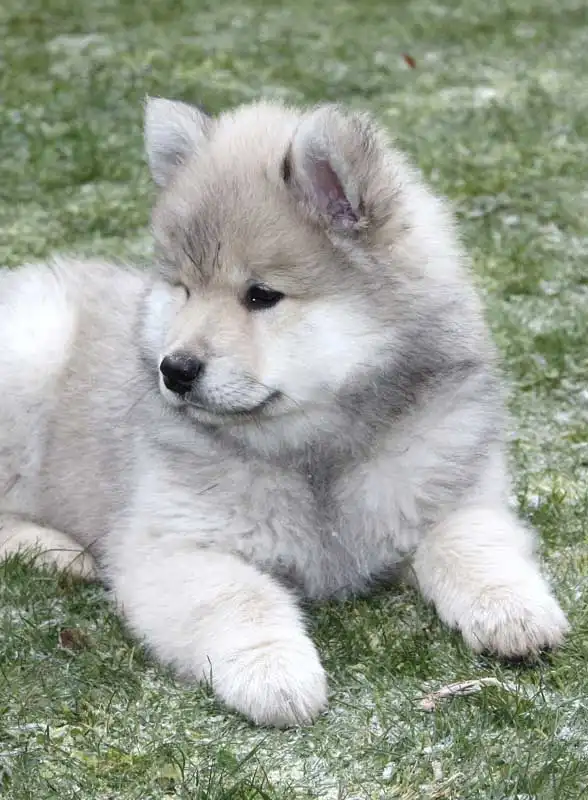
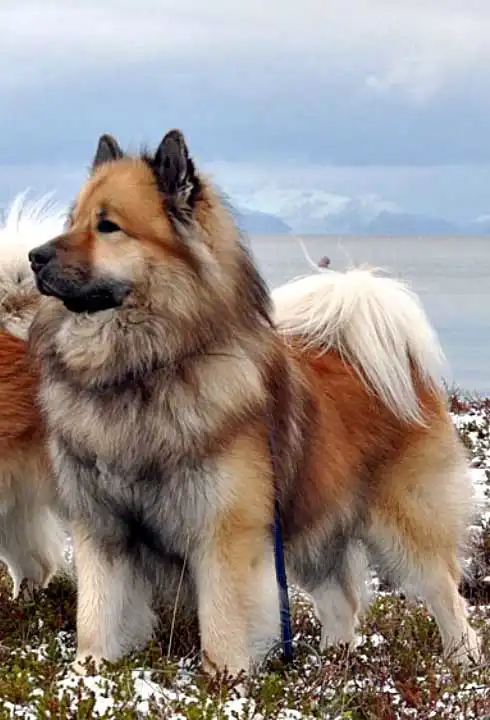
The Eurasier is a medium-sized dog known for its thick, double-layered coat that is of moderate length. The fur on its legs and tail is significantly longer than that on its body. This double coat features a soft, dense undercoat combined with a coarser, straight outer layer. The breed has striking dark, almond-shaped eyes that are a rich brown, along with a black nose, eye rims, and lips. Its ears stand erect at the top of its head, showing no signs of drooping. With a robust and vigilant presence, the Eurasier can seem intimidating to those who are not familiar with it. This breed comes in a variety of colors that evoke a wolf-like appearance, including solid black, wolf sable, black and tan, black and silver, and solid red, but it should not have any white markings on its body, face, or feet.
Care Routine
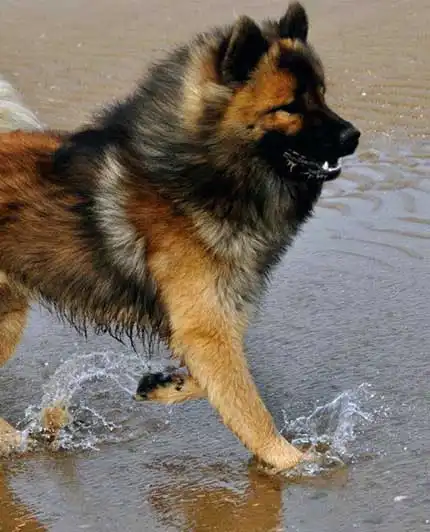
Many individuals believe that the Eurasier, known for its dense double coat, demands a lot of grooming. However, maintaining this breed's coat is quite straightforward. A weekly brushing, done once or twice, is enough to remove loose hair and dirt. The Eurasier undergoes significant shedding biannually, usually in the spring and fall. During these peak shedding times, more frequent brushing with a pin brush and metal comb is recommended. Bathing is not frequently necessary; it is best to bathe the Eurasier twice a year, ideally aligning with the start of the shedding seasons to aid in the process. Nail trimming should occur every two to three weeks as needed. Additionally, it’s important to check and clean the ears weekly and to implement a dental care routine that includes a comprehensive cleaning at least once a year.
Behavior & Temperament
The Eurasier is a calm and confident breed that flourishes in a family setting. This dog is not ideal for confinement in a kennel or for being left alone in the yard for long stretches, as such circumstances can lead to destructive behavior. The optimal environment for a Eurasier is one where a family member is present most of the time. Although he may be cautious around strangers and seem somewhat distant at first, it’s essential not to force interactions with unfamiliar people, as this can cause him considerable stress. Early socialization is vital for a Eurasier; it should include visits to new places and encounters with different individuals, but it doesn’t necessitate that strangers approach or pet him. He will determine when he feels ready for someone to touch him. Generally, this breed gets along well with older children, but it’s important to supervise interactions with toddlers who might pull at him or accidentally bump into him. Furthermore, he usually coexists well with other pets, especially if he has been raised with them.
Play & Exercise
Things to Know
Cups Per Day
0.0 Cups
Daily Activity
0 Minutes
Average Lifespan
12 Years
Origin
1950s
Type
Pure Breeds
Size
Medium
Origin Country
Germany
Brush Frequency
Weekly
Coat Texture
Straight
Register
Your kids have been begging for a pet forever, and you've recently decided that it's time for your family to get a new addition -- a dog! While everyone is excited for the new arrival, you're wondering if you need to have a dog license. How much does it cost? Is it required? Where do you get one?
Member Clubs

PETINNATE
Northern Breed

AKC
Foundation Stock Service

UKC
Northern Breed
Height & Weight
Weight
55 lbs (25 kg)Male: 61 lbs (28 kg) , Female: 49 lbs (22 kg)
Height
21 inches (53 sm)Male: 22 inches (56 sm) , Female: 21 inches (53 sm)
Eye Colors
Brown

Nose Colors
Black
Coat Colors
Black

Sable

Silver
Red