Foxker
The Foxker, a hybrid breed resulting from the combination of the Cocker Spaniel and the Toy Fox Terrier, is celebrated for its loyalty and friendly disposition towards families. This clever dog is typically well-mannered and barks infrequently, mainly to alert you to the presence of unfamiliar individuals. While the details of its origins are somewhat vague, it is generally accepted that the Foxker emerged in the 1990s. Weighing between 10 and 25 pounds and standing 10 to 14 inches tall, this medium-sized breed thrives on family companionship and enjoys exploring its surroundings. With a moderate level of energy, the Foxker needs regular exercise, and its soft, fluffy coat requires consistent grooming to maintain its health and appearance.
Breed Origin
The Foxker is thought to have emerged in the 1990s as a result of breeding between the Cocker Spaniel and the Toy Fox Terrier. The Toy Fox Terrier itself has a lineage that dates back to 16th-century England, where it was developed to draw foxes from their burrows during hunts. This breed originated from the Smooth Fox Terrier, which exhibited a wide range of sizes, typically between 7 and 20 pounds. Smaller dogs were particularly prized for their spirited participation in activities such as ratting, hunting, and protecting homes. The United Kennel Club acknowledged the first Smooth Fox Terrier in 1912. By the mid-1920s, efforts were underway to establish a separate classification for the smaller variants, culminating in the official recognition of the Toy Fox Terrier in 1936. However, it wasn't until 2003 that the American Kennel Club granted formal recognition to this breed. Conversely, the Cocker Spaniel belongs to the Spaniel family—a term that means "Spaniel dog"—with its likely origins in Spain. In the 1800s, Spaniels were divided into two categories: toy breeds and larger hunting dogs. The Cocker Spaniel was particularly adept at field hunting, especially for woodcock. It received official breed recognition in England in 1892. The English Cocker Spaniel arrived in the United States in the late 1870s and was included in the inaugural studbook of the National American Kennel Club, which later became the American Kennel Club. In 1881, the American Spaniel Club, the oldest breed club in the U.S., was founded. Over the years, breeders began to favor the smaller Cocker Spaniel for its physical traits. The breed surged in popularity in 1940 when a dog named Brucie won Best American Breed in Show at the Westminster Dog Show. In 1946, the AKC officially recognized the American and English Cocker Spaniels as distinct breeds.
Breed Appearance
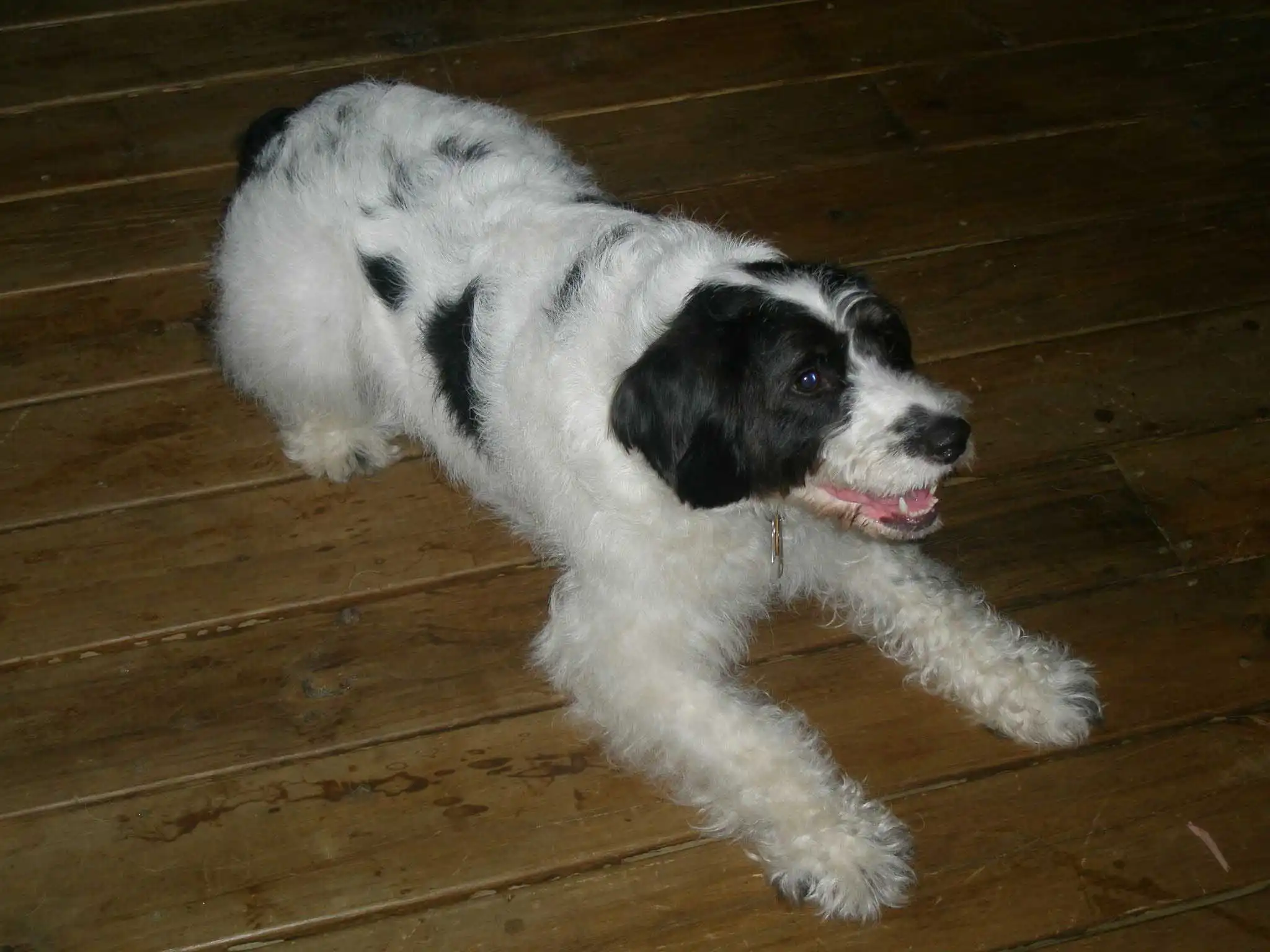
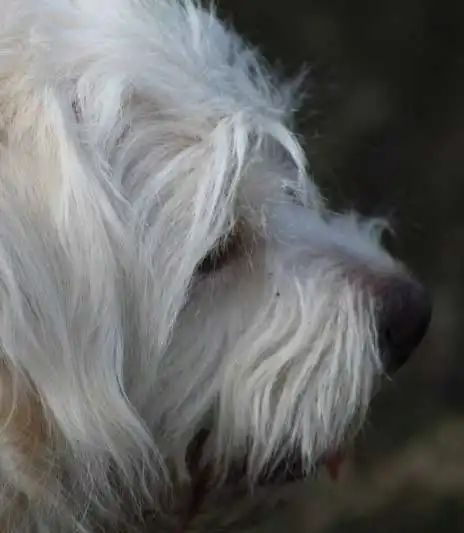
The Foxker is a medium-sized hybrid breed resulting from the crossbreeding of a Cocker Spaniel and a Toy Fox Terrier. This breed is characterized by its soft, wavy coat, which is particularly fuzzy on its legs, torso, ears, and tail. Its long, straight legs run parallel to its body, contributing to its lively and cheerful personality. The Foxker boasts large paws with dark black nails, and its fluffy ears have a wavy texture that enhances its appeal. The coat can come in a range of color combinations, such as brown, buff, black, parti, and white, often featuring patches of black or brown. Generally, this scruffy dog has a body that is longer in relation to its height. Its dark, beady eyes are keen and alert, paired with an upturned black nose, and it consistently displays a friendly and curious expression.


Care Routine
The Foxker is not recognized as a hypoallergenic breed and typically sheds a moderate amount throughout the year. To keep shedding under control, it’s recommended to brush your dog’s coat daily for about 10 to 15 minutes, using a firm bristle brush along with a greyhound comb to remove loose hair. Bathing should be done every 6 to 8 weeks. Given the medium length of their coat, consistent grooming is crucial. Scheduling professional grooming every 4 to 6 weeks can help maintain a tidy appearance and prevent matting. You may also need to trim the fur on the legs, feet, and ears. To prevent expensive dental problems, aim to brush your Foxker’s teeth several times a week. Additionally, check their nails a few times a month to ensure they are not overly long. If your Foxker has droopy ears, be proactive in checking for excess moisture or dirt, as this breed can be prone to ear infections due to limited airflow.
Behavior & Temperament
The Foxker is often described as a kind-hearted, medium-sized breed known for its gentle nature. This clever dog thrives on quality time with its family and delights in playing with children outdoors. Its loving personality is evident, as long as it isn’t provoked. Typically, the Foxker is sociable with other dogs, but to ensure harmonious interactions, early training and socialization are crucial. While he may initially be wary of strangers, consistent exposure to new people, coupled with appropriate training, can help him become more comfortable. Training a Foxker can be quite challenging, requiring both patience and dedication. To keep the process engaging, it’s vital to make training sessions fun and to incorporate breaks when he appears stressed. Always supervise training activities that involve children and other pets to guarantee the safety of your Foxker, as well as that of the children and other animals in your home.


Play & Exercise
The Foxker has a moderate energy level and needs at least 30 to 40 minutes of active exercise daily. Taking strolls around the neighborhood is a great way for him to meet new people and interact with other dogs, while trips to a dog park can also be advantageous. He can be a good running partner, as long as the runs are not too long and are planned for the cooler parts of the day. Moreover, he may have an interest in agility training, and it’s crucial to enroll him in obedience classes to support his development as a young dog. This breed is adaptable to different living environments; however, if he has access to a yard, it’s vital to keep a close watch on him, as he might attempt to dig his way out just for the thrill of it.
Things to Know
Cups Per Day
2.0 Cups
Daily Activity
40 Minutes
Average Lifespan
14 Years
Origin
1990s
Type
Crossbreeds
Size
Small
Origin Country
Unknown
Brush Frequency
Daily
Coat Texture
Wavy
Register
Your kids have been begging for a pet forever, and you've recently decided that it's time for your family to get a new addition -- a dog! While everyone is excited for the new arrival, you're wondering if you need to have a dog license. How much does it cost? Is it required? Where do you get one?
Member Clubs

PETINNATE
Other
Height & Weight
Weight
18 lbs (8 kg)Male: 18 lbs (8 kg) , Female: 18 lbs (8 kg)
Height
12 inches (30 sm)Male: 12 inches (30 sm) , Female: 12 inches (30 sm)
Eye Colors
Brown

Nose Colors
Black
Coat Colors
Brown
Black

White
Pied